
Leaf Blower
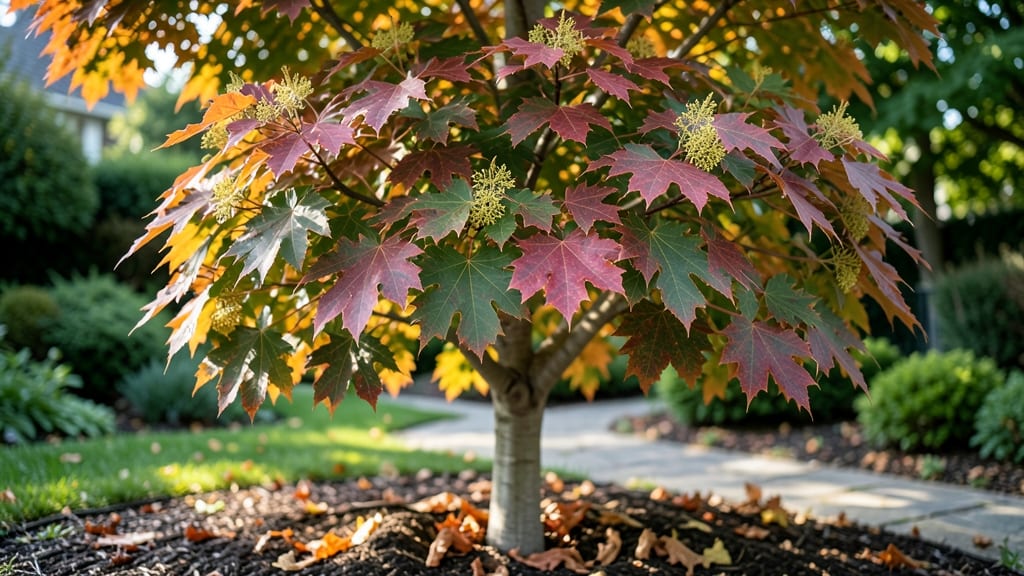
The Norway maple's fall leaf color transforms into stunning yellows, oranges, and deep reds—often more vivid than sugar maple—peaking between late October and mid-November, with cooler nights and bright days intensifying the display before leaves fall.
The Norway maple's autumn show steals the spotlight thanks to its unique leaf chemistry. Unlike sugar maples, which rely on classic reds, Norway maples produce anthocyanins—pigments that create those fiery hues. 🍂 This genetic trait makes their colors pop even in less-than-ideal conditions.
The key to maximizing this display? Plant them where they'll get full sun exposure and experience those crisp fall nights—perfect for backyard gardeners in zones 3-7.
What sets Norway maples apart isn't just their color intensity but their timing too. While sugar maples might fade earlier, Norway maples often hold onto their vibrant leaves longer, giving you more weeks to enjoy the spectacle.
This makes them a favorite for landscape designers who want reliable autumn interest without the maintenance of sugar maples.
💡 In This Article
- Why Norway Maple Leaves Outshine Sugar Maple in Autumn
- Best Norway Maple Varieties for Stunning Fall Foliage
Why Norway maple leaves outshine sugar maple in autumn
The Norway maple's autumn brilliance comes from its leaf chemistry—specifically, how it produces anthocyanins, the pigments responsible for fiery reds and oranges. Unlike sugar maples, which primarily develop red hues from carotenoids, Norway maples combine these with anthocyanins, creating a broader color spectrum.
This genetic trait makes their foliage appear more vibrant even when conditions aren't perfect. 🌟 The process begins when shorter daylight and cooler temperatures trigger chlorophyll breakdown, revealing hidden pigments.
Sunlight exposure plays a critical role in intensifying these colors. Norway maples need full sun (6+ hours daily) to maximize anthocyanin production, while sugar maples can tolerate partial shade. The ideal scenario? Cool nights (below 50°F) with sunny days—this temperature contrast accelerates pigment development.
In urban areas, Norway maples often outperform sugar maples because they adapt better to pollution and compacted soil, yet still deliver bold autumn colors.
What most gardeners don't realize is that Norway maples' leaves stay attached longer than sugar maples', sometimes lasting until mid-November or later. This extended display gives you more weeks to enjoy the show. The trade-off?
Their leaves are heavier and can damage lawns if not mulched properly. For those in zones 3-7, this makes them a reliable choice for reliable autumn interest without the maintenance demands of sugar maples.
One fascinating detail: Norway maples' leaves contain more sugar content than sugar maples, which may contribute to their brighter hues. This higher sugar level also makes them more attractive to wildlife, like deer and birds, during fall.
However, their invasive tendencies mean they should be planted with caution—especially near native ecosystems. 🌳
For comparison, sugar maples typically peak in bright reds and oranges but may fade faster in cloudy weather. Norway maples, with their anthocyanin boost, maintain their intensity even when conditions aren't ideal. This resilience makes them the star of autumn gardens where sugar maples might disappoint.
To maximize their color potential, plant Norway maples in well-drained soil with regular watering during dry spells. Avoid over-fertilizing—they thrive on lean soil. With proper care, their autumn display will consistently outshine sugar maples, making them a top choice for landscape designers seeking reliable seasonal interest.