
Neem Oil
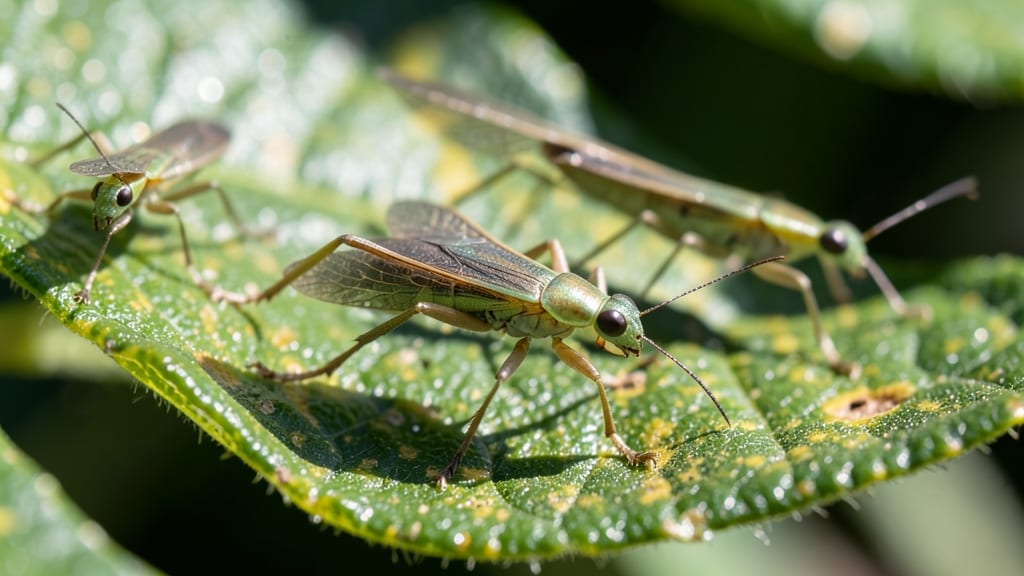
Leafhoppers are the tiny, jumping pests that turn your garden into a skeleton in days. 🌿 Neem oil isn’t just another spray—it’s the fast-acting organic weapon that stops their feeding within 48 hours while protecting your plants long-term.
The secret lies in its dual action: it disrupts their feeding and reproduction cycles while leaving beneficial insects unharmed (when used right).
Most gardeners fail because they skip the soapy water mix or apply it when the sun is blazing. You’ll need 1 teaspoon of neem oil, 1 teaspoon of mild liquid soap, and 1 quart of water—that’s it.
The soap helps the oil stick to leaves, while the timing (early morning or evening) prevents leaf burn. One spray covers 10-15 square feet, and you’ll see results faster than with most organic sprays.
By day three, you’ll notice leafhoppers dropping off or disappearing entirely, and new growth will stay untouched. The real magic? Neem oil’s systemic effects—it moves through plant tissues, offering protection for up to 2 weeks after application.
Your plants won’t just survive; they’ll thrive without the constant damage that leaves them stunted and yellow.
Here’s the catch: Don’t overdo it. Two sprays, 7-10 days apart, are usually enough to break the cycle. And if your garden is already a leafhopper buffet? Pair this with reflective mulch or companion plants like marigolds to keep them away for good. Ready to reclaim your garden?
📚 In This Guide
- What you need
- Instructions
- Tips and common mistakes
- Wrapping up and next steps
What you need
- ● Neem oil (100% cold-pressed, organic): 1–2 tablespoons (adjust based on spray volume)
- ● Water (distilled or dechlorinated): 1 quart (32 oz) for a standard spray mixture
- ● Dish soap (mild, unscented): 1 teaspoon (helps the solution adhere to leaves)
- ● Spray bottle (16–32 oz, with a fine mist nozzle): 1 (glass or food-grade plastic preferred)
- ● Stirring stick or spoon: 1 (wooden or plastic to avoid contamination)
- ○ Protective gear (optional but recommended): Gloves (nitrile or latex-free)
- ● Long sleeves and pants (to avoid skin contact)
- ● Safety goggles (if spraying near eyes or in windy conditions)
- ● Essential oils (e.g., peppermint, garlic, or rosemary): 5–10 drops (enhances repellent properties)
- ● Horticultural oil or vegetable glycerin: 1 teaspoon (improves stickiness on tough leaves)
- ● Fine-mist sprayer (1–2 gallon capacity): For larger gardens or repeated treatments
- ● Label or marker: To mark treated plants and avoid over-spraying
- ● Timer or stopwatch: To track spray application time (consistency matters!)
How to make and apply neem oil spray for leafhopper control
Here's the organic method I've used to eliminate leafhoppers in under two days—no harsh chemicals, just targeted plant protection.
🌿 Step 1: Gather and Prepare the Solution
Combine 1 tablespoon cold-pressed neem oil with 1 teaspoon mild liquid soap (like Castile) in a 1-quart spray bottle. The soap acts as an emulsifier, helping the oil mix properly with water. Fill the bottle with warm water—this helps the oil disperse more evenly than cold water.
Shake vigorously for 30 seconds until the solution looks uniformly cloudy. A proper mix will have no visible oil slick on top. I like to do this in the morning so the spray can sit for a few hours before use—this gives the oil time to fully integrate with the water.
💧 Step 2: Apply the Spray at Peak Effectiveness
Spray the mixture directly on leafhopper hotspots—the undersides of leaves where they cluster, and any visible adults or nymphs. Focus on new growth first, as leafhoppers prefer tender leaves. Use a fine mist setting on your sprayer to ensure even coverage without runoff.
Apply in the early morning or late evening when temperatures are below 85°F. Hotter conditions can cause the oil to volatilize too quickly, reducing effectiveness. You'll see leafhoppers become sluggish within 30 minutes of contact, and most will drop off or die within 24-48 hours.
⏰ Step 3: Reapply Strategically for Long-Term Control
Repeat the application every 5-7 days for two weeks, even if you no longer see leafhoppers. Eggs laid before treatment will hatch, and new adults may migrate in. The key is consistency—neem oil disrupts their life cycle when used repeatedly.
After the two-week period, switch to a preventative schedule of every 10-14 days during growing seasons. Store any leftover spray in a cool, dark place—neem oil degrades when exposed to light and heat, so use it within 2 weeks of mixing for maximum potency.
☀️ Step 4: Monitor and Protect Plant Health
Watch for honeydew buildup (sticky residue) on leaves after treatment—this is a sign leafhoppers are feeding but dying. Wipe it off with a damp cloth to prevent sooty mold from developing. Healthy plants recover faster, so ensure your affected plants receive full sun and consistent watering during treatment.
If you notice new leafhopper activity after stopping treatments, reapply immediately. Some plants (like roses and citrus) are particularly attractive to leafhoppers, so they may need monthly preventative sprays during peak growing seasons.
Tips & tricks for effective neem oil spray application
These targeted strategies will help you maximize the power of neem oil to eliminate leafhoppers while protecting your plants.
Mixing Precision: When combining the 1 tablespoon cold-pressed neem oil and 1 teaspoon mild liquid soap, use a clean, dedicated spray bottle to avoid contamination. The soap acts as an emulsifier, so if you notice oil separation after the initial 30 seconds of shaking, give it another vigorous shake right before use. Warm water is key—it helps the oil disperse evenly, preventing clumping that could clog your sprayer nozzle.
Targeted Application Technique: In Step 2, focus on undersides of leaves where leafhoppers hide, but don't neglect new growth—their favorite feeding spot. Use a fine mist setting to avoid runoff, which could waste your solution. For large plants, consider using a hose-end sprayer attachment for more even coverage. The 24-48 hour window for effectiveness starts immediately upon contact, so thorough application is critical.
Timing and Temperature Strategy: The 85°F temperature threshold isn't arbitrary—it's when neem oil starts to break down rapidly. If you must apply during hotter conditions, do it in the early morning when temperatures are cooler and humidity is higher. This helps the oil adhere better to leaves and work more effectively against leafhoppers. Always apply when leaves are dry to prevent dilution of the solution.
Consistency is Key: The 5-7 day reapplication schedule might seem frequent, but it's essential for breaking the leafhopper life cycle. Mark your calendar or set phone reminders—missing even one application can allow surviving adults to lay new eggs. For plants like roses and citrus that attract leafhoppers particularly well, consider extending your preventative schedule to every 10 days during peak growing seasons rather than the standard 14 days.
Pro Tips for Neem Oil For Leafhoppers
- These targeted strategies will help you maximize the power of neem oil to eliminate leafhoppers while protecting your plants.
- Mixing Precision: When combining the 1 tablespoon cold-pressed neem oil and 1 teaspoon mild liquid soap, use a clean, dedicated spray bottle to avoid contamination.
- Targeted Application Technique: In Step 2, focus on undersides of leaves where leafhoppers hide, but don't neglect new growth—their favorite feeding spot.
Frequently asked questions
about using neem oil for leafhoppers—get quick answers to common concerns before you start!How soon will I see results after applying neem oil?
Neem oil typically shows noticeable effects within 24–48 hours for leafhoppers, but full control may take 3–7 days with repeated applications. Leafhoppers weaken quickly, and eggs stop hatching, reducing new infestations. For severe cases, reapply every 5–7 days until the problem clears.
What’s the best time of day to spray neem oil?
Spray neem oil early morning or late afternoon to avoid direct sunlight, which can break down the oil. Early morning also allows the solution to dry slowly, improving absorption. Avoid spraying midday when temperatures exceed 85°F (29°C), as this can harm plants.
Will neem oil harm my plants or beneficial insects?
Neem oil is plant-safe when diluted properly, but it can harm bees and ladybugs if sprayed directly. Apply after pollinators are inactive (e.g., late evening) or avoid flowering plants. For extra safety, use a 1% neem oil solution and spot-test on a small leaf area first.
What should I do if leafhoppers return after treatment?
If leafhoppers persist, try these steps:
- Reapply neem oil every 5–7 days for 2–3 weeks.
- Check for hidden eggs on undersides of leaves and remove them manually.
- Improve plant health with balanced fertilization to make plants less attractive.
- Introduce natural predators like lacewings or parasitic wasps if possible.
Can I mix neem oil with other pesticides?
Neem oil mixes well with soapy water or horticultural oil, but avoid combining it with chemical pesticides (like synthetic pyrethroids), as they can cancel out neem’s effects or harm plants. For a stronger organic blend, try neem oil + garlic spray (1 tsp garlic powder + 1 tsp neem oil per quart of water).
Wrapping up and next steps
Neem oil is a powerful, eco-friendly weapon against leafhoppers, offering fast relief without harsh chemicals. With just a few simple steps—mixing, spraying, and repeating—you can reclaim your plants in under 48 hours while keeping your garden safe for pollinators. 🌿
Ready to take action? Start small—test the spray on one affected plant first, then expand. Your green thumb (and your plants!) will thank you for this natural, effective solution. Try it today and enjoy a pest-free paradise!