
Leaf Blower
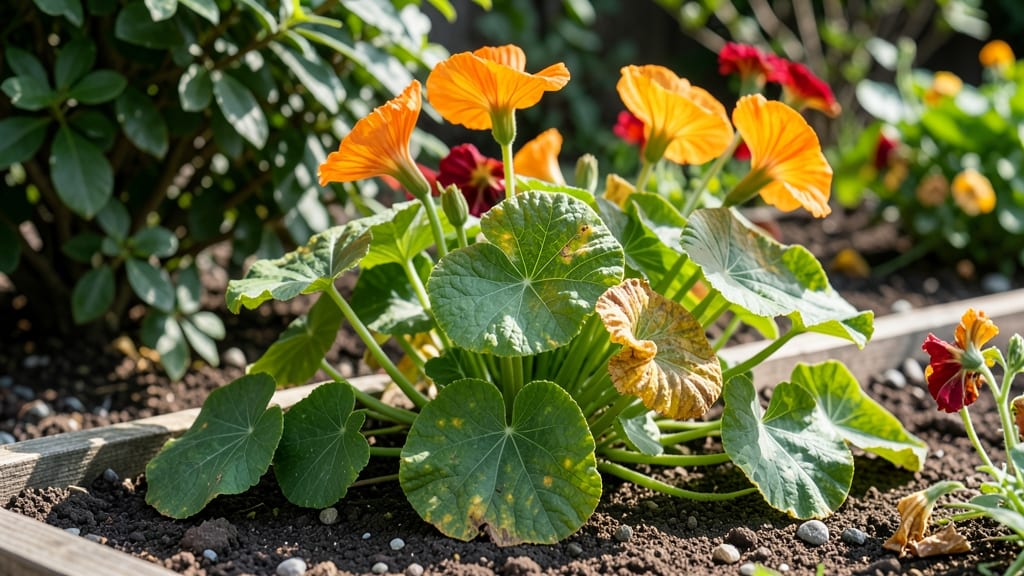
See those nasturtium leaf curl symptoms—leaves crumpled like paper?
That’s your signal to act—copper spray works fast when you catch it early. 🌿 I’ve seen this happen after aphids move in or when cucumber mosaic virus sneaks into the garden, and the fix isn’t complicated once you know what to look for.
The first step is checking for tiny green bugs (aphids) or yellowing patterns between veins—those are your clues. Aphids spread viruses fast, so knock them off with a strong spray of water first.
Then, mix up a copper fungicide spray (or use organic neem oil) to stop the curl from spreading to other plants. Within 7-10 days, you’ll see leaves unfurling again if you catch it early. The key is consistency: spray every 5-7 days until new growth looks healthy.
Prevent future outbreaks by keeping beneficial insects like ladybugs around—they eat aphids before they become a problem. Works for garden beds, containers, and even potted nasturtiums on patios. Let’s get those leaves flat and happy again!
Root Causes Of Leaf Distortion
When your nasturtium leaves start curling, it’s rarely a random act of nature—there’s usually a clear culprit behind the twist. Understanding these causes is the first step to restoring your plants to their vibrant, healthy state.
Let’s break down the most common reasons why your nasturtium leaves might be curling, so you can take targeted action.
One of the sneakiest causes of leaf curl in nasturtiums is a viral infection, particularly the Cucumber mosaic virus (CMV) or Tobacco mosaic virus (TMV). These viruses are spread by infected plant sap, contaminated tools, or even aphids feeding on your plants.
Once inside, they disrupt the plant’s cellular structure, causing leaves to curl, pucker, or develop mosaic patterns.
💡 How to spot it:
- Leaves may appear yellowed, distorted, or develop dark green patches.
- Stunted growth or reduced flowering can also occur.
- Symptoms often worsen in hot, dry conditions.
🔥 What to do:
- Remove infected plants immediately to prevent spread.
- Disinfect pruning shears with rubbing alcohol between cuts.
- Avoid overhead watering to reduce virus transmission via sap.
- Encourage strong, healthy growth with balanced fertilization to help plants resist infections.
Fungal diseases like downy mildew or powdery mildew can cause leaf curling as they disrupt the plant’s ability to photosynthesize properly. These fungi thrive in humid, poorly ventilated conditions, often appearing as fuzzy white or gray patches on the undersides of leaves. As the infection progresses, leaves may curl upward or downward in an attempt to limit damage.
🌡️ How to spot it:
- White, powdery coatings on leaves (powdery mildew).
- Yellow or brown spots that spread rapidly (downy mildew).
- Leaves may appear leathery or distorted.
✨ What to do:
- Improve airflow around plants by spacing them properly.
- Water at the base of the plant in the morning to allow foliage to dry quickly.
- Apply a copper-based fungicide (like copper sulfate or copper hydroxide) as a preventive or curative spray. Follow label instructions carefully.
- Remove and destroy severely infected leaves to stop the spread.
Nasturtiums are hardy, but they’re not immune to environmental stressors that can trigger leaf curling. Extreme heat, drought, or sudden temperature fluctuations can cause leaves to curl as a protective response. Additionally, waterlogging or poor drainage can suffocate roots, leading to nutrient deficiencies that manifest as curled or yellowed leaves.
🎯 How to spot it:
- Leaves curl upward in hot, dry conditions (a natural response to conserve moisture).
- Yellowing or wilting may accompany curling if roots are struggling.
- Soil may appear compacted or waterlogged.
💡 What to do:
- Provide consistent moisture during dry spells, but avoid overwatering.
- Ensure pots or garden beds have well-draining soil mixed with compost or perlite.
- Use mulch to retain soil moisture and regulate temperature.
- Move potted nasturtiums to a shadier spot during heatwaves if possible.
Leaf curl can also signal a nutrient imbalance, particularly a lack of magnesium, calcium, or potassium. Magnesium deficiency (often seen as interveinal chlorosis) can cause leaves to curl and develop yellow patches between veins. Similarly, calcium deficiency may lead to distorted, curled new growth, while potassium deficiency can result in weak, brittle leaves that curl at the edges.
📊 How to spot it:
- Magnesium deficiency: Yellowing between leaf veins, curling, and stunted growth.
- Calcium deficiency: New leaves curl upward, may develop brown tips.
- Potassium deficiency: Leaf edges curl downward, weak stems, and poor flowering.
🔥 What to do:
- Conduct a soil test to identify specific deficiencies.
- Apply a balanced fertilizer (like 10-10-10) or targeted amendments:
- For magnesium: Use Epsom salt (1 tablespoon per gallon of water, sprayed on leaves).
- For calcium: Add crushed eggshells or lime to the soil.
- For potassium: Use a potassium-rich fertilizer or compost tea.
- Avoid over-fertilizing, as excess salts can also stress plants.
Pests like aphids, spider mites, or whiteflies can cause leaf curling by feeding on sap or laying eggs on the undersides of leaves. Their saliva contains toxins that distort growth, and their physical presence can physically warp young leaves. Heavy infestations often lead to stunted plants and reduced vigor.
🔍 How to spot it:
- Sticky residue (honeydew) on leaves or nearby surfaces.
- Tiny webs (spider mites) or clusters of small insects on leaf undersides.
- Leaves may appear crinkled, rolled, or covered in tiny holes.
👨🍳 What to do:
- Blast pests off leaves with a strong stream of water.
- Use insecticidal soap or neem oil to suffocate pests (follow label rates).
- Introduce beneficial insects like ladybugs or lacewings to control populations naturally.
- Apply a copper spray (like copper fungicide) as a deterrent—copper is also effective against some soft-bodied pests.
Fixing Curled Nasturtium Leaves Fast
Now that you know what’s causing those pesky curled leaves, let’s roll up our sleeves and get your nasturtiums back to their vibrant, healthy selves! The good news? Most fixes are simple, cost-effective, and can be done in just a few steps.
Below, we’ll break down the most common causes and their practical, step-by-step solutions—plus some pro tips to keep your plants thriving long-term.
---
Symptoms: Yellowing leaves, curled edges, soggy soil, or roots sitting in water.
How to Fix It: 1. 🔥 Stop Watering Immediately Let the top 1–2 inches of soil dry out completely before watering again. Nasturtiums prefer consistent moisture but hate soggy roots.
2. 👨🍳 Improve Drainage - If your pots lack drainage holes, poke a few with a nail or drill (yes, really!). - Mix in perlite or coarse sand (1 part to 3 parts potting mix) to help excess water escape. - For garden beds, raise mounds slightly or plant on a slope to prevent pooling.
3. ⏰ Adjust Your Watering Routine - Water early in the morning (6–9 AM) so leaves dry by evening. - Use a moisture meter or the finger test (stick your finger 1 inch into the soil—if it’s damp, wait).
💡 Prevention Tip: Plant nasturtiums in well-draining soil (they love slightly sandy or loamy mixes) and avoid heavy clay. If you’re unsure, do a jar test: Fill a jar with soil and water, then shake. If the water stays cloudy after 2 hours, drainage is poor.
---
Symptoms: Sticky residue (honeydew), tiny bugs on undersides of leaves, or webbing.
How to Fix It: 1. 🔪 Blast Off Pests with Water - Spray leaves thoroughly with a strong stream of water (aphids hate this!). Do this every 2–3 days for a week.
2. 🌡️ Apply Neem Oil or Insecticidal Soap - Mix 1 tsp neem oil + 1 tsp mild dish soap + 1 quart water in a spray bottle. - Shake well and spray both sides of leaves (focus on curled areas). - Reapply every 5–7 days until pests vanish.
3. 🎯 Introduce Beneficial Insects - Ladybugs and lacewings devour aphids. Buy them online or attract them with dill or fennel nearby.
💡 Prevention Tip: - Inspect new plants before bringing them home (quarantine for a week if possible). - Encourage airflow by spacing plants 6–12 inches apart—pests thrive in crowded, humid spots.
---
Symptoms: Leaf edges curl upward, yellowing, or a coppery sheen on leaves (early sign of copper deficiency).
How to Fix It: 1. 📊 Boost Copper Levels Fast - Copper fungicide spray (like Bordeaux mixture or copper sulfate) is your best friend. - Mix 1 tsp copper sulfate per gallon of water and spray evenly on leaves (wear gloves—it’s toxic to pets if ingested). - Reapply every 7–10 days until new growth appears healthy.
2. 🌿 Improve Soil Health - Add compost or worm castings (rich in micronutrients) to the soil around plants. - If growing in pots, flush the soil with water monthly to prevent salt buildup (which worsens deficiencies).
3. ✨ Prevent Fungal Spread - Remove and destroy severely curled or diseased leaves (don’t compost them—burn or trash). - Water at the base (not overhead) to keep leaves dry.
💡 Prevention Tip: - Rotate crops if you grow nasturtiums yearly—don’t plant them in the same spot for 2+ years. - Avoid over-fertilizing with nitrogen (it masks deficiencies). Use a balanced 10-10-10 fertilizer lightly.
---
Symptoms: Leaves curl downward, crispy edges, or a bleached, sunken look.
How to Fix It: 1. 🌞 Provide Afternoon Shade - Move pots to a shadier spot (dappled light is ideal) or use a lightweight shade cloth (30–50% coverage). - If in the ground, plant near taller flowers (like sunflowers) for natural shade.
2. 💦 Increase Humidity (Temporarily) - Mist leaves daily in extreme heat (early morning or evening). - Place a tray of water near plants to boost humidity.
3. 🍎 Mulch to Retain Moisture - Spread 2–3 inches of mulch (straw or shredded leaves) around the base to keep roots cool.
💡 Prevention Tip: - Hardening off seedlings gradually if moving them from indoors to outdoor heat. - Avoid transplanting during the hottest part of the day (stick to early morning or late evening).
--- - 🔄 Prune Regularly: Trim back curled or damaged leaves to encourage new growth. - 🌱 Choose Resistant Varieties: Try ‘Alaska’ or ‘Empress of India’ nasturtiums—they’re tougher against pests and stress. - 🌡️ Monitor Weather: Nasturtiums hate frost—bring potted plants indoors if temps drop below 40°F (4°C).
With these fixes, your nasturtiums should bounce back in 1–2 weeks! Keep an eye on them, adjust as needed, and soon you’ll have lush, vibrant blooms instead of curled disappointment. 🌸
Frequently asked questions about nasturtium leaf curl
Why do my nasturtium leaves curl upward instead of downward?
Upward curling often signals underwatering or heat stress. Nasturtiums naturally curl leaves upward to conserve moisture in dry conditions. Check soil moisture—if the top 1 inch is dry, water deeply. For potted plants, move to a shadier spot during heatwaves and mulch to retain moisture.
Can copper spray help if my nasturtiums have a viral infection like CMV?
No, copper spray won't cure viral infections like Cucumber mosaic virus (CMV). Viruses have no chemical cure—remove infected plants immediately to prevent spread. Copper helps with fungal diseases or bacterial issues, but for viruses, focus on prevention: keep aphids (which spread viruses) under control with neem oil and maintain strong plant health.
How often should I apply copper fungicide for leaf curl?
Apply copper fungicide every 7-10 days until new growth appears healthy. Mix 1 teaspoon copper sulfate per gallon of water and spray thoroughly on both leaf surfaces. Always wear gloves—copper can irritate skin. Stop applications if rain is forecast within 24 hours to avoid washing it off.
Will pruning curled leaves help my nasturtium recover faster?
Yes! Prune severely curled or diseased leaves to redirect the plant's energy to new growth. Use clean, sharp scissors and remove leaves at the base. For mild curling, you can leave them—they'll often recover as the underlying issue (like pests or fungus) is addressed. Just avoid composting infected plant material.
Can I still use nasturtium leaves for culinary purposes if they're curled?
Only if the curling is from environmental stress (like heat or drought) and not from pesticides, fungi, or viruses. Taste a small piece first—if it's bitter or has an off flavor, discard it. For curled leaves from pests, wash thoroughly with water and mild soap before using. Young, tender leaves are safest for eating when healthy.