
Planting
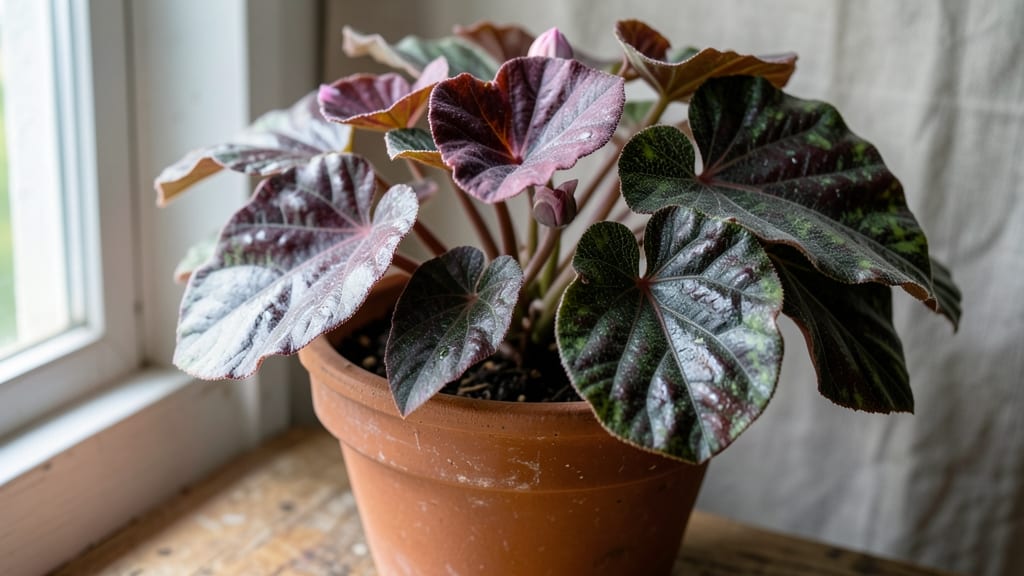
A modified leaf of a plant evolves into structures like spines, tendrils, or storage leaves to survive environmental challenges, fundamentally changing how the plant allocates resources and grows.
These adaptations aren't just superficial—they represent a plant's survival strategy.
For example, cacti convert leaves into spines to conserve water, while peas develop tendrils to climb toward sunlight. 🌱 In your garden, recognizing these modifications helps you tailor care: succulents with modified leaves need less water, while climbing plants may require trellises to support their growth habits.
Understanding these changes lets you optimize soil, sunlight, and pruning for healthier plants and better harvests.
What's fascinating is how these modifications often come at a metabolic cost. A plant diverting energy to grow spines, for instance, may produce fewer flowers or fruits. This trade-off explains why some garden varieties with heavily modified leaves yield less but thrive in harsh conditions.
The key is matching the plant's natural adaptations to your growing environment.
💡 In This Article
- How Plant Leaves Modify Function for Survival
- Garden Strategies for Plants with Modified Leaves
How plant leaves modify function for survival
When a plant's leaves transform into spines, tendrils, or storage structures, it's not just a visual change—it's a metabolic overhaul. These modifications occur through a process called heterophylly, where the plant's genetic blueprint directs leaf development based on environmental cues.
For example, a cactus converts its leaves into spines to reduce water loss, a process driven by hormonal shifts that suppress normal leaf growth while promoting thorn development.
This adaptation forces the plant to prioritize water conservation over photosynthesis, which is why cacti often have shallow root systems—they rely on storing water in their stems instead.
The physiological cost is significant. A plant diverting energy to spines or tendrils allocates fewer resources to photosynthesis, which can reduce growth rates. Take the Venus flytrap: its modified leaves (the traps) require energy to snap shut, leaving less for producing new leaves.
This trade-off explains why some plants with heavily modified leaves grow slower but survive extreme conditions. 🌵 The key is understanding that these adaptations are evolutionary compromises—what the plant gains in survival often comes at the expense of other functions.
Tendrils, like those on peas or cucumbers, are another fascinating modification. These coiled structures grow in response to touch (thigmomorphogenesis) and help the plant climb toward sunlight, increasing photosynthetic efficiency. The plant achieves this by converting leaf tissue into elongated, flexible stems with specialized cells that detect contact.
This modification shifts the plant's energy from spreading wide to reaching upward, a strategy that maximizes light exposure in shaded environments.
Storage leaves, found in plants like onions or garlic, are essentially modified leaves that store nutrients. These structures swell with sugars, starches, and water, creating bulbs or corms. The plant achieves this by redirecting carbohydrates from photosynthesis into these storage organs, often at the expense of above-ground growth.
This adaptation allows the plant to survive drought or cold by tapping into its reserves later. 🌱 In gardens, this means these plants may look dormant but are actually storing energy for future growth.
These modifications aren't random—they're driven by phytohormones like auxin and ethylene. Auxin, for instance, promotes cell elongation in tendrils, while ethylene triggers spine formation in cacti. The plant's response to these hormones depends on its genetic makeup and environmental stressors, like drought or poor soil.
This is why some garden plants, like succulents, develop thicker, waxy leaves in dry conditions—a modification that reduces water loss without fully abandoning photosynthesis.
Understanding these processes helps gardeners predict plant behavior. For example, a cactus growing spines may indicate it's conserving water, while a pea plant producing tendrils signals it's searching for support.
Recognizing these cues allows you to adjust care—like providing trellises for climbing plants or well-draining soil for succulents—to support the plant's natural adaptations and improve its health.