
Size
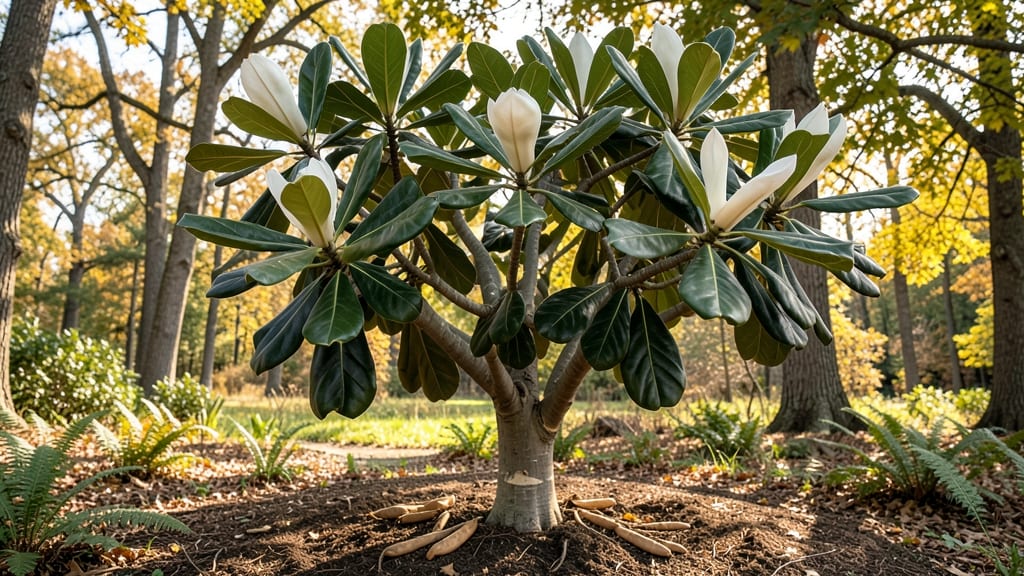
Planting a magnolia macrophylla—the bigleaf magnolia—means welcoming a living monument to your yard, its glossy, football-sized leaves creating instant shade and privacy that no fence ever could. 🌿 The key to getting one of these giants off to the right start lies in the soil: rich, acidic, and well-draining is non-negotiable, or you'll spend years playing catch-up with root rot or stunted growth.
These trees thrive in the deep South (zones 5-9) where humidity wraps around them like a blanket, but they'll tolerate cooler climates if given extra winter protection. Watering young trees deeply once a week during their first year is critical—they hate soggy feet but won't forgive drought either.
Pruning is minimal, just removing dead wood in late winter, but the real magic happens when you let nature take its course.
What you end up with is a 60-foot-tall shade maker that outgrows most problems—deer avoid the tough leaves, and few pests dare touch it. The fragrance alone, when those creamy-white blooms open in spring, makes the effort worthwhile.
By year 10, your neighbors will be asking how you grew something so majestic.
The secret weapon? Transplanting bare-root saplings in early spring gives them the best chance to establish before summer heat sets in. Mulch heavily to preserve moisture, and watch as those first broad leaves unfurl like nature's own privacy screen.
📚 In This Guide
- What you need
- Instructions
- Tips and common mistakes
- Wrapping up and next steps
What you need
- ● Bigleaf Magnolia Tree: 1 nursery-grown Magnolia macrophylla (3–6 ft tall, containerized or bare-root). Choose a healthy specimen with vibrant green, leathery leaves.
- ● Planting Hole: Dig a hole 2–3 times wider and just as deep as the root ball. Loosen the sides to encourage root spread.
- ● Native Soil or Amended Mix: A blend of 60% native soil + 30% compost + 10% perlite/sand for drainage. Avoid heavy clay.
- ● Mulch: 2–3 inches of organic mulch (pine bark, shredded leaves, or wood chips) to retain moisture and regulate soil temp.
- ● Watering Can or Hose: With a gentle spray nozzle for post-planting hydration.
- ● Gloves & Knee Pads: For comfort while digging and handling soil.
- ○ Staking (Optional but Recommended for Young Trees): 2–3 wooden stakes (1.5–2 ft tall) + soft tree ties to secure the tree in windy areas.
- ● Slow-Release Fertilizer: A balanced 10-10-10 or acid-loving plant fertilizer (apply lightly in early spring).
- ● Soil pH Test Kit: To confirm your soil’s acidity (ideal pH: 5.0–6.0). Adjust with sulfur if needed.
- ● Tree Guard or Protective Barrier: A metal or plastic collar to deter rodents or pets from chewing the bark.
- ● Drip Irrigation System: For automated watering during dry spells (especially in the first year).
- ● Pruning Shears: Bypass pruners (sharp, clean) for shaping or removing dead branches (avoid heavy pruning in the first 3 years!).
Step-by-step guide to planting and caring for bigleaf magnolia
Here’s my go-to method for planting and nurturing these shade-loving giants into a stunning privacy screen.
🌱 Step 1: Choose the Perfect Planting Spot
Bigleaf magnolias thrive in partial to full shade, making them ideal for understory planting or dense privacy screens. Look for a location with at least 4-6 hours of dappled sunlight daily—direct afternoon sun can scorch tender new leaves. I always test the spot by observing how sunlight moves through the area at different times of day.
These trees grow 40-60 feet tall with a 20-30 foot spread, so give them plenty of room. Avoid planting near sidewalks or driveways where roots could lift pavement over time. The soil should be well-draining but moisture-retentive, so slightly acidic (pH 5.0-6.5) is ideal. Amend heavy clay soil with 2-3 inches of organic matter like compost or leaf mold before planting.
🪴 Step 2: Dig and Prepare the Planting Hole
Dig a hole twice as wide as the root ball but no deeper—planting too deep suffocates roots and causes stress. I use a shovel to loosen the sides of the hole so roots can spread easily into native soil. Mix the removed soil with a 50/50 blend of native soil and compost to improve fertility and drainage.
Gently remove the magnolia from its container, tapping the sides to encourage roots to loosen. If the root ball is tightly bound, score the edges with a knife to prevent girdling as roots grow. Place the tree in the hole so the top of the root ball sits level with the surrounding soil—never mound soil against the trunk, which can rot bark over time.
💧 Step 3: Plant and Water Thoroughly
Backfill the hole with your amended soil mixture, pressing gently to remove air pockets but avoiding compaction. Water deeply to settle the soil around roots, then add a 2-3 inch layer of mulch (like pine bark or wood chips) over the root zone—keep mulch 6 inches away from the trunk to prevent rot. I always water again after mulching to help it settle.
Young magnolias need consistent moisture for the first 2-3 years, so water 1-2 times per week (more in hot, dry spells) until the tree establishes. You’ll know it’s getting enough water when the top 2-3 inches of soil stay slightly damp—never soggy. Overwatering is a common mistake that leads to root rot, so always check soil moisture before watering.
☀️ Step 4: Prune and Protect New Growth
Bigleaf magnolias rarely need pruning, but you can remove any dead, damaged, or crossing branches in early spring before buds swell. I avoid heavy pruning—these trees bloom on old wood, and aggressive cuts reduce flowering. If you must prune, sterilize tools with rubbing alcohol to prevent disease spread.
Young trees benefit from light protection during their first winter. Wrap the trunk with tree guard or burlap to shield against late-season frost cracks or rodent damage. In urban areas, also consider installing a temporary wire cage to deter deer or rabbits from nibbling new shoots. Once established, magnolias are tough and handle winter well.
⏰ Step 5: Monitor and Maintain for Long-Term Health
Fertilize lightly in early spring with a balanced, slow-release fertilizer (10-10-10 or similar) to support new growth. I skip heavy feeding—magnolias grow slowly and prefer nutrient-rich but not overly fertile soil. Over-fertilizing leads to weak, disease-prone wood.
Watch for scale insects or spider mites, which occasionally target magnolias. Treat infestations early with horticultural oil or insecticidal soap—these trees are sensitive to harsh chemicals. Also, prune out any suckers that sprout at the base, as they divert energy from the main trunk. With proper care, your bigleaf magnolia will reward you with fragrant blooms and lush shade for decades.
Tips & tricks for perfect bigleaf magnolia privacy screens
Confession: I planted my first magnolia without testing the sunlight pattern—and ended up with scorched leaves. Here's what I learned to ensure your shade champion thrives.
Lighting Strategy: That 4-6 hours of dappled sunlight is non-negotiable for bigleaf magnolias. I recommend testing your spot by placing a white sheet of paper in different locations for a full day. Mark where sunlight hits at different times—this helps you visualize how the tree will grow. Morning sun is ideal, while harsh afternoon rays can damage tender leaves.
Soil Preparation Secret: For heavy clay soil (which magnolias often struggle with), I take it a step further than just adding compost. I mix in 1 part peat moss to that 50/50 blend to improve drainage while retaining moisture. The key is creating that perfect balance between well-draining and moisture-retentive—magnolias hate soggy roots but need consistent hydration.
Planting Depth Caution: I can't stress this enough: planting too deep suffocates roots. Use a level to ensure the top of the root ball sits exactly at ground level. Pro tip: mark the root ball's top with a pencil before removing it from the container—this gives you a reference point when placing it in the hole. The root flare (where roots spread out) should be visible above the soil line.
Winter Protection Hack: For young trees in colder climates, I've had great success with a DIY frost shield. After wrapping the trunk, I place a clear plastic dome (like a large salad bowl) over the top, secured with stakes. This creates a microclimate that protects against late frosts while still allowing sunlight. Remove it once buds appear in spring—just don't let it touch the leaves.
Pro Tips for Magnolia Macrophylla Bigleaf Magnolia
- Confession: I planted my first magnolia without testing the sunlight pattern—and ended up with scorched leaves.
- Lighting Strategy: That 4-6 hours of dappled sunlight is non-negotiable for bigleaf magnolias.
- Soil Preparation Secret: For heavy clay soil (which magnolias often struggle with), I take it a step further than just adding compost.
Frequently asked questions
Got questions about the Magnolia macrophylla (Bigleaf Magnolia)?
You’re not alone—this towering beauty is stunning but comes with unique care needs. Here are answers to the most common queries to help you grow a thriving privacy screen!
How fast does Magnolia macrophylla grow, and when can I expect full shade?
The Bigleaf Magnolia grows 1–2 feet per year under ideal conditions, reaching maturity (20–40 feet tall) in 10–15 years. For dense shade, wait 5–7 years—its broad leaves expand quickly once established. Patience pays off with a lush, evergreen-like canopy!
Does Magnolia macrophylla need full sun, or can it handle partial shade?
While it tolerates partial shade, this magnolia thrives in full sun (6+ hours/day) for optimal growth and flower production. In shadier spots, growth slows, and blooms may be sparse. If planting near tall structures, ensure morning sun exposure to balance its needs.
Is Magnolia macrophylla cold-hardy? What’s the best climate for it?
This magnolia prefers USDA Zones 5–9 but struggles in extreme cold (<10°F) or hot, dry climates. Protect young trees with mulch (3–4 inches) and water deeply in winter. In Zone 4, grow it in containers or sheltered microclimates for overwintering.
Can I prune Magnolia macrophylla for a denser privacy screen?
Prune only in late winter/early spring (before buds swell) to avoid stress. Remove dead or crossing branches and thin out the center to encourage airflow. Avoid heavy pruning—this magnolia’s natural shape is its best privacy feature! Use sterilized tools to prevent disease.
What pests or diseases should I watch for with Magnolia macrophylla?
Common issues include:
- Scale insects: Wipe with soapy water or use horticultural oil.
- Powdery mildew: Improve airflow and fungicide if needed.
- Root rot: Avoid overwatering; ensure well-draining soil.
Wrapping up and next steps
The Magnolia macrophylla—or Bigleaf Magnolia—stands as a majestic choice for privacy screens, blending unmatched size, lush foliage, and timeless beauty into one towering shade champion.
Whether you're drawn to its massive leaves, fragrant blooms, or low-maintenance nature, this tree promises both functional and aesthetic rewards for years to come. 🌿
Ready to transform your outdoor space? Start planning your planting spot today! Research local nurseries, measure your space, and take the first step toward cultivating your own privacy paradise.