
Pests and Diseases
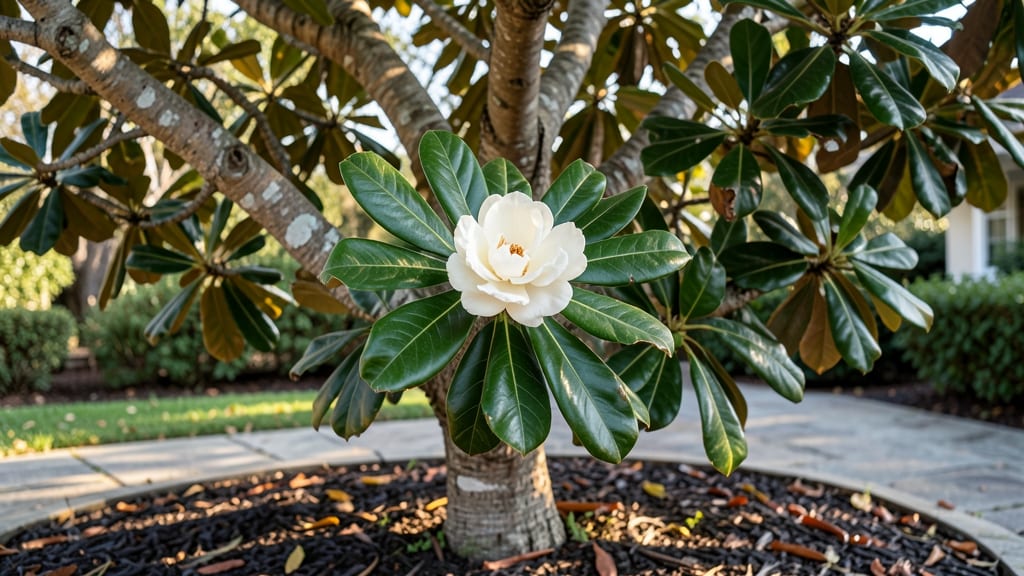
Growing a magnolia big leaf in your yard means year-round drama with almost no effort. 🌿 These giants—with their glossy, elephant-ear leaves and intoxicating spring blooms—thrive where other plants struggle, and they’ll outlive you with proper placement.
The key isn’t fancy tricks; it’s matching their slow, steady nature to your climate and soil. They demand rich, acidic soil (think pine forests) and morning sun with afternoon shade—perfect for hotter zones where other magnolias wilt.
Plant in spring or fall, water deeply but infrequently (their roots hate soggy feet), and forget about pruning unless you’re shaping young trees. The real magic? Their fragrant, creamy-white flowers in late spring, followed by bold foliage that turns rusty-red in fall.
Once established, these trees need almost no maintenance—just occasional mulch to keep roots cool. They resist pests better than most magnolias, though scale insects might test your patience (we’ll cover that later). The payoff? A shade-providing, conversation-starting centerpiece that grows for decades with minimal fuss.
For beginners, start with a 1-2 gallon container-grown tree—they transplant better than bare-root stock. Older trees? Give them space to sprawl (they can reach 60+ feet wide). Let’s get yours planted right the first time.
📚 In This Guide
- What you need
- Instructions
- Tips and common mistakes
- Wrapping up and next steps
What you need
- ● Big Leaf Magnolia Plant: 1–3 nursery-grown saplings (3–5 ft tall for faster establishment)
- ● Ensure they’re Magnolia grandiflora (not hybrids like 'Little Gem') for true big leaves!
- ● Soil Amendments: 5–10 lbs of organic compost or well-rotted manure
- ● 2–3 lbs of slow-release fertilizer (10-10-10 or 8-3-9 blend)
- ● 1–2 lbs of sulfur (if your soil is alkaline; test first!)
- ● Mulch: 3–5 cubic feet of pine straw, wood chips, or shredded bark (3–4 inches deep)
- ● Planting Tools: 1 shovel (for digging holes)
- ● 1 garden trowel (for delicate root handling)
- ● 1 pruning shears (sterilized, for shaping)
- ○ 1 soil pH test kit (optional but recommended)
- ● Safety & Support: 1–2 stakes or tree ties (for young saplings in windy areas)
- ● Gloves (to protect hands from sap and thorns)
- ● Location: Full sun to partial shade (6+ hours of sunlight daily)
- ● Well-draining, slightly acidic soil (pH 5.0–6.0)
- ● Space! Mature trees reach 80+ ft tall and 30+ ft wide—plan ahead!
- ● Climate: USDA Hardiness Zones 7–10 (cold-hardy to 10°F)
- ● Protect young plants from late spring frosts (they’re frost-sensitive when blooming!).
- ● 1 drip irrigation system (for consistent moisture)
- ● Tree guard (to deter pests like deer or rabbits)
- ● 1 soil moisture meter (to monitor watering needs)
- ● Fungicide (like copper spray, for preventive care)
How to Plant and care for a magnolia bigleaf tree
This iconic evergreen thrives with minimal fuss—just pick the right spot and follow these steps.
🌱 Step 1: Choose the Perfect Planting Location
Magnolia bigleaf (Magnolia grandiflora) demands full sun to partial shade—at least 6 hours of direct sunlight daily—but tolerates afternoon shade in hot climates. The soil must be well-draining, slightly acidic (pH 5.0-6.5), and rich in organic matter. I always test soil pH before planting; these trees hate soggy roots but also struggle in alkaline soil.
Dig a hole twice as wide as the root ball but no deeper. The top of the root ball should sit 1-2 inches above ground level to prevent waterlogging. Here's the thing—this tree grows 30-50 feet tall and 20-30 feet wide, so give it plenty of space from structures, sidewalks, or other plants. Mulch the base with 3 inches of organic mulch (like pine bark) to retain moisture and regulate soil temperature.
☀️ Step 2: Plant at the Right Time and Prepare the Soil
Fall is ideal—plant 6-8 weeks before your first frost—but spring works too. Amend the native soil with compost or aged manure mixed into the bottom of the hole. I like to add a slow-release fertilizer (like 10-10-10) at planting to give it a nutrient boost. Place the tree in the hole, backfill with native soil, and water deeply to settle everything.
Don’t bury the trunk too deep—root flare should be visible above soil level. If the roots circle tightly, gently loosen them before planting. Water immediately after planting to eliminate air pockets. You’ll know it’s settled when the soil surface looks firm and the tree stands straight without leaning.
💧 Step 3: Water Deeply and Establish a Routine
Water twice weekly for the first year, providing 1-2 gallons per week depending on rainfall. The goal is deep, infrequent watering—let the top 6 inches of soil dry out between waterings. Overwatering is the fastest way to kill this tree; its roots need oxygen as much as moisture. I check soil moisture by sticking my finger 2 inches down—if it’s dry, it’s time to water.
After the first year, reduce watering to once every 2-3 weeks unless there’s a prolonged drought. Mulch helps retain moisture, but avoid piling it against the trunk. A 3-inch mulch ring keeps roots cool while preventing rot. Fertilize lightly in early spring with a balanced fertilizer—too much nitrogen encourages leafy growth over flowers.
✂️ Step 4: Prune Only When Necessary
This tree’s beauty lies in its minimal pruning needs. Remove dead, diseased, or crossing branches in late winter or early spring before new growth begins. Use clean, sharp pruners to make cuts just outside the branch collar. Never prune more than 25% of the canopy in one season—this tree handles stress poorly.
If you want to shape it, do so gradually over years. Avoid heavy pruning to encourage flowers, which appear on old wood. I prune lightly to open the center for airflow and sunlight penetration. The bigleaf magnolia’s glossy, evergreen foliage does most of the work—let it shine without interference.
🌿 Step 5: Protect and Monitor for Pests/Diseases
Watch for scale insects, spider mites, or magnolia scale—common pests that weaken the tree. Spray with neem oil or horticultural oil in early spring if you spot sticky residue (honeydew) on leaves. Fungal diseases like anthracnose thrive in wet conditions, so avoid overhead watering and improve drainage if needed.
This tree is generally low-maintenance, but yellowing leaves often signal overwatering or poor drainage. If leaves drop prematurely, it may need more sunlight or better soil aeration. With the right care, your magnolia bigleaf will reward you with fragrant white blooms in late spring and lush foliage year-round.
Tips & tricks for perfect magnolia bigleaf planting and care
These simple yet game-changing strategies will help your bigleaf magnolia thrive with minimal effort.
Soil Preparation Secret: Before planting, I always mix in a handful of sulfur granules (about 1 pound per 100 square feet) to lower soil pH naturally—these trees absolutely refuse to thrive in alkaline conditions. Test your soil first with a simple kit from the garden center; aim for that 5.0-6.5 pH range mentioned in Step 1. If your soil is already acidic, skip this step, but don't assume—many gardeners overlook this critical detail.
Planting Timing Insight: The 6-8 weeks before first frost window in Step 2 gives roots time to establish before winter dormancy. Here's what nobody tells you—if you're in a mild climate with no frost, don't wait! Plant in early fall (September-October) to avoid summer heat stress. For colder regions, spring planting works too, but fall gives that extra establishment advantage.
Watering Technique: When establishing your watering routine in Step 3, use a soaker hose placed at the tree's drip line—not at the trunk—to deliver water directly to the root zone. This prevents surface evaporation and ensures those 6 inches of soil dry properly between waterings. I set a timer for 30-45 minutes twice weekly during the first year, adjusting based on rainfall. The key is consistency—this tree's roots are shallow but extensive.
Pruning Strategy: In Step 4, mark your pruning cuts with a white chalk marker before making them—this helps you visualize the final shape and ensures clean cuts just outside the branch collar. I also prune on a dry, sunny day when tools are sharpest and wounds heal fastest. The 25% canopy rule is non-negotiable; even experienced gardeners sometimes overestimate what this sensitive tree can handle.
Pro Tips for Magnolia Big Leaf
- These simple yet game-changing strategies will help your bigleaf magnolia thrive with minimal effort.
- Soil Preparation Secret: Before planting, I always mix in a handful of sulfur granules (about 1 pound per 100 square feet) to lower soil pH naturally—these trees absolutely refuse to thrive in alkaline conditions.
- Planting Timing Insight: The 6-8 weeks before first frost window in Step 2 gives roots time to establish before winter dormancy.
Frequently asked questions
Got questions about growing Magnolia grandiflora (bigleaf magnolia)? You’re not alone! Here are some of the most common concerns—and their straightforward answers—to help you nurture this stunning, low-maintenance tree with confidence.
How fast does a bigleaf magnolia grow, and when can I expect flowers?
A young magnolia grows slowly—about 12–24 inches per year—but matures into a majestic 60–80-foot tree over decades. Flowers typically appear after 5–10 years, depending on growing conditions. Patience pays off with those fragrant, creamy blooms in late spring to summer!
Bigleaf magnolias are hardy, but watch for:
Healthy soil and well-draining sites are your best defense! Yes! Young magnolias thrive in large containers (20+ gallons) for 10+ years before transplanting. Use a well-draining potting mix and a root-pruning schedule every 2–3 years. Just know: they’re not dwarf trees—expect eventual outgrowing! This Southern native tolerates USDA Zones 7–10, with mild winters ideal. In colder zones (Zone 6), mulch heavily and water deeply before freeze. Young trees may need burlap wrap for extra protection. No pruning in winter—wait until late spring! Prune only when necessary—these trees hate heavy cuts. Remove dead, crossing, or low-hanging branches in late spring using sterilized tools. Avoid topping or over-pruning; magnolias recover slowly from stress. Pro tip: Seal cuts with pruning sealant on branches over 1-inch thick. What pests or diseases should I watch for, and how do I prevent them?
Can I grow a bigleaf magnolia in a container, or is it strictly for landscapes?
How cold-hardy is the bigleaf magnolia, and does it need winter care?
What’s the best way to prune a bigleaf magnolia without harming it?
Wrapping up and next steps
The magnolia bigleaf is a stunning, low-maintenance addition to any garden, offering year-round beauty with minimal fuss. Whether you're a seasoned gardener or just starting out, its resilience and striking foliage make it a rewarding choice.
Embrace its elegance by planting one today—your future self (and your backyard) will thank you!
Next steps:
- 🌱 Pick your spot—sunny or partially shaded areas both work!
- 🛒 Grab the essentials (soil, mulch, and a little patience).
- 🌿 Plant and admire—then relax while nature does the rest!