
Pruning
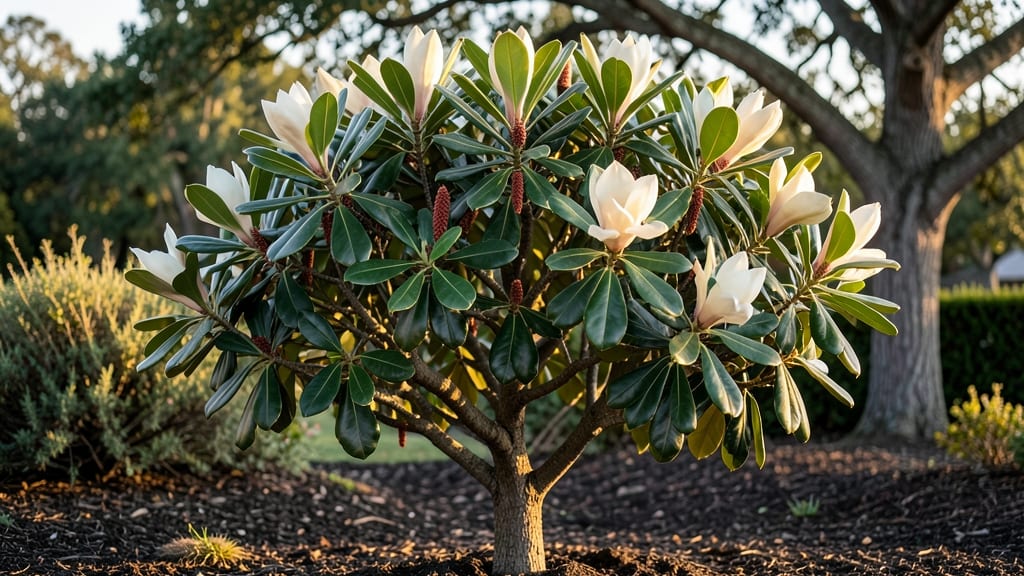
Pruning your big leaf magnolia tree reveals its hidden potential—thicker foliage, stronger branches, and that showstopping summer bloom. 🌿 I’ve been growing these giants for over a decade, and the key to their health isn’t just when you prune, but how.
One wrong cut can leave scars that last years, while the right technique turns your magnolia into the star of the garden. The secret lies in timing and technique: prune after flowering in late spring or early summer, always cutting just outside the branch collar.
Avoid heavy pruning in fall or winter—this tree grows slow enough without extra stress. Most gardeners make one critical mistake: they prune too late, missing the prime window for healing. By summer’s end, you’ll notice fuller canopies and fewer weak branches.
The tree’s natural shape emerges, with those iconic 12-inch leaves catching every sunbeam. And yes, that first bloom will be even more dramatic after proper care. Works for any big leaf magnolia, whether it’s your prized specimen or a young sapling. Here’s how to do it right—without killing your tree.
📚 In This Guide
- What you need
- Instructions
- Tips and common mistakes
- Wrapping up and next steps
What you need
- ● Pruning shears: Bypass pruners (for small branches, 2–3" cutting capacity) – 1 pair
- ● Loppers: Long-handled (3–4 ft) for medium branches (4–6" cutting capacity) – 1 pair
- ● Pruning saw: Curved-tooth or folding saw for thick branches (6"+) – 1
- ● Gloves: Heavy-duty, cut-resistant (e.g., leather or chainmail) – 1 pair
- ● Ladder: Sturdy, extendable (12–20 ft) – 1 (if tree is >8 ft tall)
- ● Disinfectant: 70% isopropyl alcohol or bleach solution (1:9 ratio) – small bottle
- ○ Sealing wax or pruning paste: Optional but helpful for large cuts – small tub
- ● Trash bags: Heavy-duty for debris – 2–3
- ● Weather check: Choose a calm, dry day (avoid pruning in extreme heat or rain)
- ● Safety glasses: Protective eyewear – 1 pair
- ● Long sleeves/pants: Wear to prevent scratches from thorns
- ● First-aid kit: Bandages + antiseptic wipes – small kit
- ● Tree health assessment: Check for pests/diseases (e.g., powdery mildew, scale) before pruning
How to prune a big leaf magnolia for year-round health
Your magnolia’s beauty starts with smart cuts—here’s the exact approach I use to keep these majestic trees thriving.
✂️ Step 1: Time Your Pruning for Maximum Impact
Prune your big leaf magnolia late winter to early spring, just as buds begin to swell but before new growth starts. This timing ensures you’re not removing next year’s blooms—magnolias flower on old wood, so summer pruning risks cutting off potential flowers. If you must prune in summer, do it immediately after blooming to avoid sacrificing next season’s display.
Watch for the first green buds along the branches—this is your signal that winter’s dormancy is ending. Pruning too early leaves cuts exposed to harsh winds; too late and you’ll stress the tree as it pushes new growth. I always mark my calendar for February to March in most climates, but adjust 1-2 weeks later if you live in colder zones.
✂️ Step 2: Remove Dead, Diseased, or Crossing Branches First
Start by cutting out any dead wood (branches that snap easily when bent) or diseased limbs (mushy bark, oozing sap, or discolored areas). Use sharp bypass pruners to make clean cuts at a 45-degree angle, just outside the branch collar—the swollen area where the branch meets the trunk. This prevents unsightly stubs and promotes faster healing.
Next, remove branches that rub against each other or grow inward. These crossing branches create wounds that invite pests and disease. Look for branches with thin, weak growth or those growing straight up from the trunk—these rarely produce flowers and compete with stronger branches. Cut these back to their origin point without leaving stubs.
☀️ Step 3: Thin the Canopy for Light and Airflow
Step back and examine the tree’s overall shape. Big leaf magnolias thrive when their canopy receives filtered sunlight and good airflow. Selectively remove 10-20% of the smallest branches from the outer canopy to open it up. Focus on branches that are less than ½ inch thick—these are easier to remove and won’t leave large wounds.
Use your pruners to make cuts just above a outward-facing bud or branch. This encourages new growth to sprout in the right direction. Avoid topping (cutting the main trunk or large branches back drastically)—this stresses the tree and produces weak, water-sprout growth. Instead, aim for a natural, open vase shape that lets sunlight reach the lower branches.
⏰ Step 4: Shape Gradually Over Time
Magnolias respond best to light, gradual pruning rather than drastic cuts. Never remove more than 25% of the tree’s foliage in one season. Over time, you can guide the tree’s shape by selectively pruning branches that grow too close to sidewalks, driveways, or power lines. Always cut back to a bud or side branch rather than leaving a stub.
Watch for water sprouts—fast-growing, vertical shoots that often appear after heavy pruning. These sap-suckers drain energy from the tree. Snip them off at the base as soon as they appear. If you notice yellowing leaves or stunted growth after pruning, you may have overdone it—magnolias are sensitive to aggressive cuts.
🌿 Step 5: Clean Up and Protect the Tree
After pruning, rake up all debris and dispose of it in the trash—don’t compost diseased branches. Sterilize your pruners with rubbing alcohol between cuts to prevent spreading disease. For larger wounds (over ½ inch thicktree wound pruning sealant to protect against pests and rot. Smaller cuts will heal on their own if made cleanly.
Water the tree deeply after pruning to help it recover. Magnolias have shallow roots, so 1-2 inches of water per week (including rainfall) keeps them healthy. Avoid fertilizing immediately after pruning—wait until new growth appears in spring. Mulch the base with 2-3 inches of organic mulch (like wood chips) to retain moisture and regulate soil temperature.
Tips & tricks for pruning big leaf magnolias
Mastering the art of pruning your big leaf magnolia transforms it from a struggling shrub to a showstopping centerpiece. Here's what I've learned after years of working with these majestic trees.
Timing is Everything: The late winter to early spring window (when buds swell but before new growth starts) is non-negotiable for big leaf magnolias. I've seen too many gardeners prune in summer and accidentally remove next year's blooms—these trees flower on old wood. If you absolutely must prune in summer, do it immediately after blooming and be extra cautious about where you make your cuts.
Bud Identification: When selecting branches to remove in Step 3, always look for outward-facing buds. These are your growth signals—they'll tell you where new branches will sprout. I like to use a small magnifying glass to examine buds closely, especially on older trees where they can be harder to spot. This simple trick helps you maintain that perfect natural shape without leaving awkward stubs.
Gradual Pruning Strategy: Never remove more than 25% of the tree's foliage in one season, as mentioned in Step 4. I've learned this the hard way—after over-pruning a young magnolia, it took three years to recover its lush growth. Spread your pruning over multiple seasons if needed, focusing on different branches each year. This gradual approach keeps the tree healthy and maintains its flowering potential.
Equipment Essentials: Invest in a good pair of bypass pruners—they make clean cuts that heal faster than those from anvil pruners. For larger branches, a pruning saw with a fine-toothed blade prevents tearing. I always sterilize my tools with rubbing alcohol between cuts (as mentioned in Step 5) to prevent spreading disease between branches. This simple precaution has saved me from dealing with fungal infections in my trees.
Pro Tips for Big Leaf Magnolia Tree
- Mastering the art of pruning your big leaf magnolia transforms it from a struggling shrub to a showstopping centerpie...
- Timing is Everything: The late winter to early spring window (when buds swell but before new growth starts) is non-ne...
- Bud Identification: When selecting branches to remove in Step 3, always look for outward-facing buds. These are your ...
Frequently asked questions
When is the best time to prune a big leaf magnolia?
The ideal time is late winter or early spring (before buds swell), but you can also prune lightly after flowering (spring) to shape the tree. Avoid heavy pruning in summer or fall—it stresses the tree and invites disease. Pro tip: If you must prune in summer, do it early and keep cuts small!
How much can I trim without harming the tree?
Big leaf magnolias tolerate moderate pruning—never remove more than 25% of the canopy in one session. Heavy pruning can stunt growth or reduce flowering. Focus on dead, diseased, or crossing branches first, then light shaping. Warning: Over-pruning can leave the tree vulnerable to sunburn on the bark!
Why won’t my magnolia tree bloom after pruning?
Magnolias flower on old wood, so pruning too late (after buds form) can delay blooms. If your tree isn’t flowering, check for:
- Pruning at the wrong time (summer/fall cuts)
- Underwatering or poor soil (they love moist, acidic soil)
- Over-fertilizing with high-nitrogen feeds (use balanced fertilizer)
Do I need to seal pruning cuts on a magnolia?
No! Sealing cuts with paint or sealant is unnecessary and can trap moisture, causing rot. Big leaf magnolias heal naturally—just make clean cuts 1/4" above a bud or branch collar. Exception: If your tree is in a harsh climate (dry/windy), a thin layer of pruning paste may help young cuts, but skip it for mature trees.
What’s a good alternative if my magnolia won’t survive pruning?
If your tree is struggling despite proper care, consider these low-maintenance alternatives with similar beauty:
- Southern magnolia (Magnolia grandiflora) – Hardier, larger leaves, fragrant blooms.
- Saucer magnolia (Magnolia × soulangeana) – Early spring flowers, easier pruning.
- Crapemyrtle – Drought-tolerant, vibrant blooms, and hates heavy pruning.
Wrapping up and next steps
Pruning your big leaf magnolia tree doesn’t have to be intimidating—it’s all about timing, technique, and a little patience! 🌿 Whether you’re trimming for shape, health, or blooms, the key is to work with nature, not against it.
With the right tools, knowledge, and a gentle touch, you’ll reward yourself with a stunning, thriving tree that graces your landscape for decades.
Ready to take the next step? Mark your calendar for the best pruning windows, grab your tools, and get started—your magnolia will thank you with vibrant leaves and breathtaking flowers! 🌸