
Pests and Diseases
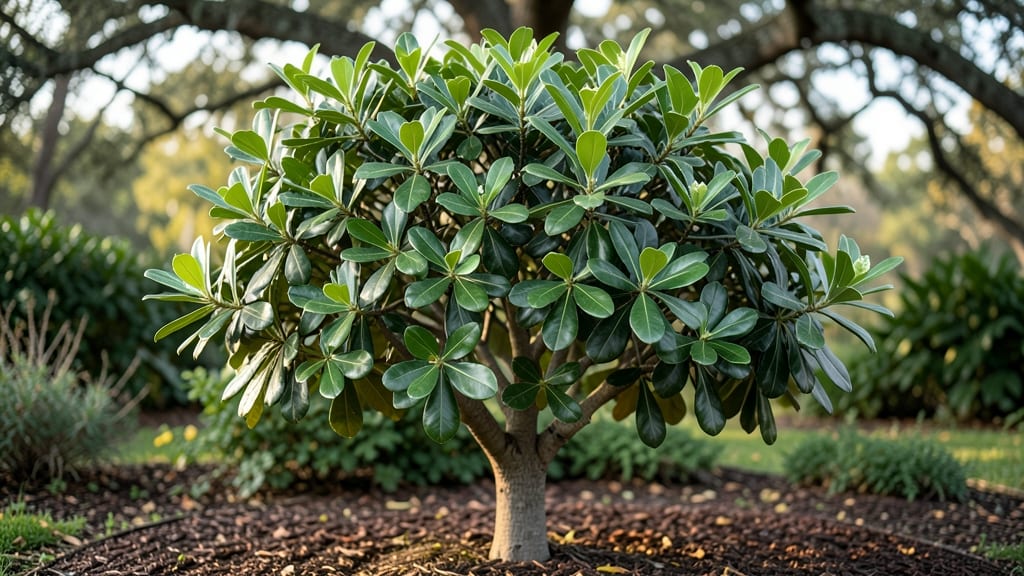
The loblolly bay leaf thrives where humidity lingers and pests dread to tread. 🌿 This Southern evergreen isn’t just hardy—it’s a natural fortress against insects, making it a game-changer for gardens from Texas to the Carolinas.
I’ve watched mine push back aphids and spider mites like a silent sentinel, all while staying lush year-round. You’ll need acidic, well-draining soil (think pine forests) and partial shade to full sun—it’s adaptable but thrives where summers are hot and winters mild.
Plant in early spring or fall, spacing shrubs 8–10 feet apart for that dense, impenetrable look. Mulch heavily to keep roots cool and moisture locked in. By year two, you’ll have a fragrant, glossy-leaved shrub that repels pests without chemicals.
Prune lightly in late winter to shape it, but avoid heavy cuts—this plant rewards patience with decades of service. The leaves even dry beautifully for potpourri or pest-repellent sachets. Perfect for privacy screens, foundation plantings, or wildlife-friendly hedges. Once established, it’s nearly maintenance-free—just watch it work its magic.
Ready to grow your own living shield?
📚 In This Guide
- What you need
- Instructions
- Tips and common mistakes
- Wrapping up and next steps
What you need
- ● Loblolly bay seeds or saplings: 3–5 seeds (if starting from scratch) or 1–2 healthy nursery-grown plants (for faster results). Pro tip: 💡 Seeds may take 1–2 years to sprout—opt for saplings if you’re impatient!
- ● Well-draining soil: 5–10 gallons of a mix of 60% sandy loam + 30% compost + 10% perlite (or coconut coir for moisture control). Critical: Loblolly bays hate soggy roots!
- ○ Growing containers (optional but helpful): For seeds: 4–6 4-inch pots with drainage holes.
- ● For saplings: 1–2 15–20 gallon containers or a 6-foot-wide in-ground bed (if planting outdoors).
- ● Mulch: 2–3 inches of pine straw or shredded bark to retain moisture and deter weeds.
- ● Basic gardening tools: Trowel or hand shovel
- ● Pruning shears (for shaping mature plants)
- ○ Gloves (optional but recommended—loblolly leaves can be sticky!)
- ● pH testing kit: Aim for a soil pH of 5.0–6.5 (acidic to slightly acidic). Warning: 🌡️ Loblolly bays struggle in alkaline soil—amend with sulfur if needed.
- ● Watering can or hose with a gentle spray nozzle (deep watering 1–2x/week for established plants).
- ● Sunlight access: Full sun to partial shade (6+ hours of direct sun daily).
- ○ Fertilizer (optional): Balanced 10-10-10 fertilizer (1 tbsp/month during growing season).
- ● Slow-release organic compost tea (for nutrient boosts).
- ● Copper tape or neem oil spray (to prevent fungal diseases like leaf spot).
- ● Bird netting (if planting in hummingbird-heavy areas—they love the flowers!).
- ● Label markers (to track planting dates and varieties).
Step-by-step guide to cultivating loblolly bay trees
This evergreen's aromatic leaves repel pests naturally—here's how to grow one thriving in your climate.
🌱 Step 1: Select and Prepare the Planting Site
Choose a location with full sun to partial shade and well-draining soil—loblolly bay thrives in sandy, acidic conditions typical of coastal regions. Test your soil's pH; these trees prefer 5.0-6.0. If your soil is too alkaline, amend with 2-3 inches of peat moss mixed into the top 12 inches of soil.
Dig a hole twice as wide as the root ball but no deeper. The top of the root ball should sit 1-2 inches above ground level—this prevents waterlogging, which causes root rot. Loosen the sides of the hole with a shovel to encourage root spread. I always water the hole thoroughly before planting to settle the soil and create a moisture-rich environment for the roots.
☀️ Step 2: Plant and Establish the Young Tree
Remove the loblolly bay from its container and gently tease the roots apart if they're circling—this encourages outward growth. Place the tree in the hole and backfill with native soil, pressing lightly to eliminate air pockets. Water deeply to settle the soil around the roots, then create a 2-3 inch deep basin around the base to direct water away from the trunk during heavy rains.
Mulch with 2-3 inches of pine straw or wood chips, keeping it 6 inches away from the trunk to prevent moisture buildup. Loblolly bay trees are drought-tolerant once established, but young trees need consistent moisture. Water 1-2 times weekly until the tree reaches 2 feet tall, ensuring the soil stays moist but not soggy.
💧 Step 3: Maintain Soil and Water Through the Growing Season
Fertilize lightly in early spring with a balanced, slow-release fertilizer (10-10-10) applied at half-strength. Over-fertilizing can harm these trees, which prefer lean, nutrient-poor soil. Spread the fertilizer evenly over the root zone and water immediately to activate it. Avoid fertilizing in late summer or fall, as new growth won't harden off before winter.
Monitor for signs of stress—yellowing leaves often indicate overwatering or poor drainage, while crispy edges signal underwatering. Loblolly bay trees are adaptable but perform best with 1-1.5 inches of water weekly during dry spells. If your area experiences prolonged drought, water deeply every 7-10 days to encourage deep root growth.
✂️ Step 4: Prune for Shape and Pest Prevention
Prune in late winter or early spring before new growth begins. Remove any dead, diseased, or crossing branches first—these can harbor pests or block airflow. Use clean, sharp pruners to make cuts just outside the branch collar, the swollen area where the branch meets the trunk. This ensures the wound heals properly and reduces the risk of infection.
Thin out crowded branches to improve air circulation, which is critical for preventing fungal diseases. Loblolly bay trees naturally grow into a rounded shape, but you can lightly shape them to maintain a desired form. Avoid heavy pruning, as these trees respond poorly to aggressive cuts. I typically remove no more than 20% of the canopy in any single pruning session.
🪴 Step 5: Protect and Overwinter Young Trees
Young loblolly bay trees benefit from winter protection in colder climates. Wrap the trunk with burlap or tree guard to shield it from sun scorch and animal damage. Mulch heavily—4-6 inches of organic mulch—around the base to insulate roots from freezing temperatures. In zones with below 10°F winters, consider covering the tree with a breathable frost cloth during extreme cold snaps.
Resist the urge to prune in winter, as new growth is vulnerable to frost damage. Instead, focus on keeping the root zone moist by watering once monthly during dry winter periods. Mature loblolly bay trees are hardy and require minimal winter care, but young specimens need extra attention to establish strong root systems before their first winter.
Tips & tricks for growing healthy loblolly bay trees
These proven strategies will help your loblolly bay thrive—and keep pests at bay naturally.
Soil pH Precision: The 5.0-6.0 pH range is non-negotiable for loblolly bay health. I've seen trees struggle in slightly alkaline soil even after adding peat moss, so test your soil before planting. If your pH is above 6.5, consider planting in raised beds with a 50/50 mix of native soil and peat moss to create the perfect acidic environment.
Root Establishment Secret: When planting, the 1-2 inches above ground level positioning prevents waterlogging that causes root rot. I've found that gently tapping the sides of the hole after backfilling helps eliminate air pockets that could strangle new roots. For container-grown trees, the 2-3 inch deep basin you create around the base becomes especially important during heavy rains.
Watering Wisdom: Those 1-1.5 inches of water weekly during dry spells should be applied deeply—about 1 inch at a time—to encourage deep root growth. I use a rain gauge to track cumulative rainfall and only water when we've had less than 1 inch in a week. For young trees, the 1-2 times weekly watering until they reach 2 feet tall is crucial for establishing strong root systems.
Winter Protection: In zones with below 10°F winters, the extra layer of frost cloth can make all the difference. I've had young trees survive -5°F temperatures with proper protection, but uncovered trees suffered frost damage. Remember to remove the frost cloth during daytime thawing periods to prevent moisture buildup that could encourage fungal growth.
Pro Tips for Loblolly Bay Leaf
- These proven strategies will help your loblolly bay thrive—and keep pests at bay naturally.
- Soil pH Precision: The 5.0-6.0 pH range is non-negotiable for loblolly bay health.
- Root Establishment Secret: When planting, the 1-2 inches above ground level positioning prevents waterlogging that causes root rot.
Frequently asked questions
How long does it take for a loblolly bay tree to mature and produce usable leaves?
A loblolly bay (Gordonia lasianthus) typically takes 5–10 years to reach maturity in ideal conditions (full sun, well-drained soil, and consistent moisture). Once established, it produces fragrant, dark green leaves year-round, but the most potent pest-repelling properties peak in spring and summer. Patience pays off—this slow-and-steady evergreen is worth the wait!
Can I use loblolly bay leaves to repel pests indoors? If so, how?
Loblolly bay leaves are natural insect deterrents for mosquitoes, ants, and even moths. Try these tricks:
- Dried sachets: Stuff muslin bags with crushed leaves and place near windows or closets.
- Infused oil: Steep leaves in olive oil for 2 weeks, then strain and use as a spray (mix 1:1 with water).
- Fresh bundles: Hang small bunches in garages or patios for immediate repellent power.
Will loblolly bay leaves survive a hard freeze? What should I do to protect them?
Loblolly bays are hardy to USDA Zones 7–10, but young trees or unexpected freezes (<20°F) can damage foliage. To safeguard your tree:
- Wrap the trunk in burlap or frost cloth for insulation.
- Mulch the base with 3–4 inches of organic matter (pine straw or wood chips).
- Avoid watering before a freeze—wet leaves can ice over.
Are there any plants or herbs that work similarly to loblolly bay for pest control?
If loblolly bay isn’t available, these pest-repelling alternatives offer similar benefits:
- Bay laurel (Laurus nobilis) – Classic kitchen herb that deters flies and moths.
- Lemongrass – Mosquito magnet? Not with its citronella oil!
- Rosemary – Crushed leaves repel cabbage moths and carrot flies.
- Citronella grass – The OG mosquito-repelling powerhouse.
How do I harvest and store loblolly bay leaves for long-term use?
Harvest leaves year-round, but focus on healthy, mature foliage (avoid yellowed or diseased leaves). Here’s how to store them:
- Drying: Bundle stems and hang upside down in a dark, dry, well-ventilated space for 2–3 weeks.
- Freezing: Wash, pat dry, and freeze whole leaves in airtight bags for up to 6 months.
- Powdered: Grind dried leaves into a fine powder for easy use in sprays or potpourri.
Wrapping up and next steps
Growing loblolly bay leaves isn’t just about adding a fragrant evergreen to your landscape—it’s a natural, chemical-free way to keep pests at bay while embracing the charm of the South.
Whether you’re a seasoned gardener or a curious beginner, this resilient plant rewards patience with years of pest-deterring power and stunning foliage.
Ready to take the next step? Start small—plant a single sapling in a sunny spot, or share this guide with a fellow gardener to team up on a loblolly bay hedge for your yard! 🌱