
Trees
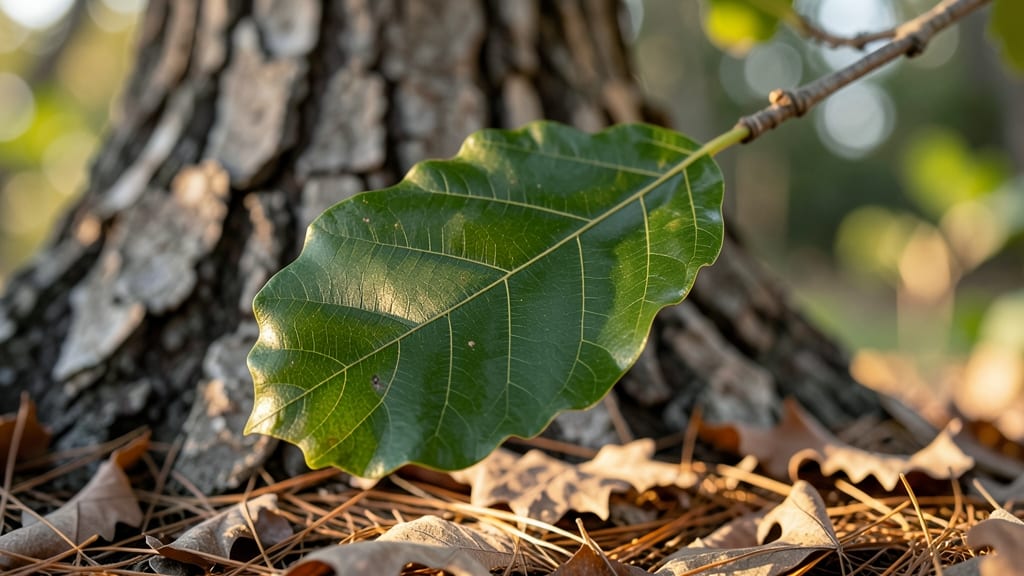
Mastering live oak tree leaf identification starts with those sharp, spiky lobes that look like someone took a pair of scissors to the edges. 🌳 I’ve spent years studying these trees, and the key is in the details: the glossy, deep green color, the way the lobes point outward, and how they’re arranged alternately along the branch.
One wrong guess could mean treating your tree for the wrong pests or missing signs of disease.
The average leaf measures 4-8 inches long, with 3-5 rounded lobes that have a bristly, almost serrated edge. Hold it up to the light—you’ll see the veins fan out from the center like delicate lacework.
Compare it to other oaks: white oaks have smoother lobes, and water oaks have more jagged edges. A simple field guide or plant ID app can help verify what your eye sees.
Why does this matter? Live oaks are tough but not invincible—misidentifying them could lead to overwatering, wrong fertilizer, or missing early signs of oak wilt. Once you recognize these leaves, you’ll spot them anywhere from your backyard to the deepest Southern forest.
The next time you see one, you’ll know exactly what you’re looking at.
For tricky cases, snap a photo and use an app like iNaturalist or LeafSnap to cross-check. Even experienced gardeners double-check—there’s no shame in confirming before making decisions about care or pests.
The more you practice, the easier it gets, and soon you’ll be identifying them faster than you can say "Southern live oak."
Understanding Leaf Changes in Live Oaks
Live oak trees (Quercus virginiana) are iconic symbols of the American South, but their leaves don’t always look the same. If you’re noticing unusual leaf shapes, colors, or patterns—especially when identifying them—these changes are rarely random. Here’s why they happen, broken down by the most common causes:
---
Live oak leaves undergo predictable changes due to seasonal shifts, and these aren’t cause for alarm. In spring, new leaves emerge as soft, fuzzy, and lobed, often with a lighter green hue. This is because the tree is directing energy toward growth rather than photosynthesis.
As summer progresses, the leaves harden, develop sharper, more defined lobes, and turn a deeper green—an adaptation to maximize sunlight absorption.
- Fall & Winter: Leaves may turn yellowish-brown or drop prematurely if temperatures dip sharply, but live oaks are evergreen, so most retain some foliage year-round. - Pro Tip: 💡 If leaves look smaller or thinner than usual, it might just be a young tree still maturing—give it time!
---
Pests are a major reason live oak leaves develop irregular shapes, holes, or discoloration. Here’s what to watch for:
| Pest | Signs | Why It Happens | |-------------------|------------------------------------|-----------------------------------------------------------------------------------| | Oak Leaf Gall Wasps | Swollen, gnarled leaf lobes | Larvae inject hormones that cause abnormal growth. | | Sawfly Larvae | Chewed edges, skeletonized leaves | Caterpillar-like larvae feed on leaf tissue, leaving jagged damage. | | Scale Insects | Sticky residue (honeydew), yellowing | Sap-sucking insects weaken leaves, causing premature drop or stunted lobes. | | Spider Mites | Fine webbing, speckled leaves | Tiny mites pierce cells, leading to bronzing or bleaching of leaf surfaces. |
Actionable Fix: 🔥 If you spot pests, prune and dispose of heavily infested leaves to prevent spread. Use horticultural oil (in dormant season) or neem oil for organic control.
---
Live oaks are resilient, but drought, flooding, or extreme heat can distort leaf development:
- Drought Stress: - Leaves may curl, yellow, or develop brown edges as the tree conserves water. - Solution: Deep watering (1–2 inches per week) helps, but live oaks are drought-tolerant—don’t overwater!
- Fungal Diseases (e.g., Oak Leaf Blister): - Puffy, blister-like growths on leaves (often caused by Taphrina fungi). - Why? High humidity + warm temps create perfect conditions for spores to spread. - Fix: Improve airflow with pruning and apply copper fungicide if outbreaks occur.
- Hail or Wind Damage: - Torn or irregularly shaped lobes after storms. - No treatment needed—new leaves will regrow naturally.
---
Live oaks thrive in well-draining, slightly acidic soil (pH 5.0–6.5), but poor conditions can alter leaf health:
- Iron Deficiency (Chlorosis): - Yellowing between leaf veins (while veins stay green). - Cause: High soil pH or compacted clay locks out iron. - Fix: Apply chelated iron or sulfur to lower pH.
- Nitrogen Shortage: - Pale green or yellow leaves with reduced lobing (smaller, simpler shapes). - Solution: A slow-release nitrogen fertilizer (like blood meal) in early spring.
- Soil Compaction: - Stunted root growth leads to smaller, weaker leaves. - Fix: Aerate soil with a garden fork or top-dress with compost.
--- Not all live oak leaves look identical—some variations are natural:
- Juvenile vs. Mature Leaves: - Young trees often have softer, less lobed leaves that gradually develop sharper, more pronounced lobes as they age. - Cultivar Differences: - Some live oak varieties (like Quercus virginiana ‘Live Oak’ vs. Q. virginiana ‘Savannah’) may have slightly different lobe patterns. - Grafting or Propagation: - Trees grown from cuttings or grafts might exhibit unusual leaf shapes until they stabilize.
Key Takeaway: ✨ If a tree is otherwise healthy (green leaves, no pests, good growth), odd leaf shapes may just be its unique genetic quirk!
Quick Fixes for Leaf Issues
When your live oak tree’s leaves start looking less than perfect, don’t panic—most problems have simple, effective solutions. Below, we’ve mapped common issues to easy fixes, along with prevention tips to keep your tree thriving for years. Think of this as your leaf troubleshooting guide—no green thumb required!
---
Cause: Too much water, poor drainage, or lack of essential nutrients (like nitrogen or iron). Fix It: 🔥 Step 1: Check the Soil – Stick your finger 2 inches into the soil. If it’s soggy, your tree is overwatered. If it’s bone-dry, it’s underwatered. 🍳 Step 2: Adjust Watering – Live oaks prefer deep but infrequent watering. Water only when the top 3 inches of soil are dry. Use a soaker hose or drip irrigation to avoid wetting the leaves (which can cause fungal issues). 👨🍳 Step 3: Test the Soil – Grab a DIY soil test kit (or send a sample to your local extension office) to check pH and nutrient levels. Live oaks thrive in slightly acidic soil (pH 5.5–7.0). 🥘 Step 4: Fertilize Smartly – If nutrients are low, apply a slow-release, balanced fertilizer (like 10-10-10) in early spring. For iron deficiency (yellowing between veins), use chelated iron in a spray or granules.
💡 Prevention Tip: Mulch around the base (2–4 inches deep, keep it 6 inches away from the trunk) to retain moisture and improve soil health.
---
Cause: Fungal diseases (like anthracnose or leaf spot) or pests (oak leaf rollers, lace bugs). Fix It: 🔥 Step 1: Prune Infected Leaves – Remove and dispose of (don’t compost!) any leaves with spots or holes. Use sterilized pruners to avoid spreading spores. 🍳 Step 2: Improve Airflow – Thin out dense branches to let sunlight and air circulate. This reduces humidity, which fungi love. 👨🍳 Step 3: Fungicide Treatment – For stubborn fungal issues, use a copper-based fungicide or neem oil spray (follow label instructions). Reapply every 2–4 weeks if needed. 🥘 Step 4: Pest Control – If pests are the culprit, blast off lace bugs with a strong spray of water. For oak leaf rollers, handpick the rolled leaves and drop them in soapy water.
🔥 Prevention Tip: Water early in the day so leaves dry quickly, and avoid overhead sprinklers. Reflective mulch (like aluminum foil around the base) can deter pests.
---
Cause: Compacted soil, root damage, or lack of space for roots to spread. Fix It: 🔥 Step 1: Aerate the Soil – Use a manual soil aerator or rent a core aerator to break up compacted soil around the tree’s drip line (the edge of its canopy). 🍳 Step 2: Loosen Roots Gently – If the tree is in a confined space (like a small yard), avoid digging near roots. Instead, top-dress with compost (2–3 inches) and water deeply. 👨🍳 Step 3: Mulch Properly – Extend mulch out to the drip line (but not touching the trunk). Use organic mulch (like pine straw or wood chips). 🥘 Step 4: Transplant If Needed – If the tree is severely root-bound, consult an arborist about careful transplanting (best done in late fall or winter).
🌡️ Prevention Tip: Plant live oaks in well-draining soil and give them plenty of space (they can grow 60–80 feet wide!). Avoid construction near roots—even minor damage can stunt growth.
---
Cause: Sudden temperature changes, drought, or systemic diseases (like oak wilt). Fix It: 🔥 Step 1: Monitor Watering – Live oaks are drought-tolerant but still need deep watering during dry spells. Use a rain gauge to track moisture levels. 🍳 Step 2: Protect from Cold Snaps – If temperatures drop below 20°F, wrap the lower trunk with burlap or use a tree blanket for young trees. 👨🍳 Step 3: Check for Oak Wilt – If leaves suddenly wilt and turn brown, oak wilt may be spreading. Remove infected trees immediately and contact your local extension office for treatment protocols. 🥘 Step 4: Boost Tree Health – Apply a balanced fertilizer in early spring and prune dead branches to reduce stress.
✨ Prevention Tip: Mulch heavily in late fall to insulate roots from freezing temps. Avoid pruning in late spring/summer (peak oak wilt season).
--- - When to Prune: Late winter or early spring (avoid heavy pruning in summer). - Pest Patrol: Inspect leaves monthly for early signs of pests or disease. - Soil Check: Test soil every 2–3 years to catch deficiencies early.
With these fixes, your live oak’s leaves should bounce back to their glossy, lobed glory in no time! 🌳💚
Frequently asked questions
How can I tell the difference between live oak and water oak leaves?
Live oak leaves have 3-5 rounded lobes with bristly edges that point outward, while water oak leaves are more jagged with 7-9 sharp, pointed lobes. Hold them up to light—live oak leaves have smoother, more defined veins that fan out like lace, whereas water oaks often look more irregular. Young live oak leaves may appear less lobed until they mature.
Why do some live oak leaves have fewer lobes than others?
Young trees or new growth often have simpler, less lobed leaves that develop sharper lobes as they mature. Some leaves may also appear less lobed due to nutrient deficiencies (like nitrogen) or pest damage (such as oak leaf gall wasps). If the tree is otherwise healthy, it’s likely just natural variation—live oaks aren’t perfectly uniform!
Can I use a phone app to confirm live oak leaf identification?
Apps like iNaturalist, LeafSnap, or PictureThis use AI to analyze leaf shape, color, and veins for accurate ID. Just snap a clear photo of the underside and top of the leaf (including the stem) for best results. For tricky cases, compare your photo with field guides like Peterson Field Guide to Trees—sometimes seeing multiple examples helps!
What does it mean if live oak leaves turn yellow between the veins?
This is often a sign of iron deficiency (chlorosis), caused by high soil pH or compacted clay locking out nutrients. Test your soil—live oaks prefer slightly acidic conditions (pH 5.0–6.5). Apply chelated iron (spray or granules) and improve drainage with organic mulch. Yellowing veins can also indicate overwatering, so check soil moisture before treating.
Are live oak leaves toxic to pets or livestock?
No, live oak leaves are not toxic to pets or livestock, but the acorns can be harmful if eaten in large quantities (they contain tannins). While chewing leaves won’t poison animals, monitor for signs of digestive upset. If your pet ingests acorns, contact your vet—removing the tree isn’t necessary unless it’s a major hazard in your yard.