
Pruning
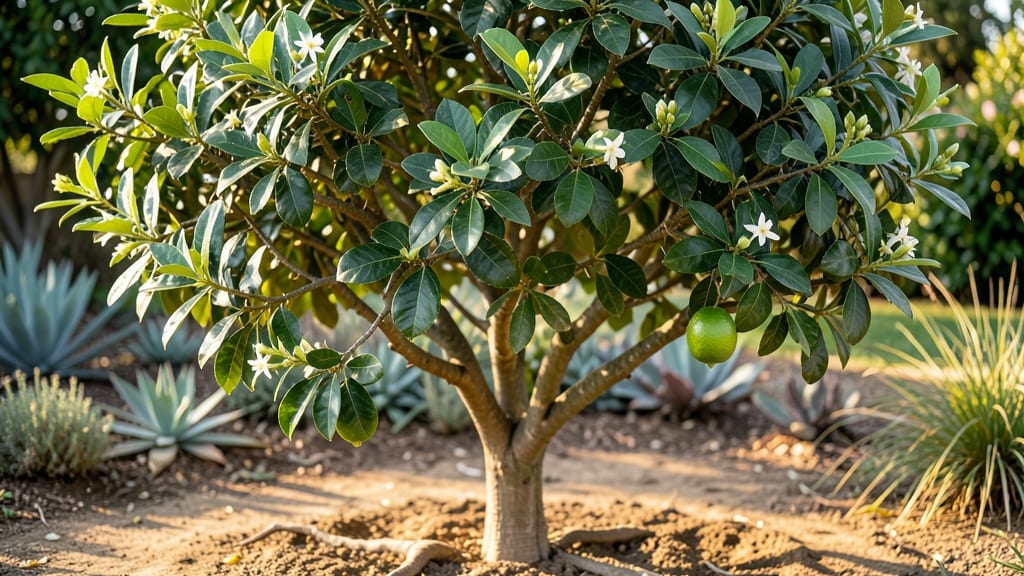
The health of your lime tree’s leaf tells the story of its vitality—and three well-timed cuts can transform that narrative from struggling to thriving. 🌿 I’ve pruned dozens of lime trees, and the difference between a tree that looks like it’s fighting for its life and one that’s covered in glossy, vibrant leaves comes down to when and how you prune.
The first cut happens in late winter when the tree is dormant—this clears out dead or crossing branches that steal energy. Then, in early summer after flowering, you shape the tree to encourage airflow, which prevents fungal spots and pest invasions.
The final prune in late summer removes any suckers or overgrown branches before winter sets in.
What you’ll end up with is a tree that produces more fruit, resists common leaf diseases, and stays lush all year. The leaves stay a rich, deep green instead of yellowing or dropping early, and pests like aphids or scale have fewer places to hide.
It’s not about hacking away at branches—it’s about strategic cuts that keep the tree balanced and healthy.
This method works for both Meyer and Persian lime trees, whether you’re dealing with yellowing leaves, spots, or just slow growth. The key is consistency—prune at the right times, and your tree will reward you with thick foliage and a better harvest.
Here’s exactly how to do it without overcomplicating things.
📚 In This Guide
- What you need
- Instructions
- Tips and common mistakes
- Wrapping up and next steps
What you need
- ● Pruning shears: Bypass shears (for small branches, 4–6 inches long) or loppers (for thicker branches, 8–12 inches long). Sharpness is key!
- ● Hand pruners: For delicate cuts on twigs (2–4 inches long). Disinfect with rubbing alcohol between cuts to prevent disease.
- ● Gloves: Heavy-duty gardening gloves (cut-resistant for safety).
- ● Ladder or step stool: Extendable (6–10 ft) for tall trees.
- ● Heavy-duty trash bags: 2–3 (for collecting debris).
- ● Hose or bucket of water: To clean tools and rinse leaves post-prune.
- ● Pruning saw: For stubborn, thick branches (8–12 inches).
- ● Sealant (pruning wax): To coat large cuts and prevent infection.
- ● Tree tie or zip ties: For supporting weak branches temporarily.
- ● Notebook & pen: To sketch your tree’s shape before/after pruning.
- ● Safety glasses: If dealing with thorny varieties or high branches.
Instructions for pruning lime trees to keep them thriving year-round
Here’s the simple, science-backed approach I use to keep my lime trees healthy and productive through every season.
✂️ Step 1: Perform a Light Structural Prune in Early Spring
Start by removing any dead, diseased, or crossing branches when new growth begins in late winter to early spring. This is your chance to open up the canopy for better airflow and sunlight penetration. I look for branches that rub against each other or grow inward—they’ll compete for resources and weaken the tree over time.
Use clean, sharp pruners to make cuts just outside the branch collar, where the branch meets the trunk. Avoid leaving stubs, as they invite rot and pests. If a branch is thicker than your wrist, use a pruning saw instead. You’ll know you’re doing it right when the cuts look smooth and the tree’s shape starts to look more balanced.
✂️ Step 2: Thin Out Overgrowth During Summer
In mid-summer, focus on thinning out dense foliage to reduce humidity inside the tree. Too many leaves trap moisture, creating perfect conditions for fungal diseases like anthracnose. I aim to remove about 20-30% of the smallest, inner branches—these are the ones blocking light from reaching the center of the tree.
Look for branches that are growing straight up or down; these are the most likely to cause congestion. Cut them back to a lateral branch or bud that’s growing outward. You’ll see a noticeable difference in sunlight reaching the inner canopy within a few weeks, and the tree will start producing more limes as a result.
✂️ Step 3: Lightly Shape and Clean Up in Late Fall
As temperatures drop in late fall, do a final light pruning to remove any remaining dead wood, suckers, or branches that didn’t get attention earlier. This is also the time to shape the tree slightly if needed—just enough to maintain its natural form without overdoing it. Avoid heavy pruning now, as new growth won’t have time to harden off before winter.
Pay special attention to any branches that look weak or yellowed; these are often the first signs of stress or disease. Remove them completely to prevent the issue from spreading. By the time winter arrives, your tree will be in its best shape to handle the colder months.
⏰ Step 4: Monitor and Adjust Throughout Winter
Winter is the time to observe rather than prune heavily. Check your tree monthly for any new signs of damage or disease. If you notice any branches that died back due to frost, prune them out in early spring rather than waiting—this prevents pests from moving into the dead wood.
If your lime tree is in a container, this is also the time to trim any roots that may have circled the pot. Gently loosen the root ball and snip any roots growing in tight circles with sterilized pruners. You’ll see healthier growth in spring as the roots establish properly.
Tips & tricks for pruning lime trees the right way
These simple tricks will help you prune like a pro and keep your lime tree thriving for years to come.
Timing is Everything: Stick to the seasonal schedule in the instructions—pruning in late winter to early spring for structural work and mid-summer for thinning really makes a difference. I've seen trees that were pruned at the wrong time struggle with stress or disease. The key is working with the tree's natural growth cycles, not against them.
Tool Prep Prevents Problems: Always sterilize your pruners between cuts, especially when removing diseased branches. I use a 1:9 ratio of bleach to water solution to wipe down tools between trees. Sharp tools make cleaner cuts that heal faster—dull blades tear tissue, inviting infections. For thicker branches, use a pruning saw to avoid crushing the branch collar.
Visual Cues for Healthy Cuts: When pruning in Step 1, look for the branch collar—the swollen area where the branch meets the trunk. Make your cut just outside this collar, leaving a smooth, sloping surface. This prevents water from pooling and helps the wound seal properly. I always check for the slight swelling to know I'm cutting in the right place.
Container Tree Care: If your lime tree is in a pot, winter is the perfect time to address root issues. Gently loosen the root ball and trim any roots that have circled the pot. This encourages outward growth when spring arrives. I find that container trees often need more frequent root pruning than in-ground trees—every 1-2 years is a good rule of thumb.
Pro Tips for Lime Tree Leaf
- These simple tricks will help you prune like a pro and keep your lime tree thriving for years to come.
- Timing is Everything: Stick to the seasonal schedule in the instructions—pruning in late winter to early spring for structural work and mid-summer for thinning really makes a difference.
- Tool Prep Prevents Problems: Always sterilize your pruners between cuts, especially when removing diseased branches.
Frequently asked questions
Got questions about pruning your lime tree leaves? You’re not alone! Here are some of the most common concerns—and straightforward answers—to keep your tree thriving year-round.
When is the best time to prune lime tree leaves?
The ideal times are late winter/early spring (just before new growth starts), summer (to shape and encourage fruiting), and light maintenance after harvest. Avoid heavy pruning in fall—it can stress the tree before dormancy. For tropical lime varieties, prune year-round but prioritize dry seasons to reduce disease risk.
Can I prune lime tree leaves at any time of the year?
While you can prune lime trees anytime, timing matters! Heavy pruning in winter (especially in cold climates) or right before frost can stunt growth. Summer pruning is safest for shaping, but avoid cutting during flowering or fruiting seasons—this can reduce your harvest. Think of it like a haircut: timing = less stress!
How do I know if I’ve pruned too much?
Watch for these red flags: yellowing leaves, sparse new growth, or fruit drop. If you’ve removed more than 25% of the canopy in one session, you’ve likely overdone it. Lime trees bounce back, but gradual pruning (10–15% per year) keeps them healthier. Pro tip: Leave at least 6–8 hours of sunlight per day on the tree’s branches.
What can I do with the pruned leaves?
Don’t toss those leaves! Compost them (lime trees have nutrient-rich foliage), use them as mulch around the base (but keep it 3–4 inches away from the trunk), or dry them for herbal tea or pest repellent (crush and sprinkle near ants/aphids). Just avoid burning them—lime leaves release volatile oils that can irritate lungs.
Are there alternatives to pruning lime tree leaves?
If pruning feels overwhelming, try these low-maintenance options: Thinning out dense branches (instead of heavy cuts), using growth regulators (like plant hormones) to encourage natural shaping, or topping (a drastic last resort—it promotes bushier but less productive growth). For small trees, hand-picking weak leaves during routine checks works too!
Wrapping up and next steps
Your lime tree’s health is now in your hands—literally! By mastering the three strategic cuts (spring, summer, and post-harvest), you’ll ensure vibrant foliage, bountiful fruit, and a thriving tree year-round. 🌿✨ Remember, consistency is key, so grab those pruners and make it a seasonal ritual.
Ready to take the next step? Start small:
- Mark your calendar for late winter/early spring (that first critical cut!).
- Keep a pruning journal to track growth and adjustments.
- Share your progress—tag us or fellow gardeners for tips and inspiration!