
Pruning
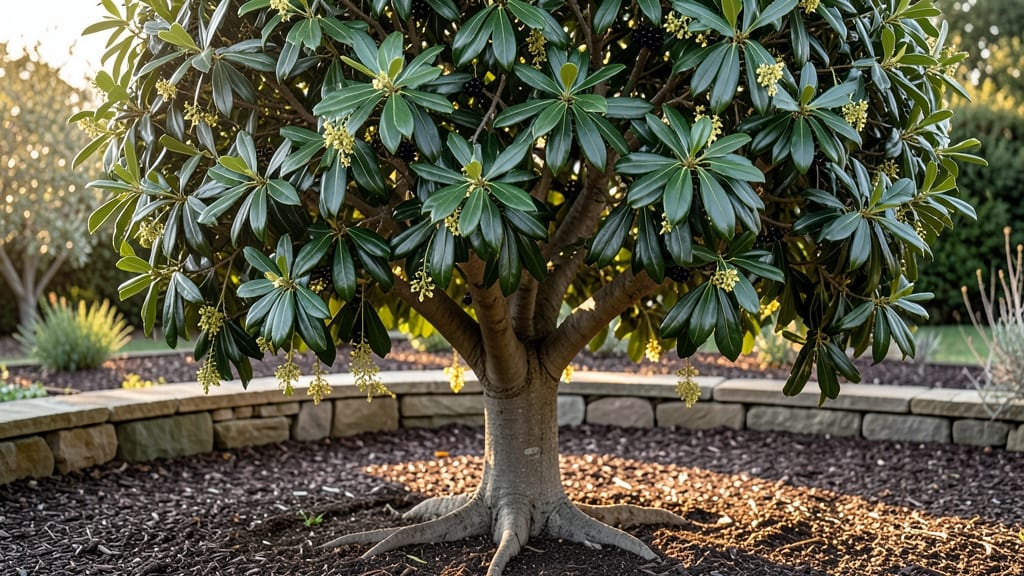
Your bay leaf tree care thrives when pruned right, turning scraggly branches into a fragrant, dense crown of glossy leaves. 🌿 I learned this the hard way after my first overzealous trim left it looking like a sad, lopsided shrub—but now it’s the lush centerpiece of my kitchen garden, producing leaves all year.
The secret lies in year-round light pruning to encourage bushy growth. Snip back leggy stems after harvests or in early spring, always cutting just above a leaf node. Avoid heavy pruning in fall, when the plant needs to harden off for winter—small adjustments keep it productive without stress.
By summer’s end, you’ll notice fresh new growth where you pruned, and those leaves will smell shockingly fresh when crushed. The tree rewards patience with dense foliage that stays vibrant even in winter, and you’ll never need to buy dried bay leaves again.
Works equally well for potted plants indoors or outdoor shrubs. Just adjust watering slightly—containers dry out faster, and outdoor plants need deeper roots to handle drought. Let’s get those shears sharp!
📚 In This Guide
- What you need
- Instructions
- Tips and common mistakes
- Wrapping up and next steps
What you need
- ● Pruning shears: Bypass pruners (sharp, clean, and sterilized with rubbing alcohol) for clean cuts.
- ○ Hand pruners: For smaller branches (optional but handy for precision).
- ● Loppers: For thicker branches (12–16-inch blades for leverage).
- ● Gloves: Heavy-duty gardening gloves (bay leaves can irritate skin!).
- ● Disinfectant: 70% isopropyl alcohol or bleach solution (1:9 ratio) for tools.
- ○ Pruning sealant: Optional for large cuts (e.g., tree wound pruning paste).
- ● Trash bags: 2–3 heavy-duty bags (bay leaves are slippery—line your bin!).
- ● Safety glasses: Protect eyes from debris (especially when pruning high branches).
- ● Sturdy ladder: Aluminum or fiberglass (avoid wood near moisture). Weight limit: 300+ lbs.
- ○ Extension pole: Optional for high branches (attach pruners for reach).
- ● Knee pads: For comfort during ground-level pruning.
- ● Weather check: Prune on a dry, overcast day (avoid wind or rain).
- ● Tool maintenance: Sharpen blades before pruning (dull tools crush branches).
- ● Tree health assessment: Inspect for pests/disease (e.g., aphids, powdery mildew) before pruning.
Step-by-Step guide to pruning your bay leaf tree
Keep your bay leaf tree thriving with these simple pruning techniques that encourage dense growth and rich fragrance.
✂️ Step 1: Prune for Shape and Airflow in Early Spring
Start your pruning routine in late February or early March when new growth begins but before leaves fully emerge. This timing ensures you're cutting back dormant branches while avoiding the stress of winter pruning. I like to use clean, sharp pruning shears—dull blades tear stems and invite disease.
Focus on shaping the tree first. Remove any branches that cross or rub against each other, as these will eventually damage the bark. Thin out crowded areas to improve airflow, which prevents fungal issues. Aim to maintain an open vase shape—bay trees naturally grow this way, and it maximizes leaf exposure to sunlight.
🌿 Step 2: Encourage Bushier Growth Mid-Season
About 6 weeks after spring pruning, when you see new leaves reaching 2-3 inches, it's time for a second light pruning. This is where you encourage bushier growth by cutting back the tips of branches. Look for stems with 4-5 sets of leaves and trim just above the third or fourth leaf pair from the top.
Here's the thing—bay trees grow best when pruned this way because it stimulates lateral branching. You'll notice within weeks that side shoots start filling in the gaps. Avoid cutting into old wood; bay trees rarely regrow from mature stems. If you accidentally over-prune, don't worry—your tree will still produce leaves, just with slightly less vigor.
☀️ Step 3: Maintain Through Summer with Light Trimming
During June through August, your focus shifts to maintenance rather than heavy pruning. Remove any dead, diseased, or yellowing leaves immediately—bay trees are prone to powdery mildew in humid conditions. You'll know it's time to act when you see white powder on leaves or brown spots.
Also watch for leggy growth reaching toward the sun. Trim these stems back by one-third to encourage compact growth. The key is to prune just after a set of leaves, always leaving a small bud or leaf node. This ensures the tree continues growing densely rather than stretching upward.
⏰ Step 4: Prepare for Winter with Minimal Pruning
In October and November, bay trees enter dormancy, so pruning should be minimal. Focus only on removing any dead wood or branches that are clearly dying. Avoid heavy pruning now—bay trees need their energy reserves for winter survival. If you must prune, do so on mild days above 50°F to reduce stress.
This is also the time to clean up any fallen leaves and debris around the base of your tree. Bay trees appreciate a 3-inch layer of mulch (like wood chips) to protect roots from freezing temperatures. Just keep the mulch 6 inches away from the trunk to prevent rot.
🌱 Step 5: Year-Round Leaf Care for Fragrance
Pruning isn't just about cutting—it's also about maintaining the health of the leaves you keep. Throughout the year, harvest leaves sparingly (never take more than one-third of the foliage at a time). The more leaves you remove, the less fragrant they become, so balance your needs with the tree's health.
Water deeply once a week during dry spells, ensuring the soil stays evenly moist but not soggy. Bay trees prefer well-draining soil and will suffer if roots sit in water. You'll know your care is working when you can crush a leaf and smell that classic bay aroma—that's your reward for consistent pruning and maintenance.
Tips & tricks for perfect bay leaf tree care
Took me years to figure out these essentials—your bay tree will thank you for paying attention to these details.
Tool Selection: Invest in a pair of bypass pruning shears for clean cuts that heal faster. I've ruined multiple cuts with dull shears, which tear the bark and leave ugly wounds. For thicker branches over ½-inch, use loppers—never prune with scissors or hedge clippers, as they crush stems and slow regrowth. Disinfect your tools with rubbing alcohol between cuts to prevent spreading disease.
Seasonal Timing Secret: The late February to early March window for spring pruning is critical—this is when your tree naturally begins its growth cycle. If you prune too early (January), you risk damaging tender buds just waking from dormancy. Pro tip: Check for swollen buds along branches as your cue to start; these indicate new growth is imminent. In warmer climates, you might delay until March to avoid unexpected late frosts.
Visual Pruning Cues: When cutting back leggy growth in Step 3, look for the small "leaf axils" (the tiny notches where leaves meet stems). These are where new shoots emerge. Always cut just above a leaf axil—never at a bare stem—because this is where your tree will produce new growth. If you accidentally cut into old wood, don't panic; bay trees are resilient, but you'll need to be patient for new growth to appear.
Winter Protection Strategy: That 3-inch mulch layer in Step 4 works wonders, but here's the key: apply it after the first frost when soil temperatures drop below 50°F. This prevents early spring warming from causing root rot. For container-grown bay trees, wrap the pot in bubble wrap and place it against a south-facing wall—this can add 10-15°F of protection during cold snaps. Just remember to remove the wrap in early spring before new growth begins.
Pro Tips for Bay Leaf Tree Care
- Took me years to figure out these essentials—your bay tree will thank you for paying attention to these details.
- Tool Selection: Invest in a pair of bypass pruning shears for clean cuts that heal faster. I've ruined multiple cuts ...
- Seasonal Timing Secret: The late February to early March window for spring pruning is critical—this is when your tree...
Frequently asked questions
Got questions about keeping your bay leaf tree thriving?
Here are answers to the most common concerns—from pruning tips to troubleshooting—so you can enjoy healthy, fragrant foliage year-round.
When is the best time to prune a bay leaf tree?
Prune your bay leaf tree in late winter or early spring (before new growth starts) to encourage lush, healthy foliage. Avoid heavy pruning in fall, as it can stimulate tender growth vulnerable to cold. Light trimming to shape or remove dead branches can happen anytime, but never prune in winter if frost is expected!
How do I prune a bay leaf tree for maximum fragrance?
To boost aroma, focus on open, airy growth—thin out dense branches to improve airflow and sunlight penetration. Prune just above a leaf node (where leaves meet stems) to encourage bushier, fragrant new shoots. Avoid over-pruning, as bay trees produce more scent when slightly stressed but not overworked.
Why are my bay leaves turning yellow or brown?
Yellowing leaves often signal overwatering or poor drainage, while brown edges can mean underwatering or sunburn. Check soil moisture (it should stay slightly dry between waterings) and ensure the tree gets morning sun and afternoon shade in hot climates. Yellow spots may also indicate fungal issues—trim affected areas and avoid wetting foliage.
Can I grow a bay leaf tree in a container?
Bay trees thrive in containers with well-draining soil and a pot at least 12–18 inches wide. Use a mix of potting soil and perlite, and repot every 2–3 years. Place in a sunny spot (6+ hours of light) and water when the top inch of soil is dry. Dwarf varieties like ‘Tiny Tower’ are ideal for small spaces!
How cold-hardy are bay leaf trees, and do they need protection?
Most bay trees (like Laurus nobilis) are tender perennials, surviving down to 15–20°F (-9 to -6°C) with mulch. In colder zones, wrap the trunk in burlap and cover with frost cloth. For potted trees, move them indoors before frost or use a greenhouse or cold frame for overwintering.
Pro Tip:
If your bay tree looks leggy, prune back by 1/3 in spring to encourage fuller growth. Always sterilize pruners with rubbing alcohol to prevent disease!
Wrapping up and next steps
Caring for your bay leaf tree is a rewarding journey that yields fragrant, lush foliage and a bountiful harvest of aromatic leaves! 🌿 With the right tools, timing, and techniques—like year-round pruning—you’ll keep your tree thriving for seasons to come.
Whether you’re trimming for shape, health, or harvest, remember: consistency and patience are key.
Ready to elevate your green thumb game? Start small: pick one season to focus on pruning, then gradually expand your skills. Before you know it, your bay leaf tree will be the star of your garden—and your kitchen! 🌟