
Pests and Diseases
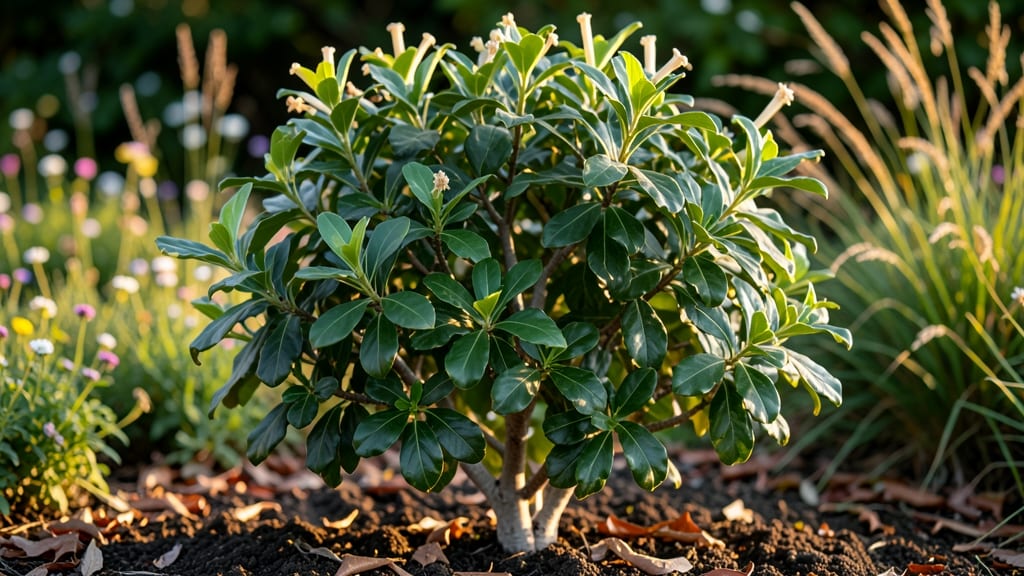
Wavy leaf ligustrum transforms any yard into a lush green masterpiece with its glossy, undulating foliage that stays stunning year-round. 🌿 I’ve pruned mine for five seasons now, and the key isn’t just cutting back—it’s shaping the plant to highlight those signature waves while keeping it dense and healthy.
The secret lies in strategic pruning that encourages fresh growth without sacrificing that signature texture.
This evergreen shrub thrives in partial shade to full sun and handles drought once established, making it a low-maintenance star. Start with well-draining soil (think sandy loam with compost) and water deeply once a week—unless it’s scorching hot, then bump it to twice.
The wavy edges? That’s what makes it special, and pruning in late winter or early spring keeps those leaves looking crisp and vibrant.
By summer’s end, you’ll see new growth filling in any gaps, and with just a few strategic cuts, your ligustrum will look like it stepped out of a nursery display.
The best part? It’s perfect for hedges, privacy screens, or as a bold focal point—just give it space to spread its wings (or waves, in this case).
Confession: I used to over-prune mine, thinking more cuts meant bushier growth. Now I know better—less is more, and patience pays off with foliage so dramatic, neighbors will ask how you do it. Here’s how to get those waves looking their absolute best without a single dead branch in sight.
📚 In This Guide
- What you need
- Instructions
- Tips and common mistakes
- Wrapping up and next steps
What you need
- ● Pruning shears: Bypass pruners (sharp, 6-8" blades) for clean cuts on small branches.
- ● Loppers: 1 pair (for thicker branches, 8-12" cutting capacity).
- ● Pruning saw: 1 (for stubborn, large-diameter branches).
- ● Gloves: Heavy-duty, cut-resistant (to protect hands from thorns and sharp edges).
- ● Disinfectant: 70% isopropyl alcohol or a garden disinfectant (to sterilize tools between cuts).
- ● Trash bags or bucket: 1-2 (for collecting pruned debris).
- ○ Ladder (optional but helpful): Sturdy, extendable (if your shrub exceeds 6 feet).
- ○ Pruning sealant (optional): For sealing large cuts (e.g., Tree Seal or Pruning Wax).
- ● Hand pruners: Compact, for precision trimming.
- ● Pole pruner: Extendable (for high branches without a ladder).
- ● Garden kneeler: For comfort when working close to the ground.
- ● Labeling tags: To mark branches for future reference (e.g., "shape here").
- ● Compost bin: For repurposing healthy pruned foliage.
Step-by-step pruning guide for Ligustrum wavy leaf
Transform your shrub into a lush, sculpted masterpiece with these proven techniques.
✂️ Step 1: Time Your Pruning for Optimal Growth
Spring is your best bet—prune right after the last frost date when new growth begins. You'll see fresh, vibrant leaves emerging, signaling it's time to shape. If you miss spring, late summer after flowering is your second chance, but avoid heavy pruning then if you want next year's blooms.
Never prune in fall or winter. The plant needs its energy reserves intact to survive cold snaps, and cutting back now invites disease. I like to mark my calendar with the last frost date and set a reminder—missing the window means waiting another year for that perfect shape.
✂️ Step 2: Assess and Plan Your Cuts
Step back and examine your shrub. Look for dead, crossing, or weak branches—these are your first targets. Use sharp bypass pruners to make clean cuts just above a leaf node or outward-facing bud. Ligustrum wavy leaf responds beautifully to structure, so aim for an open, vase-like shape that lets light penetrate to the center.
I always sketch a rough outline first with a piece of twine or string. This helps me visualize the final shape before making any cuts. For dramatic foliage, focus on creating layers—taller branches on the outside, shorter ones inside. This ensures every leaf gets sunlight and your shrub stays dense.
✂️ Step 3: Thin Out for Airflow and Light
Remove about one-third of the oldest wood to encourage new growth. Start with the thickest branches on the inside—they're stealing light and air from the rest of the plant. Cut back to a strong lateral branch or bud, and always make your cuts at a 45-degree angle just above the node to prevent water from pooling.
You'll notice the center of your shrub brightens almost immediately after thinning. Ligustrum wavy leaf thrives on airflow, and proper pruning prevents fungal issues like powdery mildew. If you're unsure which branches to remove, start with the ones that look crowded or are growing inward—they're the ones causing the most congestion.
✂️ Step 4: Refine the Shape for Year-Round Drama
Now it's time to sculpt. Use hand pruners for smaller branches and loppers for thicker stems. Step back often to check your progress—you want a balanced, natural look, not a geometric box. For a more formal shape, keep branches evenly spaced, while a natural look allows for more organic flow.
Pay special attention to the top of the shrub. If it's growing too tall or lopsided, cut back the longest branches to encourage bushier growth. I like to leave a few slightly longer branches on top to create a natural peak. Once you're happy with the shape, give the plant a good watering to help it recover from the stress of pruning.
✂️ Step 5: Clean Up and Maintain
Remove all pruned branches and debris from the area to prevent disease. Sterilize your tools with rubbing alcohol to kill any lingering pathogens. Now's also the time to apply a balanced fertilizer to encourage new growth. You'll see fresh, vibrant leaves emerging within 4-6 weeks, and your shrub will look like a brand-new plant.
Here's the thing—ligustrum wavy leaf is forgiving, but consistency is key. Plan to do a light pruning in late summer to maintain your shape and remove any straggly growth. With regular care, your shrub will reward you with lush, wavy foliage all year long. Trust the process, and you'll have a stunning centerpiece for your landscape.
Tips & tricks for perfect Ligustrum wavy leaf pruning
Here's what nobody tells you—these little details make all the difference between a good pruning and a showstopping shrub.
Timing is Everything: I can't stress this enough—spring is your golden window. After the last frost, when those first fresh leaves appear, that's your cue. I've seen gardeners miss this window and struggle with weak growth all season. If you absolutely must prune later, late summer works, but skip heavy cuts if you want next year's blooms. Mark your calendar now—trust me, you'll thank me when your shrub looks like a professional landscaper did it.
Tool Prep is Non-Negotiable: Sharp tools aren't just nice—they're essential. Dull pruners tear branches, causing more damage than good. I always sterilize my tools with rubbing alcohol before starting and after finishing. This simple step prevents spreading disease between plants. And here's a pro move: use bypass pruners for clean cuts—they leave a smaller wound than anvil pruners, so your shrub heals faster.
Shape with Purpose: That twine outline trick I mentioned? It's not just for show. I've sketched dozens of these over the years, and it always helps me visualize the final shape. For a natural look, focus on creating that open vase shape—taller branches on the outside, shorter ones inside. This isn't just about looks; it's about health. Proper airflow prevents fungal issues and keeps your shrub looking vibrant all year.
Recovery Matters More Than You Think: After pruning, your shrub needs time to recover. That's why I always give it a good watering afterward—it helps the plant bounce back faster. And here's the thing about fertilizer: don't overdo it. A balanced fertilizer right after pruning gives your shrub the boost it needs, but too much can burn the roots. I use about half-strength fertilizer solution, and within 4-6 weeks, you'll see those fresh leaves popping out like magic.
Pro Tips for Ligustrum Wavy Leaf
- Here's what nobody tells you—these little details make all the difference between a good pruning and a showstopping shrub.
- Timing is Everything: I can't stress this enough—spring is your golden window.
- Tool Prep is Non-Negotiable: Sharp tools aren't just nice—they're essential.
Frequently asked questions
Got questions about keeping your Ligustrum wavy leaf thriving with stunning foliage year-round? We’ve got answers!
Whether you're a pruning pro or just starting, these FAQs will help you avoid common pitfalls and maximize your shrub's beauty.
When is the best time to prune Ligustrum wavy leaf for the most dramatic results?
The ideal time to prune is late winter or early spring, just before new growth begins. This ensures you shape the shrub while it’s dormant but ready to burst into fresh, wavy foliage. Avoid heavy pruning in fall—it can stimulate tender new growth that’s vulnerable to frost. For light shaping, you can also prune in summer, but avoid cutting back more than 1/3 of the plant at once.
Can I prune Ligustrum wavy leaf in any season, or will it harm the plant?
While you can prune Ligustrum wavy leaf in any season, timing matters! Pruning in fall or winter risks exposing the plant to cold stress, and summer pruning can stress it during hotter months. If you must prune outside the ideal window (late winter/early spring), stick to light maintenance—like removing dead or crossing branches—to avoid shocking the plant. Heavy pruning should always wait for the dormant season.
How do I prevent disease or pests after pruning my Ligustrum wavy leaf?
Pruning opens the plant to potential pests and diseases, so sterilize your tools with rubbing alcohol before and after cutting. Remove and dispose of (don’t compost) any diseased or infested branches. After pruning, apply a fungicide (like copper-based spray) if your area is prone to fungal issues, and keep the area around the base clean and mulched to deter pests like spider mites or scale insects.
What if my Ligustrum wavy leaf isn’t growing back after pruning? Is it dead?
Don’t panic! Ligustrum wavy leaf is tougher than it looks. If you see no new growth by mid-spring, check for signs of life: scratch a small branch—if it’s green underneath, it’s still alive. If not, the branch may be dead. Prune it out completely and focus on revitalizing the healthy parts. Over-pruning or cutting into old wood can delay regrowth, so never trim more than 25-30% of the plant in one go.
Are there alternatives to Ligustrum wavy leaf for low-maintenance, wavy foliage?
If you love the dramatic, wavy texture but want other options, consider these low-maintenance shrubs:
- Dwarf Fothergilla – Stunning fall color and wavy edges, thrives in partial shade.
- Abelia – Glossy leaves, fragrant flowers, and heat tolerance.
- Oakleaf Hydrangea – Bold foliage and seasonal color changes.
- Boxwood ‘Green Mountain’ – Compact, evergreen, and great for hedges.
Wrapping up and next steps
Mastering the art of pruning your Ligustrum Wavy Leaf is your ticket to lush, year-round greenery that turns heads! 🌿 With the right tools, timing, and techniques—like thinning cuts and shaping for airflow—you’ll keep pests and diseases at bay while showcasing that stunning wavy foliage.
Whether you’re a gardening pro or just starting, every trim brings you closer to a thriving, vibrant plant.
Ready to take the next step? Grab your pruners, mark your calendar, and give your Ligustrum the love it deserves—your future garden will thank you!