
Leaf Blower
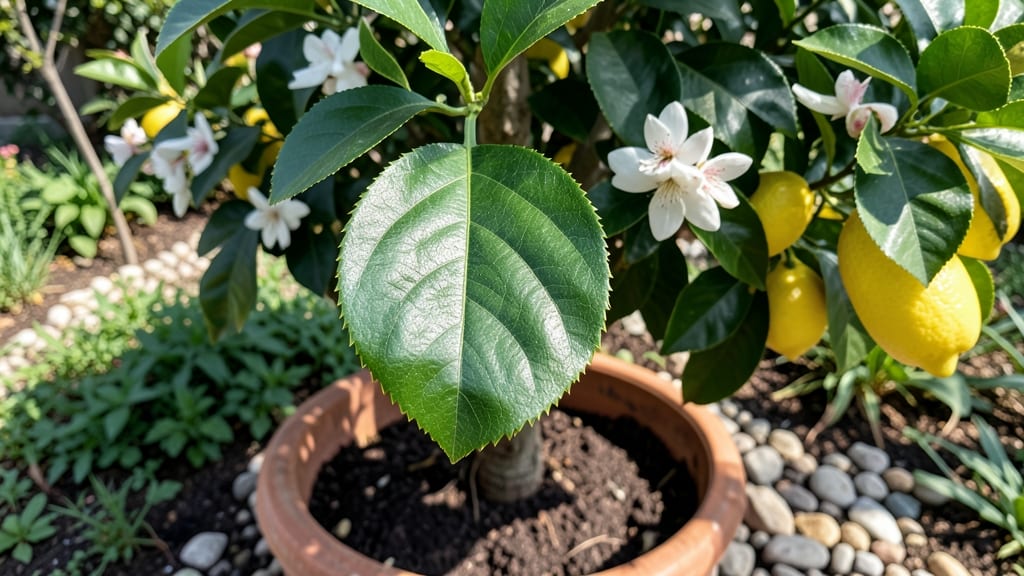
Lemon leaf margin burn shows up as brown, crispy edges on leaves, often with yellowing between veins. This damage happens from overwatering, poor drainage, or too much fertilizer salt, which weakens roots and blocks nutrient uptake. Trim affected leaves and adjust your care routine to bring your plant back to health.
This common issue isn't just ugly—it's a cry for help from your lemon tree. 🌿 When roots struggle to absorb water or nutrients, the plant prioritizes keeping the center of leaves alive while sacrificing the edges. Think of it like a survival mechanism: the tree protects its core functions first.
The good news? Most cases respond well to simple fixes once you identify the root cause. I've seen trees recover completely within weeks when owners adjust their watering schedule and use a mild organic fertilizer to rebuild soil health.
Start by checking your soil's drainage—if water pools after 30 minutes, you've got a problem. A quick soil test can reveal if salt buildup is the culprit, which happens when you fertilize too frequently.
For immediate relief, prune the damaged edges with clean scissors and give your tree a deep watering only when the top inch of soil feels dry. This two-step approach cuts off the damage cycle while giving roots time to recover.
💡 In This Article
- What Causes Lemon Tree Leaf Margin Burn?
- Step-by-Step Recovery Guide for Lemon Leaf Damage
What causes lemon tree leaf margin burn?
The root cause of leaf margin burn lies in how your lemon tree's roots handle water and nutrients. When soil stays too wet for extended periods, roots suffocate from lack of oxygen—a condition called anaerobic stress.
This forces the tree to prioritize water transport to leaf centers while the edges dry out and turn crispy. Think of it like a straw clogged at one end: water reaches the middle but gets blocked from reaching the edges.
Excessive fertilizer salts create another common trigger. When you over-apply nitrogen or potassium, these minerals accumulate in the soil, creating a hypertonic solution that draws moisture out of root cells.
This osmotic imbalance forces roots to work harder just to absorb water, while the leaf margins—being the farthest from the vascular system—suffer first.
A quick test: if white crust forms on your pot's surface, you've got salt buildup that needs flushing with 5-6 gallons of water over 2-3 days. 🌱
Environmental stress plays a surprising role too. Lemon trees thrive at 60-85°F with high humidity. When temperatures exceed 90°F or drop below 50°F, the plant's stomata (pores) close to conserve moisture, but this also blocks nutrient flow to leaf edges.
The result? Margins dry out while the leaf center stays green—a classic sign of transpiration imbalance. This is why you'll often see margin burn flare up during summer heatwaves or winter drafts.
Poor drainage acts as both cause and amplifier. When water pools in the root zone, it creates pockets of anaerobic bacteria that produce toxic compounds like ethanol and acetic acid. These chemicals damage root membranes, reducing their ability to absorb water by up to 40% within days.
The tree's survival response then triggers margin burn as it rationally sacrifices less critical areas. A simple fix: repot in soil amended with 20-30% perlite or pumice to improve aeration.
One often-overlooked factor is pH imbalance. Lemon trees prefer slightly acidic soil (pH 6.0-7.0). When soil becomes too alkaline (pH 7.5+), iron and manganese—essential micronutrients—bind into insoluble forms that roots can't access.
This leads to interveinal chlorosis (yellowing between veins) combined with margin burn. A soil test kit ($10-$15) can reveal if you're dealing with this hidden issue.
What most people don't realize is that these causes often work together. For example, overwatering creates anaerobic conditions that accelerate salt buildup, while high temperatures increase transpiration rates, making margin burn worse.
The key is breaking this cycle by addressing all three factors: water management, nutrient balance, and environmental protection. 🌿