
Leaf Blower
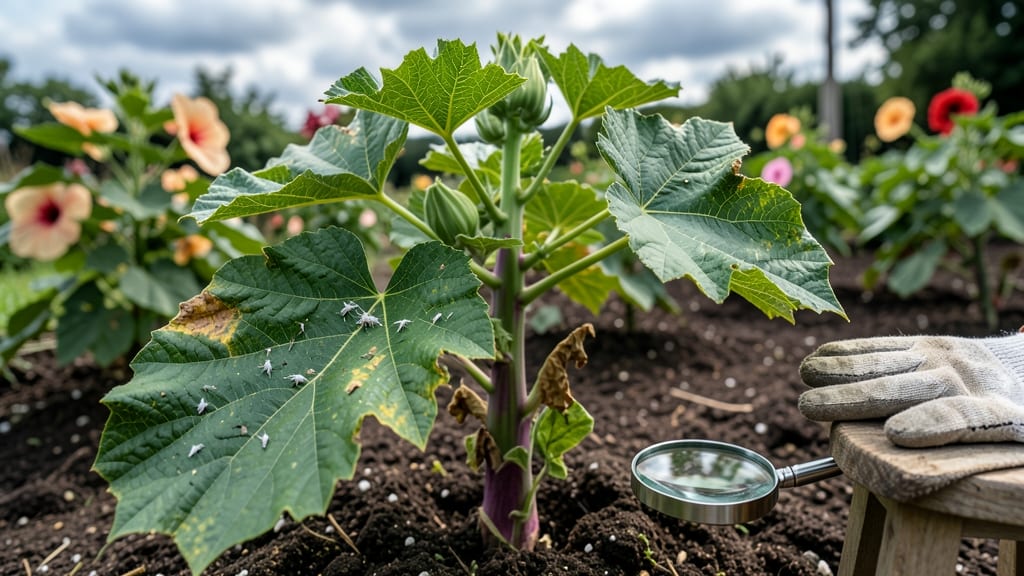
When your okra plants develop leaf curl, it’s usually a fungal infection or pest problem that’s easy to fix with the right pruning and care. 🌱 I’ve seen this happen in my garden when humidity spikes after rain, and the solution isn’t complicated—it’s all about removing infected leaves and improving airflow.
The key is acting fast before the problem spreads to the rest of your plants.
Fungal leaf curl often starts with small, curled leaves that turn yellow or brown over time. Aphids or mites can also cause similar symptoms, but the good news is that pruning out the worst-affected leaves and treating the plants with neem oil or copper fungicide can stop the spread.
I’ve found that keeping the area around okra well-mulched and watering at the base—never overhead—helps prevent fungal issues from returning.
Once you start pruning, focus on removing only the most severely curled leaves and any nearby yellowing foliage. This not only stops the fungus from spreading but also encourages new, healthy growth.
Within a few weeks, your okra plants should bounce back with fresh, straight leaves and continue producing those delicious pods you love.
If the problem persists, check for aphids or mites by examining the undersides of leaves. A strong spray of water or insecticidal soap can help control pests, while proper spacing between plants ensures better airflow. With these steps, your okra should recover and thrive—no more leaf curl in sight!
Root Causes Behind Okra Leaf Curl
Okra’s leaf curl isn’t just a random quirk of nature—it’s usually a sign of stress triggered by specific environmental or biological factors. Understanding these causes is the first step to preventing or managing the issue effectively.
Below, we break down the most common culprits, from fungal infections to environmental mismanagement, with actionable insights for each.
Fungal pathogens like Cercospora or Pseudocercospora are prime suspects behind okra leaf curl. These fungi thrive in warm, humid conditions and infect plants through wounds, spores, or even healthy tissue. Once established, they disrupt cell function, causing leaves to curl, yellow, or develop dark spots.
🔍 Key signs:
- Leaves curl upward or downward with a leathery texture.
- Undersides of leaves may show fuzzy or powdery growth (spores).
- Progressive spread from older to younger leaves.
✨ Why it happens: Fungi release enzymes that degrade the plant’s cell walls, forcing leaves to curl as a defense mechanism. Overhead irrigation or poor air circulation creates the perfect breeding ground for spores to land and germinate.
Okra is a tropical plant that loves warmth, but sudden temperature swings—especially cold snaps or heatwaves—can trigger leaf curl. Cold stress disrupts cellular processes, while excessive heat causes protein denaturation, leading to malformed leaves.
📊 Critical thresholds:
- Cold stress: Temperatures below 50°F (10°C) for prolonged periods.
- Heat stress: Consistent temps above 95°F (35°C) without adequate hydration.
💡 Actionable fix: Use row covers for cold protection and mulch to regulate soil temperature. Drip irrigation during heatwaves ensures roots stay hydrated without wetting foliage (which can invite fungi).
Okra is sensitive to moisture imbalances, whether from drought or overwatering. Both extremes force leaves to curl as a survival tactic—conserving water in dry spells or shedding excess in soggy conditions.
🔥 How it manifests:
- Underwatering: Leaves curl inward, edges crisp, and growth stalls.
- Overwatering: Leaves yellow, curl downward, and roots suffocate (leading to fungal secondary infections).
🌡️ Pro tip: Test soil moisture 1–2 inches deep before watering. Okra prefers consistent moisture but well-draining soil. Avoid wetting leaves (use soaker hoses) to prevent fungal hitchhikers.
Sap-sucking pests like aphids, whiteflies, or spider mites inject toxins into okra leaves, causing curling, stunting, and distorted growth. Their saliva disrupts plant hormones, triggering a defensive curl.
🕵️ How to spot them:
- Sticky residue (honeydew) on leaves.
- Tiny webs (spider mites) or clusters of insects on undersides.
- Leaves may also develop a bronzing or silvering effect.
🎯 Why it happens: Pests feed on phloem (plant sap), starving leaves of nutrients. The curl is the plant’s attempt to minimize damage by reducing surface area.
Viruses like Okra Leaf Curl Virus (OLCV) or Tomato Yellow Leaf Curl Virus (TYLCV) spread via infected seeds, sap-sucking insects, or contaminated tools. These viruses rewire plant DNA, altering leaf shape and stunting growth.
🚨 Red flags:
- Curling paired with yellowing veins (a classic viral symptom).
- Stunted pods or no fruit production despite healthy-looking stems.
- Systemic spread—entire plant shows symptoms.
🔥 Prevention is key: Remove infected plants immediately (do not compost!). Use certified disease-free seeds and sterilize tools with 70% alcohol. Control insect vectors (e.g., whiteflies) with neem oil or insecticidal soap.
Okra needs a balanced diet, and deficiencies in nitrogen, magnesium, or calcium can cause leaf curl. Each nutrient plays a role in cell structure and enzyme function—without them, leaves can’t grow straight.
📊 Deficiency symptoms:
Nutrient
Leaf Curl Signs
Action
Nitrogen (N)
Older leaves curl upward, turn yellow (chlorosis).
Apply balanced fertilizer (10-10-10) or compost.
Magnesium (Mg)
Interveinal yellowing (between veins), leaves curl downward.
Use Epsom salt (magnesium sulfate) in water every 2 weeks.
Calcium (Ca)
New leaves curl, edges cup upward (blossom-end rot’s cousin).
Add crushed eggshells or calcium nitrate to soil.
💡 Soil test first! A simple $20 soil test reveals deficiencies before symptoms appear.
Fixing Okra Leaf Curl Naturally
Okra leaf curl can feel like a frustrating setback, but with the right approach, you can restore your plants to healthy growth—without relying solely on harsh chemicals.
Below, we’ve mapped out practical, cause-specific solutions to tackle the issue head-on, plus preventative tips to keep your okra thriving. Let’s get your plants back on track!
If leaf curl stems from a fungal pathogen (like Cercospora or Xanthomonas), your first line of defense is pruning and improving airflow.
Step-by-Step Fix:
🔪 1. Remove Infected Leaves
- Use sterilized pruning shears (wipe with rubbing alcohol between cuts) to snip off yellowed, curled, or spotted leaves.
- Dispose of them in the trash not the compost—fungi can survive and spread.
🌿 2. Thin Out the Canopy
- Okra plants grow bushy, but dense foliage traps moisture. Prune back overcrowded branches to allow sunlight and air to circulate.
- Aim for 12–18 inches of space between plants for optimal airflow.
💦 3. Adjust Watering Habits
- Water at the base (avoid overhead sprinkling) to keep leaves dry.
- Water early in the day so foliage has time to dry before evening humidity sets in.
- Reduce frequency—okra prefers 1–1.5 inches of water per week (check soil moisture before watering).
🍄 4. Apply Fungicidal Sprays (Organic Options) | Solution | How to Use | Frequency | |----------------------------|-------------------------------------------------------------------------------|-----------------------------| | Neem Oil Spray | Mix 1 tbsp neem oil + 1 tsp mild soap + 1 quart water.
Spray evenly on leaves (undersides too!). | Every 7–10 days until new growth appears. | | Baking Soda Spray | Combine 1 tbsp baking soda + 1 quart water + few drops of soap.
Spray directly on leaves. | Every 5–7 days (rotate with neem). | | Copper Fungicide | Use a ready-made organic copper spray (follow label instructions). | Every 10–14 days. |
💡 Pro Tip: For severe cases, alternate sprays (e.g., neem one week, copper the next) to prevent fungal resistance.
If mites, aphids, or whiteflies are the culprits, targeted pest control is key.
Step-by-Step Fix:
🕷️ 1. Inspect for Pests
- Check leaf undersides and new growth for tiny webs (spider mites), sticky residue (aphids), or white fly specks.
- Shake plants over a white tray—flying pests will reveal themselves.
💦 2. Blast Them Off
- Spray plants with water (especially undersides) to dislodge pests. Repeat 2–3 times daily for 3 days.
- Use a strong stream of water from a hose to knock off stubborn infestations.
🌿 3. Introduce Beneficial Insects
- Ladybugs (eat aphids), lacewings (devour mites), or parasitic wasps (target whiteflies) can be ordered online or released from local garden centers.
- Plant companion crops like marigolds or basil to attract natural predators.
🧴 4. Apply Insecticidal Soap or Oil - Insecticidal soap (like Safer® Brand) or horticultural oil (e.g., JMS Stylet Oil) can suffocate pests. - Mix: 1 tbsp soap/oil per 1 quart water.
Spray directly on pests (avoid blooms if spraying flowers). - Reapply every 5–7 days until pests disappear.
💡 Pro Tip: Avoid chemical pesticides—they can kill beneficial insects and disrupt the ecosystem.
If leaf curl is due to heat stress, poor soil, or nutrient deficiencies, focus on optimizing the growing environment.
Step-by-Step Fix:
☀️ 1. Provide Shade Cloth (If Needed)
- Okra thrives in full sun (6–8 hours/day), but afternoon shade (30–50% shade cloth) can help in extreme heat (above 90°F/32°C).
- Remove shade cloth once temperatures drop below 85°F (29°C).
🌱 2. Improve Soil Health - Test soil pH (ideal: 6.0–6.8).
Amend with lime (to raise pH) or sulfur (to lower pH) if needed. - Add compost or well-rotted manure for nitrogen, phosphorus, and potassium. - Mulch with straw or grass clippings to retain moisture and regulate soil temp.
💧 3. Fertilize Correctly
- Avoid high-nitrogen fertilizers (they promote leafy growth over pods).
- Use a balanced fertilizer (e.g., 10-10-10) or okra-specific fertilizer with more phosphorus (P) for flowering.
- Apply every 3–4 weeks during the growing season.
💡 Pro Tip: Overwatering or underwatering can stress okra. Stick your finger 1 inch into soil—water if it’s dry.
Once your okra recovers, keep these habits to prevent leaf curl from returning:
✅ Rotate crops—avoid planting okra in the same spot yearly (fungal pathogens build up in soil). ✅ Start with disease-resistant varieties like ‘Clemson Spineless’ or ‘Emerald’. ✅ Sanitize tools before and after pruning to prevent spreading pathogens. ✅ Monitor plants weekly—early detection = easier fixes! ✅ Encourage biodiversity—plant flowers like nasturtiums to attract pest-eating insects.
By addressing the root cause (fungus, pests, or stress) and following these simple, actionable steps, your okra plants should bounce back stronger than ever. Happy gardening! 🌱🍆
Frequently asked questions
Can I still harvest okra pods if the leaves are curling?
Yes, you can still harvest pods from okra plants with curled leaves, but focus on healthy-looking pods only. The plant will continue producing for a few weeks even with leaf issues. Avoid harvesting from severely infected plants (especially if fungal) to prevent spreading spores to other plants.
How do I tell if my okra's leaf curl is from pests or fungus?
Check the undersides of leaves: pests (like aphids or mites) leave sticky residue or tiny webs, while fungus shows powdery spots or fuzzy growth. Pests often cluster on new growth, whereas fungal curl spreads progressively from older leaves. Examine with a magnifying glass if unsure.
Will pruning help if my okra plants already have leaf curl?
Pruning infected leaves immediately stops fungal spread and improves airflow. Use sterilized shears to remove only the worst-affected leaves—never more than 30% of the plant at once. This encourages new growth while reducing stress on the plant.
Can I save my okra plants if they have viral leaf curl?
Unfortunately, no—viral infections like Okra Leaf Curl Virus have no cure. Remove infected plants completely (including roots) and sterilize tools. Use disease-free seeds next season and control insect vectors (like whiteflies) to prevent reinfection.
How often should I spray neem oil to prevent leaf curl?
Apply neem oil every 7–10 days during humid seasons or when you first notice symptoms. Mix 1 tbsp neem oil + 1 tsp soap per quart of water and spray evenly on both leaf sides. Stop spraying 2 weeks before harvest to avoid residue.