
Pests
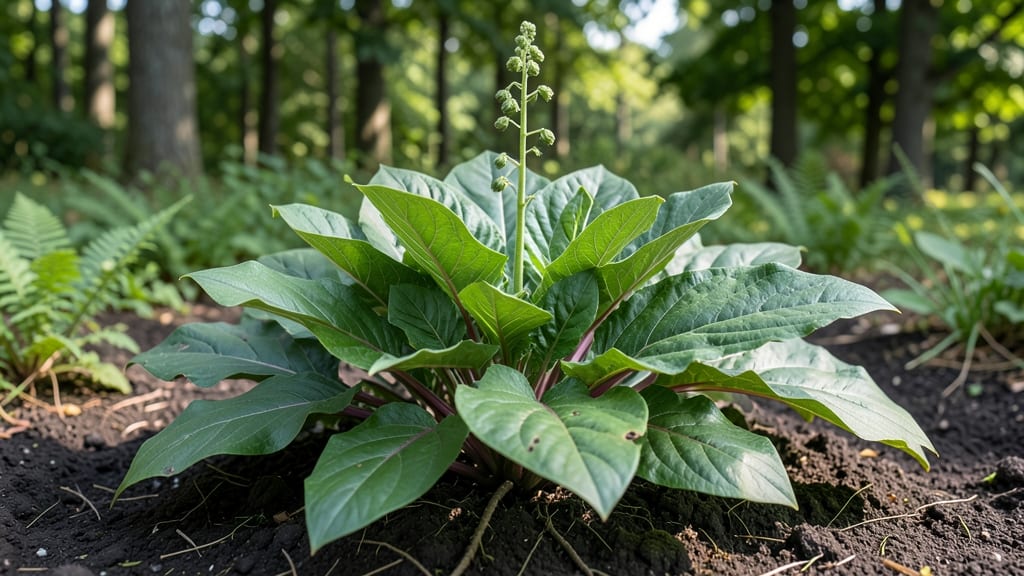
That stubborn large round leaf weed creeping into your garden isn’t just ugly—it’s stealing nutrients from your prized plants. 🌱 I’ve pulled more of these tenacious invaders than I’d like to admit, and I’ve learned the three steps that actually work to get rid of them for good.
The worst offenders? Dollarweed, pennywort, and those sneaky broadleaf weeds like dandelions. They spread fast, choke out your flowers, and make your garden look unkempt.
But here’s the good news: a little elbow grease, the right tools, and a few smart tricks can turn your weed problem into a thing of the past. Start by hand-pulling on a dry day when the soil is loose—those roots come out easier than you’d think.
Then, smother what’s left with mulch or cardboard to block sunlight. For stubborn patches, targeted herbicides work, but only as a last resort. The real secret? Preventing them in the first place. Healthy soil, thick mulch, and smart planting keep weeds from taking hold.
Let’s make your garden the envy of the neighborhood again.
Root Causes of Leafy Invaders
Understanding why large round-leafed weeds take over your garden or lawn starts with recognizing the perfect storm of conditions they thrive in. These resilient plants—often including species like dollarweed, pennywort, or water lettuce—don’t just appear by chance.
They exploit specific environmental and human-made factors. Let’s break down the key drivers behind their rapid spread and persistence.
Large round-leafed weeds flourish in soil that’s already primed for growth. Here’s why: - Over-fertilization: Excess nitrogen (common in lawn fertilizers) creates a greenhouse effect for weeds, giving them a competitive edge over grass or slow-growing plants.
Weeds like dollarweed (Hydrocotyle umbellata) thrive in moist, fertile soil, often outcompeting desired vegetation. - Freshly turned or compacted soil: Disturbing soil—whether through tilling, construction, or foot traffic—exposes bare patches where weed seeds germinate.
Compacted soil also strangles grass roots, leaving gaps for weeds to colonize. - Organic matter buildup: Decomposing leaves, mulch, or compost can create micro-habitats rich in nutrients, attracting weed seeds. For example, pennywort (Hydrocotyle vulgaris) spreads via rhizomes (underground stems) that thrive in damp, organic soil.
Actionable fix: Test your soil’s pH and nutrient levels. If nitrogen is high, switch to a slow-release, weed-suppressing fertilizer (like iron-based products) or apply corn gluten meal (a natural pre-emergent).
Weeds with large, round leaves often love water—literally. Species like water lettuce (Pistia stratiotes) or floating heart (Nymphoides) dominate wet, stagnant areas because: - Standing water: Ponds, boggy lawns, or poorly drained garden beds create ideal breeding grounds for aquatic or semi-aquatic weeds.
These plants absorb water directly through their leaves, bypassing the need for deep roots. - Overwatering: While drought-stressed soil can kill weeds, consistent moisture (especially in shady areas) encourages their growth.
For instance, dollarweed spreads via stolons (horizontal runners), which root at every node when soil stays damp. - Irrigation runoff: Sprinklers or drip systems that oversaturate certain zones can turn those spots into weed magnets. Runoff also washes seeds into cracks or crevices, where they germinate.
Actionable fix:
- Install French drains or swales to redirect water away from problem areas.
- For lawns, adjust sprinklers to water deeply but infrequently (early morning is best).
- In ponds, use barriers or floating covers to block sunlight and starve submerged weeds.
While some weeds tolerate sun, many large-leafed varieties prefer shade because: - Reduced competition: Under trees, dense shrubs, or tall plants, grass and ground covers struggle, leaving open space for weeds like wild violet (Viola sororia) or ground ivy (Glechoma hederacea) to spread unchecked. - Moist, cool conditions: Shady areas retain moisture longer, creating a microclimate that mimics the natural habitats of many weeds.
For example, liverworts (a type of non-vascular "weed") thrive in damp, shaded soil. - Slow decomposition: Organic matter breaks down slower in shade, feeding weeds while starving out sunlight-loving plants.
Actionable fix:
- Mulch heavily (3–4 inches of wood chips or pine straw) to block light and suppress weed seeds.
- Plant dense ground covers like clover or creeping thyme to outcompete weeds naturally.
- Thin out overgrown shrubs or prune trees to improve airflow and sunlight penetration.
Weeds don’t just sprout—they hitchhike on human behavior. Large round-leafed weeds often spread via: - Contaminated tools or soil: Shovels, rakes, and even shoes can carry weed fragments or seeds from one area to another.
For example, nutgrass (Cyperus rotundus) spreads via tuberous roots that cling to equipment. - Compost and mulch: Homemade compost may contain dormant weed seeds that germinate when applied.
Store-bought mulch can also introduce species like bindweed (Convolvulus arvensis). - Water movement: Boats, fishing gear, and even rainwater runoff can transport floating weeds like water hyacinth (Eichhornia crassipes) to new locations.
Actionable fix:
- Clean tools with a 10% bleach solution or scrubbing brush after use.
- Avoid using untreated compost near high-value areas; opt for composted manure or commercial weed-free mulch.
- Inspect plants before purchasing—many nursery weeds (like alternanthera) spread via contaminated soil.
Not all weeds are year-round pests—some time their growth to exploit seasonal weaknesses: - Spring and fall: Cool, moist conditions trigger dormant weed seeds to germinate.
Species like henbit (Lamium amplexicaule) thrive in early spring before lawns fill in. - Summer heat: While many plants wilt, shade-tolerant weeds (like toothwort) take over as grass goes dormant. - Regional adaptability: Weeds like dandelions (Taraxacum officinale) dominate in cool, temperate climates, while sedge (Cyperus) prefers humid, tropical zones.
Actionable fix:
- Pre-emergent herbicides (applied in early spring) can stop seeds before they sprout.
- Mow high (3–4 inches) in summer to shade out weeds and retain moisture.
- Monitor seasonal patterns—if weeds flare up in spring, plan preventive measures (like mulching) in late winter.
Eliminate Unwanted Leafy Invaders
Now that you know why those pesky large round-leafed weeds keep popping up, it’s time to take action! Whether they’re crowding your garden, choking your lawn, or just looking unsightly, these solutions will help you reclaim your space—without breaking a sweat.
Below, we’ve mapped out practical fixes based on the most common causes, from manual removal to long-term prevention.
If your garden is smothered in broadleaf weeds with thick, round leaves (like dollarweed or pennywort), manual removal is your first line of defense—but do it right to avoid regrowth.
🔥 Step 1: Choose the Right Time
- Pull when soil is moist (after rain or watering) to make roots easier to remove.
- Early morning or late afternoon reduces stress on plants and weeds.
🍳 Step 2: The Right Tools for the Job
- Hand weeding: Use a hula hoe or weeding knife for stubborn roots.
- Gloves are a must—some weeds (like lamb’s quarters) can irritate skin.
- For thick mats: A garden fork can help loosen deep roots.
👨🍳 Step 3: Remove the Whole Plant
- Grasp the base (not just the leaves) and twist gently to pull the root.
- Check for regrowth—if any leaf fragments remain, they’ll sprout new plants.
- Dispose properly: Bag and trash weeds (especially seed-bearing ones) to prevent spread.
⏰ Step 4: Prevent Regrowth
- Mulch heavily (2–3 inches of straw or wood chips) to block sunlight.
- Replant quickly with dense ground covers (like clover or creeping thyme) to outcompete weeds.
If your lawn is infested with large, round-leaved weeds (like creeping Charlie or broadleaf plantains), chemical or natural methods can help—but timing and technique matter.
🌡️ Option 1: Natural Smothering (Best for Small Areas)
- Lay cardboard or thick layers of newspaper over the weeds, then cover with 4–6 inches of mulch.
- Wait 4–6 weeks—weeds will decompose, and grass/shrubs can be replanted.
- Pro tip: 💡 Water thoroughly before smothering to speed up decomposition.
🎯 Option 2: Selective Herbicides (For Stubborn Weeds)
- Spot-treat with a vinegar-based herbicide (10–20% acetic acid) for organic control.
- Mix: 1 gallon white vinegar + 1 oz dish soap + 1 quart water.
- Spray on a sunny day (direct sunlight enhances effectiveness).
- For tough weeds like bindweed: Use a glyphosate-based herbicide (follow label instructions carefully).
- ⚠️ Safety first: Avoid spraying near desired plants—test a small area first.
✨ Option 3: Flame Weeding (Fast & Chemical-Free)
- Use a propane weed torch to burn weeds at the base (great for driveways and sidewalks).
- Works best on young, thin weeds—thick mats may require multiple passes.
- ⚠️ Warning: Only use on non-flammable surfaces and avoid windy days.
The best way to deal with large-leafed weeds? Stop them before they start. Here’s how:
| Problem | Prevention Tip | How to Do It |
|---|---|---|
| Poor Soil Health | Improve drainage & fertility | Add compost, test soil pH, aerate compacted areas. |
| Overwatering | Water deeply but less frequently | Use drip irrigation; water early in the day. |
| Thin Plantings | Plant densely to block sunlight | Use ground covers (e.g., ajuga, sedum). |
| Seed Spread | Remove weeds before they go to seed | Pull early, bag seeds, or use a seed trap (like a shallow box filled with soil). |
| Lawn Neglect | Mow high & fertilize regularly | Keep grass at 3–4 inches to shade out weeds. |
If your weed problem is spreading rapidly or you’re dealing with invasive species (like Japanese knotweed), it’s time to bring in the pros.
A local landscape or pest control expert can: - Identify the exact species (some look-alikes require different treatments). - Apply targeted solutions (like pre-emergent herbicides for seed prevention). - Restore your soil with beneficial microbes to crowd out weeds naturally.
Final Thought: 🌿 Consistency is key—weeds don’t disappear overnight, but with regular maintenance, you’ll see a dramatic difference in weeks. Start with one method, monitor progress, and adjust as needed. Your garden (and sanity) will thank you!
Frequently asked questions about large round-leaf weeds
What are the most common types of large round-leaf weeds in gardens?
You’ll most likely encounter dollarweed, pennywort, creeping Charlie (ground ivy), and dandelions. Dollarweed and pennywort spread aggressively via runners, while dandelions send deep taproots that make them tough to remove. These weeds thrive in moist, fertile soil and often appear in shady or disturbed areas.
How can I tell if a round-leaf plant is actually a weed or a beneficial plant?
Check the plant’s growth habit: weeds like dollarweed and pennywort form dense mats, while beneficial plants (like hosta or wild strawberry) have more organized growth patterns. Weeds often lack flowers or produce small, insignificant blooms. If you’re unsure, snap a photo and compare it to local plant databases or consult a nursery expert.
Is vinegar an effective way to kill large round-leaf weeds?
Yes, but it requires the right concentration and timing. Use a mix of 1 gallon white vinegar (20% acetic acid) + 1 oz dish soap + 1 quart water, applied on a sunny day. The vinegar burns the leaves, while the soap helps it stick. Repeat every 3-5 days for stubborn weeds like creeping Charlie. Avoid spraying near desired plants—vinegar is non-selective!
Why do large round-leaf weeds keep coming back after I pull them?
Most likely, you’re missing the roots or leaving fragments behind. Weeds like dollarweed spread via underground runners, so dig deep (at least 2-3 inches) and check for any remaining stems. For persistent weeds, smother them with cardboard + mulch or apply a pre-emergent herbicide in early spring to prevent regrowth.
Can I use mulch to prevent large round-leaf weeds from growing?
Apply 3-4 inches of organic mulch (wood chips, straw, or pine needles) around plants to block sunlight and suppress weed seeds. For existing weeds, lay down cardboard or newspaper first, then top with mulch. Just avoid piling mulch against tree trunks to prevent rot. Replenish mulch every 6-12 months for best results.