
Lawn
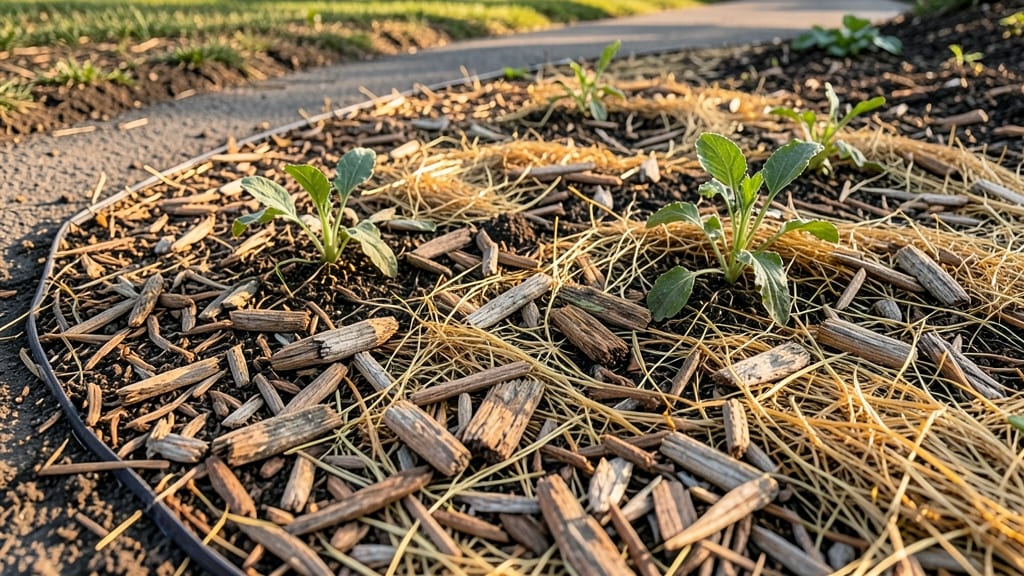
Virginia’s warm climate and diverse ecosystems create perfect conditions for broadleaf weeds to thrive. Learn to identify these 10 most common broadleaf weeds, how to eradicate them effectively, and proven prevention strategies to keep your garden weed-free for seasons to come.
Common Chickweed Identification and Removal
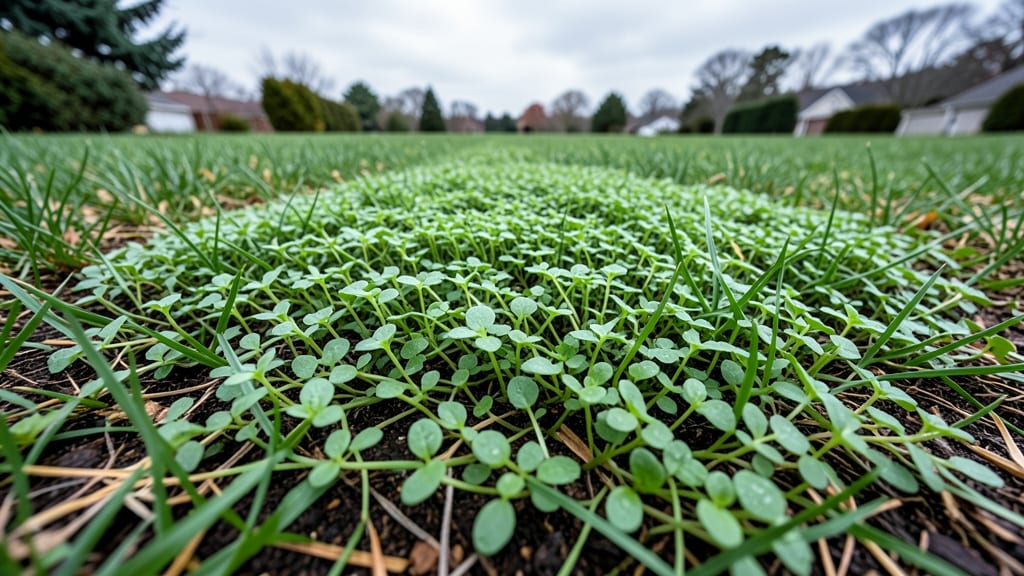
If you’ve ever spotted a delicate, sprawling green mat in your lawn or garden beds, you’re likely looking at common chickweed—a fast-spreading broadleaf weed that thrives in Virginia’s mild winters. This annual weed spreads aggressively through tiny seeds and can smother your grass or garden plants if left unchecked.
To identify it, look for its small, oval leaves arranged in pairs along the stems, and its delicate white flowers that appear in spring and fall. The key to controlling chickweed is to remove it before it seeds, typically in early spring or late summer. Use a weeding tool or your hands to pull it up from the roots, ensuring you don’t leave any fragments behind that could regrow.
Chickweed is especially troublesome in shaded or moist areas, so improving drainage and ensuring your lawn or garden gets adequate sunlight can help prevent its return. Regularly monitoring and removing it early will save you from a full-blown infestation later in the season. 🌱
Dandelion Life Cycle and Organic Control
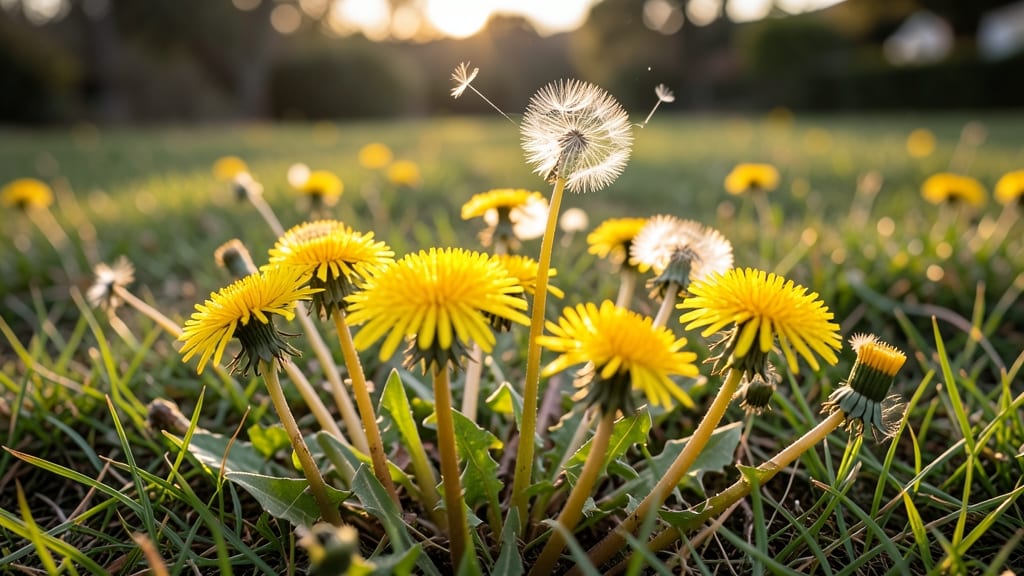
If you’ve ever blown a dandelion’s seed puff and cursed the tiny parachutes drifting away, you’re not alone—these bright yellow invaders dominate Virginia lawns with ease. The secret to stopping them lies in understanding their life cycle, which moves faster than you might think.
Dandelions start as low-growing rosettes in early spring, then bolt to 6-12 inch stalks by April. Each plant produces 100-200 seeds per flower, and those seeds can lie dormant for years. To break the cycle, pull young rosettes before they flower (use a fork to avoid breaking the taproot), or smother them with cardboard mulch in fall to starve out seedlings. For established plants, cut the flower heads off daily for a week to prevent seed production—no chemicals needed!
This method works best for urban gardeners and eco-conscious homeowners who want to protect pollinators while keeping their lawns tidy. 🌻
Henbit Weed: Winter Survival Strategies
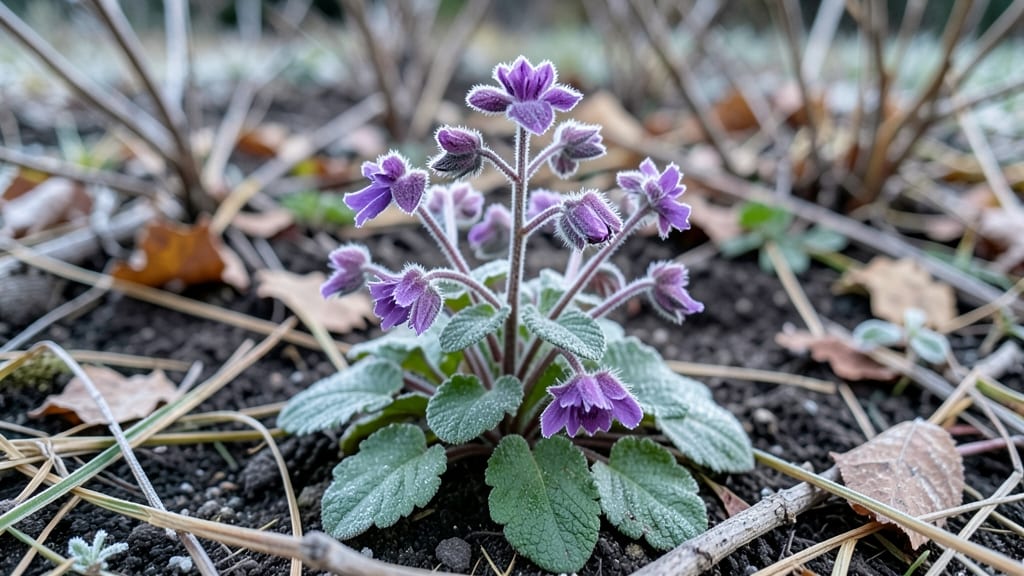
That fuzzy purple bloom popping up in your late-winter garden? It’s likely henbit, a cold-hardy weed that thrives when other plants sleep. Unlike spring ephemerals, henbit’s square stems and minty scent make it easy to spot if you know what to look for.
This winter annual germinates in fall, grows through winter, and explodes with flowers by early spring—often smothering seedlings before they emerge. The key to control is acting before flowering: hand-pull young plants or smother them with thick mulch. For established patches, a targeted dose of vinegar-based herbicide (20% acetic acid) works well in winter when desirable plants are dormant.
Virginia gardeners will find henbit especially stubborn in disturbed soils or areas with poor drainage. Prioritize removal in February-March to prevent seed production and give your spring crops a fighting chance. 💚
Purslane Weed: Succulent Broadleaf Invader
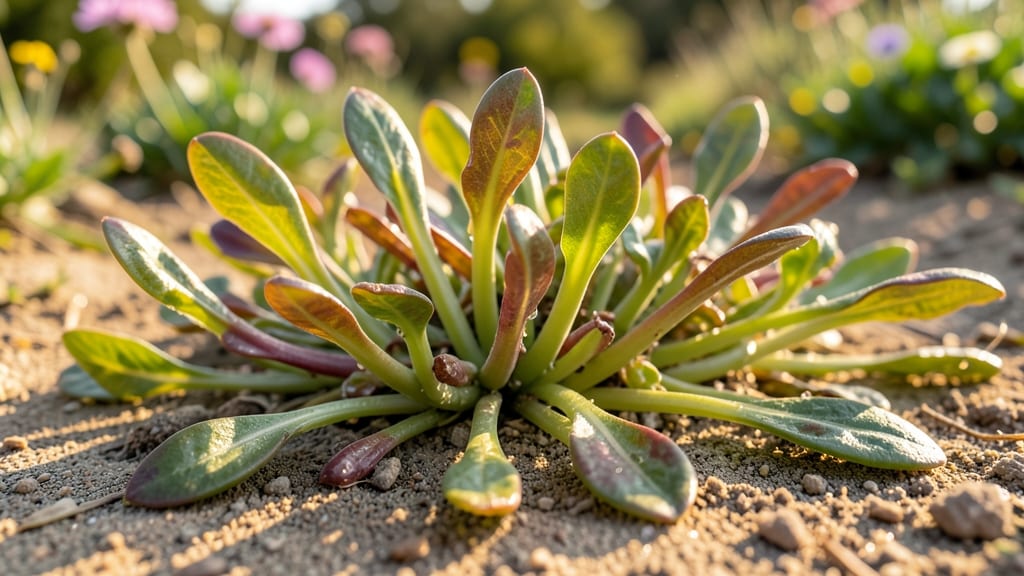
If you’ve ever pulled a thick, water-filled weed from your garden and wondered why it keeps coming back, you’ve likely encountered purslane. This drought-resistant broadleaf thrives in Virginia’s sandy soils by storing moisture in its fleshy stems and leaves, making it nearly impossible to kill with typical watering strategies.
Purslane spreads aggressively through its prostrate growth habit and tiny seeds, often forming dense mats that smother desired plants. Unlike other weeds, it doesn’t wilt easily—even during dry spells—because its succulent structure conserves water. For removal, pull it when soil is moist to avoid breaking off the root, and consider mulching with straw to block sunlight and prevent regrowth.
This weed is especially problematic in sandy soils where water drains quickly, as purslane’s water-storing ability gives it a competitive edge. Gardeners in Virginia’s Piedmont and Coastal Plain regions should prioritize early removal before it seeds, as each plant can produce thousands of seeds per season. 💪
Clover Identification and Natural Suppression
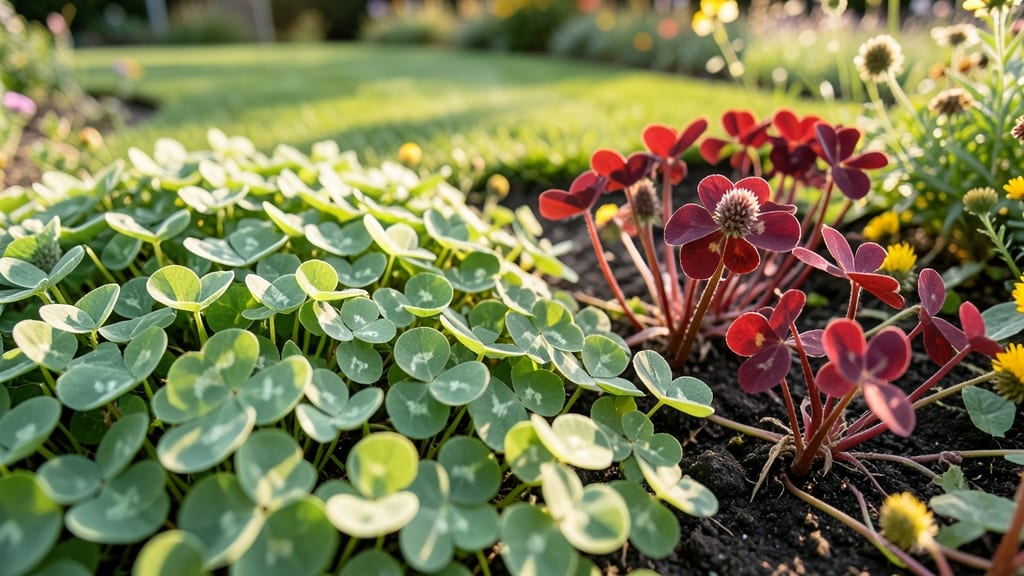
Not all clover is created equal—and while some gardeners welcome its nitrogen-fixing benefits, others battle its aggressive spread that can smother lawns and garden beds. The key to control starts with distinguishing between white clover (with rounded leaf edges) and red clover (with notched, heart-shaped leaves), both common in Virginia.
To suppress clover naturally, mow lawns regularly at 2.5–3.5 inches to weaken its growth, and overseed with tall fescue or ryegrass to crowd it out. For garden beds, apply a thick layer of organic mulch (like wood chips or straw) to block sunlight. Hand-pulling works best when the soil is moist, and targeting clover before it flowers prevents seed spread. 🌱
Plantain Weed: Broadleaf with Deep Roots
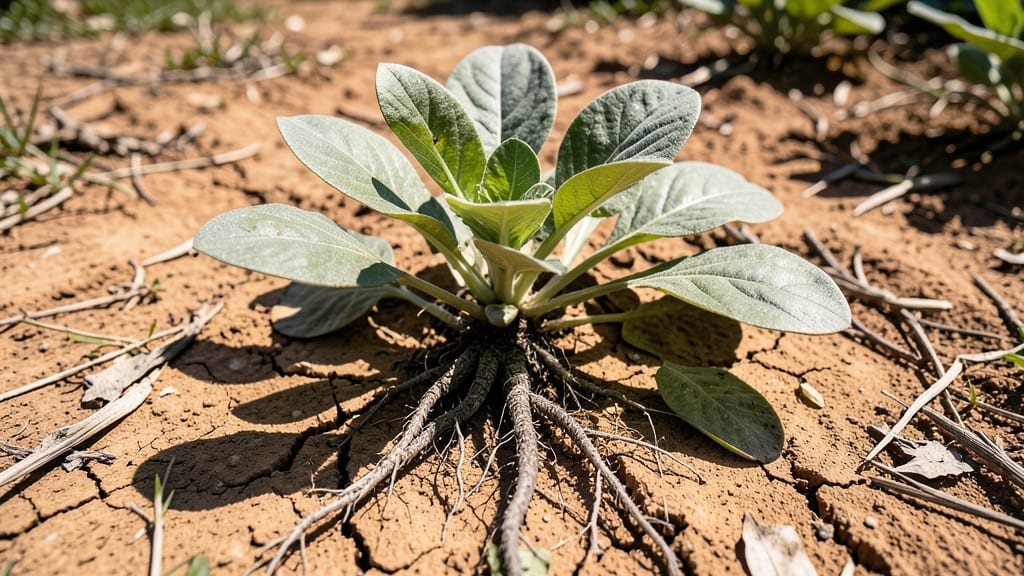
If you’ve ever pulled a weed only to see it sprout back within weeks, you’re likely dealing with broadleaf plantain—a tough broadleaf weed with a deep taproot that survives mowing and foot traffic. Unlike shallow-rooted weeds, its persistence makes traditional removal methods frustratingly ineffective.
To eliminate it for good, dig out the entire root system using a dandelion weeder or trowel, aiming for 3-4 inches deep. Avoid leaving fragments behind, as even small pieces can regrow. For large infestations, apply vinegar-based herbicides directly to the leaves (repeating every 2-3 days for best results). Mulching with thick layers of cardboard or wood chips smothers new growth before it establishes.
This weed thrives in compacted soil, so improving drainage and aerating your lawn or garden beds can weaken its dominance. Perfect for homeowners with high-traffic areas or lawns, mastering plantain removal ensures a cleaner, healthier outdoor space. 💪
Spotted Knapweed: Invasive Threat in Virginia
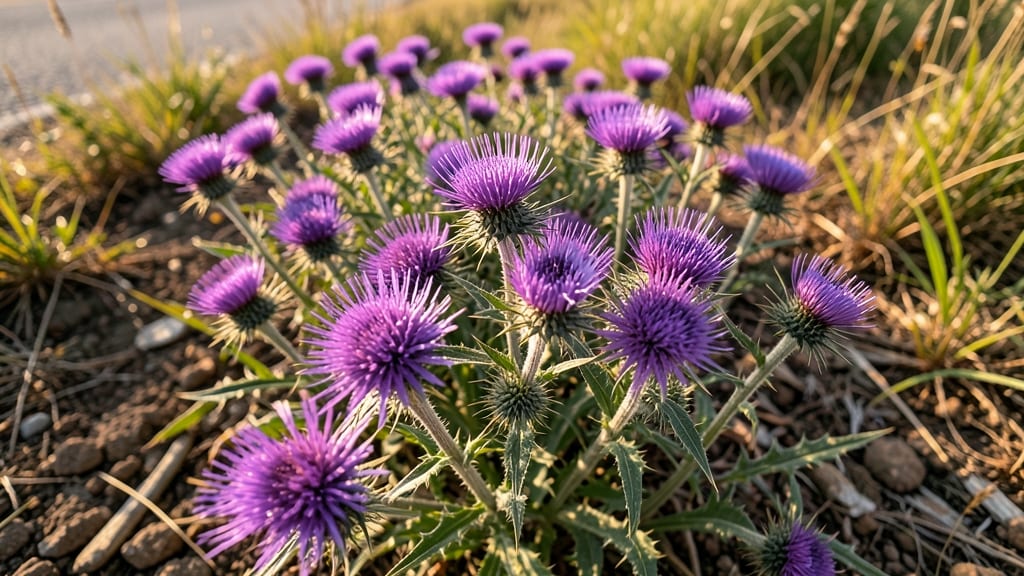
If you’ve ever spotted clusters of purple, thistle-like flowers along roadsides or disturbed soil in Virginia, you may be looking at spotted knapweed—a highly invasive broadleaf weed that outcompetes native plants and degrades habitats. Unlike other weeds, this aggressive intruder produces spiny bracts beneath its flower heads, making it nearly impossible for livestock or wildlife to graze.
To stop its spread, act before seed production (late summer to fall). Hand-pull young plants with gloves, ensuring you remove the entire root system to prevent regrowth. For larger infestations, spot-treat with vinegar-based herbicides (20-30% acetic acid) or smother with thick mulch. Avoid tilling, as it spreads buried seeds. Virginia’s dry, sunny fields are prime real estate for this weed, so monitor disturbed areas closely.
Land managers and home gardeners alike should prioritize early detection—this weed forms dense stands that crowd out native wildflowers and grasses. 💪
Creeping Charlie: Lawn Smotherer with Square Stems
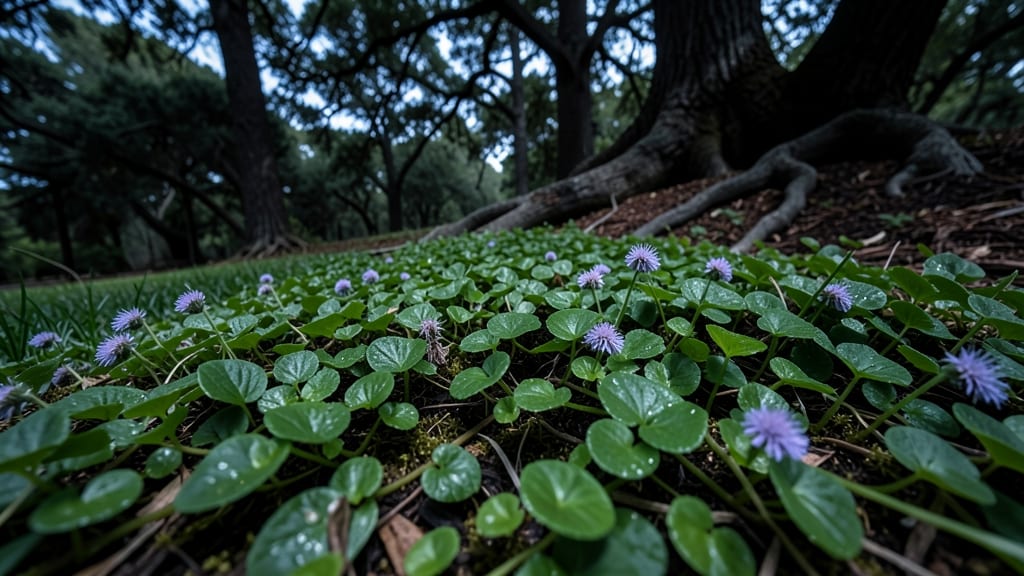
If your shaded lawn looks like a ground ivy carpet instead of grass, you’re dealing with Creeping Charlie—a tenacious mint-family weed that thrives under trees and shrubs. Unlike other broadleaf weeds, its square stems (like mint) and kidney-shaped leaves make it easy to spot once you know what to look for.
This weed spreads via stolons (horizontal stems) that root at nodes, creating dense mats. For removal, pull it early in the season (spring or fall) when soil is moist, or smother it with thick layers of mulch to block sunlight. Avoid herbicides near desirable plants, as Creeping Charlie’s mint-family roots make it resistant to some treatments. A vinegar-based spray (3% acetic acid) works well for spot treatment.
Shade-loving gardeners and homeowners with mature landscapes will appreciate this targeted approach—it preserves your lawn’s health while keeping this aggressive spreader in check. 🌿
Smartweed Identification and Seasonal Control
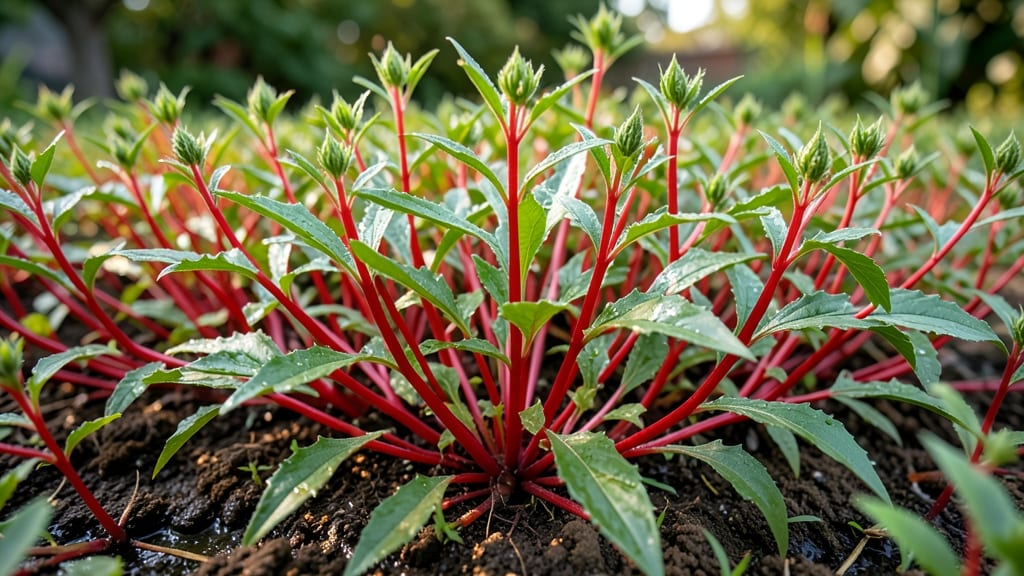
If you’ve ever spotted bright red stems and arrowhead-shaped leaves in your summer garden, you’re likely dealing with smartweed—a fast-spreading broadleaf weed that thrives in moist soil. This aggressive plant produces thousands of seeds, making early removal your best defense before it takes over.
Smartweed typically emerges in late spring to early summer, favoring damp areas like garden beds, pond edges, and low-lying lawns. Its juicy stems and rapid growth make it hard to pull by hand, so use a weed puller or dig carefully to avoid breaking off root fragments. For persistent patches, apply a vinegar-based herbicide in mid-summer when the plant is actively growing but before seed heads form.
Gardeners with wet or clay-heavy soils in Virginia should prioritize smartweed control, as it thrives in these conditions. Removing it early prevents seed spread and protects your plants from competition. 💪
Preventing Broadleaf Weeds with Mulch

Tired of spending hours pulling broadleaf weeds only to see them return? The secret weapon for Virginia gardeners is mulch—a simple yet powerful barrier that blocks sunlight and suppresses weed seeds before they germinate.
For Virginia’s climate, wood chips and straw work best, breaking down slowly to enrich soil while smothering weeds. Apply a 3-4 inch layer around plants (but keep it 2 inches away from tree trunks to prevent rot). Replenish annually in spring—this creates a long-term shield against weeds like dandelions and chickweed without chemicals.
Urban gardeners and beginners will love this low-maintenance solution. Just combine mulching with occasional hand-pulling of established weeds, and you’ll transform your garden into a weed-resistant haven. 💚