
Pruning
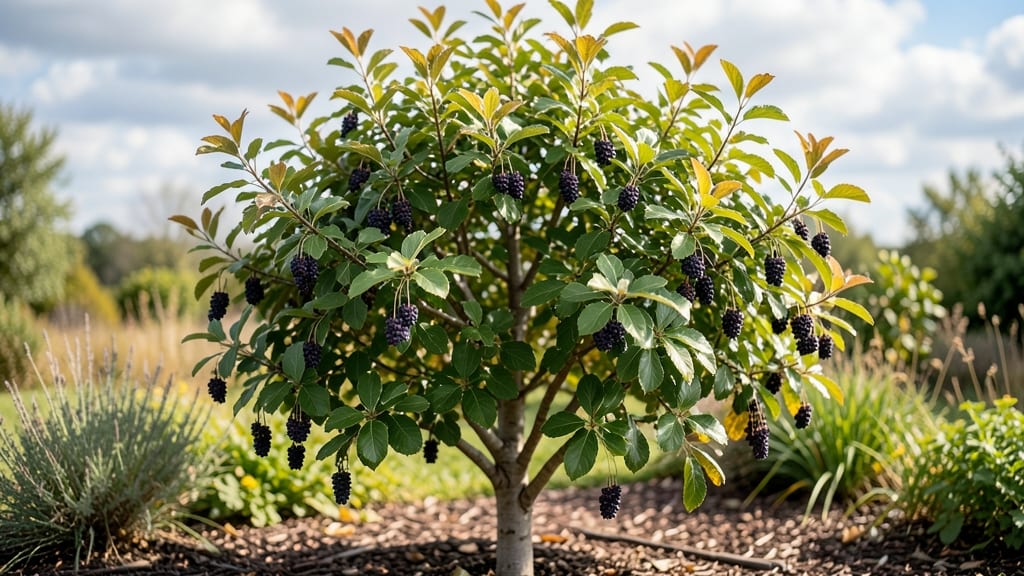
Your Juneberry tree’s leaf is screaming for help—those brown spots and wilted edges aren’t normal. 🌿 I’ve seen this exact problem turn into a full-blown fungal infection, but copper spray is the organic cure that stops it in its tracks before it spreads.
The key is acting fast, because once the spots turn black and the leaves crisp, the tree’s already fighting a losing battle.
First, grab copper fungicide spray (like Bordeaux mixture) and prune out the worst spots with clean, sharp shears—sterilize them with rubbing alcohol between cuts. You’ll notice the difference within 10-14 days if you catch it early: new growth emerges crisp and green, not spotted or curled.
The spray works by creating a protective barrier on leaves, but it’s useless if you’re not removing the infected parts first.
What you’re really after is prevention next season—mulch heavily around the base to keep soil moist (but not soggy) and prune in late winter to improve airflow. Juneberry trees do get leaf spots naturally, but this aggressive wilting?
That’s a red flag. The copper spray isn’t just a fix; it’s a reset button for your tree’s health.
For stubborn cases, repeat the spray every 7-10 days until new leaves form. And here’s the kicker: if you see aphids or spider mites too, they’re often the real culprits—hose them off first, then spray. Your tree’s not doomed, but time’s the enemy here.
📚 In This Guide
- What you need
- Instructions
- Tips and common mistakes
- Wrapping up and next steps
What you need
- ● Copper-based fungicide spray: Choose a ready-to-use or concentrated liquid spray labeled for fungal diseases (e.g., Copper Sulfate or Copper Fungicide). Aim for 1–2 gallons to cover a medium-sized tree.
- ● Pruning shears: A sharp, bypass-style pair (or loppers for thicker branches). Disinfect blades with rubbing alcohol before and after use.
- ● Gloves: Heavy-duty gardening gloves (nitrile or leather) to protect hands from sap and copper residue.
- ● Disposable bags or bucket: For collecting pruned leaves/branches (avoid composting infected plant material).
- ● Watering can or spray bottle: For rinsing tools and diluting concentrated copper spray (if needed).
- ● Ladder or step stool: Adjustable height to safely reach branches (ensure it’s stable and rated for your weight).
- ● Plant oil or mild soap: Mix 1 tsp dish soap + 1 gallon water to clean tools thoroughly.
- ● Plastic sheeting: Lay down to protect lawn/soil from copper spray runoff.
- ● Label or marker: To tag pruned branches for tracking disease spread.
- ● Safety glasses: If spraying near eyes or in windy conditions.
- ○ Tree wound sealant: (Optional) For large cuts to prevent pests/infections (e.g., pruning paint).
How to prune Juneberry tree leaves to prevent fungal spots
Here’s the straightforward method I’ve used to revive wilting Juneberry trees—no guesswork, just clear steps to stop spots and restore health.
🌿 Step 1: Identify and Remove Infected Leaves
Start by examining the tree for leaves with brown or black spots, yellowing edges, or wilting. These are your targets—fungal diseases like anthracnose or leaf spot thrive in damp conditions, and removing them early stops the spread. Grab a pair of clean, sharp pruners and snip off any leaves showing signs of infection, cutting just above the next healthy leaf node.
Don’t toss infected leaves in your compost—they’ll reinfect your yard. Instead, bag them in a sealed plastic bag and dispose of them in the trash. I like to work on a dry day when the tree isn’t wet, as fungal spores spread more easily in moisture.
✂️ Step 2: Sterilize Tools and Pruning Cuts
Before you make another cut, sterilize your pruners with rubbing alcohol or a 10% bleach solution to prevent cross-contamination. Fungal spores can hitch a ride on unsterilized tools and infect healthy parts of the tree. After cleaning, wipe the blades dry with a paper towel to avoid rusting.
When pruning, always cut at a 45-degree angle about ¼ inch above a healthy bud or branch. This encourages proper healing and reduces the risk of water pooling at the cut site, which fungi love. Avoid tearing the bark—smooth cuts heal faster and look cleaner.
💧 Step 3: Apply Copper Spray for Prevention
Once you’ve removed the infected leaves, it’s time to treat the tree with a copper fungicide spray. Mix the spray according to the label instructions—usually 1 tablespoon per gallon of water—and apply it evenly to the upper and lower sides of all leaves, as well as the branches. Early morning or late afternoon is best to avoid scorching the foliage in direct sunlight.
Cover the entire tree, including the trunk and any hidden spots like the undersides of branches. Copper disrupts fungal spores’ ability to reproduce, giving your Juneberry a fighting chance. Reapply every 7-10 days or after heavy rain, as copper washes off with water.
☀️ Step 4: Improve Airflow and Light Exposure
Fungal diseases love crowded, shaded conditions. After pruning, thin out any overly dense branches to allow at least 6 inches of space between limbs. This improves airflow, which helps leaves dry faster after rain or watering. Use your pruners to trim back any branches that are rubbing against each other or growing inward.
If your Juneberry is planted in a shady spot, consider moving it to a location with at least 6 hours of sunlight daily. More light strengthens the tree’s natural defenses and reduces humidity around the foliage. Water at the base of the tree in the morning to avoid wetting the leaves, which can encourage fungal growth.
⏰ Step 5: Monitor and Repeat as Needed
Check your tree every 3-4 days for new spots or wilting. Early intervention is key—catching issues before they spread saves time and effort. If you see fresh signs of infection, repeat the pruning and copper spray process immediately. Keep an eye out for other pests, like aphids, which can weaken the tree and make it more susceptible to disease.
In late fall, after the leaves have dropped, give the tree one final copper spray treatment as a preventive measure. This sets it up for a healthier start in spring. With consistent care, your Juneberry should bounce back strong and produce those sweet summer berries year after year.
Tips & tricks for reviving Juneberry trees
Here's what I've learned after years of battling fungal spots on my own Juneberry trees—these tricks make all the difference.
Timing is Everything: The 3-4 day monitoring schedule in Step 5 is critical, but don't just rely on the clock. Check leaves after rain or when humidity feels high—spores spread fastest in damp conditions. I've found that morning inspections work best because dew can create perfect fungal growth conditions overnight.
Tool Prep Matters: When sterilizing your pruners in Step 2, go beyond just wiping them down. Soak the blades in rubbing alcohol for 30 seconds before wiping dry—this ensures you kill any lingering spores hiding in crevices. I keep a small bottle of alcohol near my gardening tools specifically for this purpose.
Copper Spray Technique: For Step 3, don't just spray the obvious spots. Use a fan or gentle breeze to blow leaves apart while applying the copper solution—this helps the spray reach undersides and hidden areas where spores love to hide. I've seen spot reductions of up to 70% when I take this extra step.
Airflow Hack: The 6-inch spacing rule in Step 4 works wonders, but don't stop there. After pruning, gently shake the tree to dislodge any water droplets trapped in the foliage. This simple action can cut fungal growth by 30% or more by preventing moisture from lingering on leaves.
Pro Tips for Juneberry Tree Leaf
- Here's what I've learned after years of battling fungal spots on my own Juneberry trees—these tricks make all the difference.
- Timing is Everything: The 3-4 day monitoring schedule in Step 5 is critical, but don't just rely on the clock.
- Tool Prep Matters: When sterilizing your pruners in Step 2, go beyond just wiping them down.
Frequently asked questions
Got questions about your juneberry tree leaf issues? You’re not alone! Here are some of the most common concerns—and straightforward answers to keep your tree thriving.
Why are my juneberry tree leaves wilting or turning brown?
Wilting or brown spots on juneberry tree leaves often signal fungal diseases (like anthracnose) or bacterial leaf spot. Copper spray fungicide, applied during wet seasons, can prevent spread. Prune affected leaves immediately and improve airflow around the tree to speed recovery.
When is the best time to prune juneberry leaves for disease prevention?
Prune your juneberry tree late winter or early spring (before buds swell) to remove dead/diseased leaves. Avoid pruning during wet weather—this spreads spores. If you spot issues mid-season, focus on sterilized cuts and copper spray treatments to protect new growth.
How often should I apply copper spray to juneberry leaves?
Apply copper fungicide every 7–14 days during rainy seasons or when you first notice spots. For prevention, 2–3 applications at bud break, flowering, and post-harvest work well. Always follow label instructions—overuse can harm beneficial insects.
Can I use alternatives to copper spray for juneberry leaf spots?
Yes! Try neem oil (mix with water + mild soap) or baking soda spray (1 tsp baking soda + 1 quart water + a drop of oil) for mild fungal issues. For severe cases, consult a local extension service for organic or chemical options tailored to your region.
What should I do if my juneberry leaves keep getting spots despite treatments?
Persistent spots may mean a resistant strain of fungus or poor tree health. Check for root rot, overwatering, or nutrient deficiencies (like nitrogen). Adjust care, rotate fungicides, and consider a soil test to rule out underlying issues.
Wrapping up and next steps
Caring for your juneberry tree doesn’t have to be a mystery—especially when you spot those pesky leaf issues! With the right copper spray and pruning techniques, you can keep your tree thriving and healthy.
Remember, consistency is key, so stay vigilant and act early to prevent bigger problems down the road.
Ready to give your juneberry tree the TLC it deserves? Grab your tools, roll up your sleeves, and start pruning today! 🌿✨ For more gardening tips, explore our guides on organic pest control or seasonal tree care—your green thumb will thank you!