
Pests and Diseases
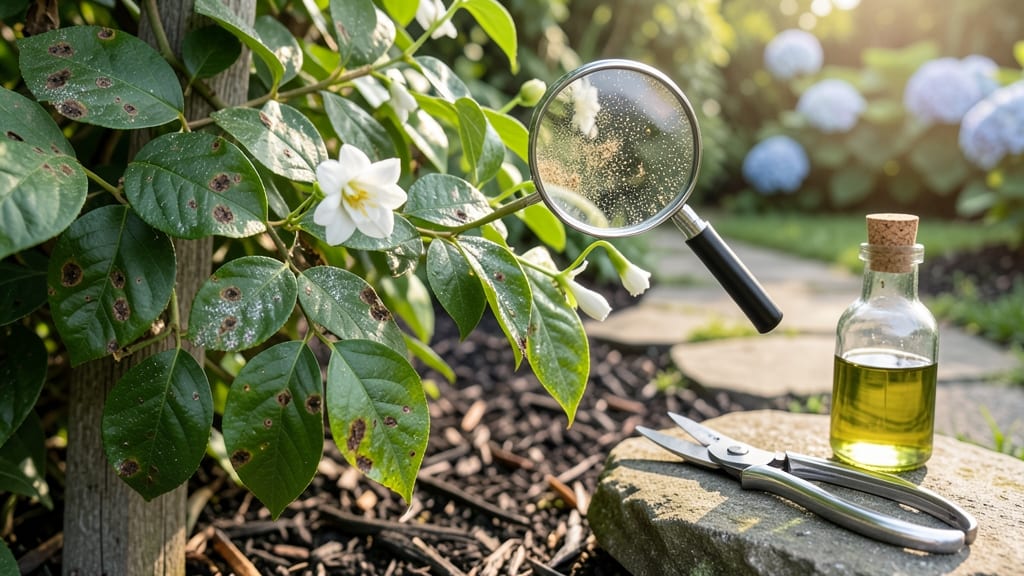
Jasmine leaf disease turns those glossy, fragrant leaves into a sad, spotted mess—and copper spray is your secret weapon. 🌿 I’ve watched powdery mildew and fungal spots creep across my jasmine vines, but this two-step fix (spray + prune) always saves them.
The key? Catching it early before the spots spread like gossip at a garden party. Most fungal infections start with poor airflow or wet foliage—think crowded vines or overhead watering. Copper spray (or neem oil) disrupts the fungus’s party, while pruning opens up the plant so air circulates.
You’ll see new leaves emerge in 2-3 weeks if you act fast. The worst part? Those black or brown spots? They’re just the fungus’s way of saying, “I’m in charge now.” Once you’ve sprayed and pruned, keep an eye out for yellowing leaves—that’s your warning to thin the plant again.
The goal is prevention: water at the base, avoid mulch piles against stems, and prune regularly. If the disease keeps coming back, though, it might be time to call in a pro—some infections need stronger medicine. This works for star jasmine, Confederate jasmine, and even your climbing varieties.
The same rules apply: copper spray, pruning, and prevention. Your jasmine’s lush, fragrant comeback starts now.
Root Causes Of Leaf Fungus
Jasmine leaf disease—often caused by fungal pathogens—doesn’t strike randomly. Understanding the why behind its spread helps you prevent it before it ruins your plants. Below are the key triggers, backed by science, so you can tackle them head-on.
Fungal spores love stagnant, damp air. When jasmine plants grow too densely or are crowded by other foliage, airflow is restricted. This creates the perfect breeding ground for pathogens like Cercospora or Alternaria, which thrive in:
- High humidity (above 70%) – Ideal for spore germination and spread.
- Poor ventilation – Trapped moisture on leaves keeps fungal hyphae (root-like structures) active.
- Overwatering – Soggy soil and wet leaves (from overhead watering) extend the fungal "party."
Actionable fix: Prune aggressively to open up the canopy, space plants 18–24 inches apart, and water at the base—not the leaves.
Stressed jasmine plants are like open doors for fungi. Common stressors include:
- Nutrient deficiencies – Lack of nitrogen, phosphorus, or micronutrients (like magnesium) weakens cell walls, making them easier targets.
- Physical damage – Pruning cuts, insect bites (e.g., spider mites), or hail can create entry points for spores.
- Environmental shocks – Sudden temperature drops, frost, or intense heat disrupt natural defenses.
Science note: Healthy jasmine leaves produce cutin and wax coatings that repel fungi. When these barriers break down, spores latch on effortlessly.
Actionable fix: Feed plants with a balanced fertilizer (10-10-10) in spring, and avoid heavy pruning during wet seasons.
Fungal spores hitchhike on water droplets. When rain or sprinklers splash onto leaves:
- Spores land and germinate within 24–48 hours.
- Leaf surfaces stay wet for prolonged periods, encouraging mycelial growth (the fungal "web" that smothers tissue).
- Drip irrigation or soaker hoses are safer than overhead systems.
Data point: Studies show Alternaria spores can travel up to 10 feet via wind-driven rain, infecting nearby plants.
Actionable fix: Water early in the day (so leaves dry by evening), use drip lines, and avoid late-season irrigation when humidity peaks.
Fungal spores are persistent. They linger on:
- Pruning shears – A single cut with infected blades can transfer spores to healthy stems.
- Potting mix – Old soil may harbor dormant spores that reactivate when replanted.
- Compost or mulch – Improperly cured organic matter can introduce pathogens.
Actionable fix: Sterilize tools with 70% rubbing alcohol or a 10% bleach solution between uses. For soil, solarize beds (cover with clear plastic for 4–6 weeks) or use fungicide-treated mixes.
Pro tip: 💡 Early detection is your best defense. Check the undersides of leaves first—fungal spots often appear there before spreading to the top. Caught early, copper sprays (like Bordeaux mixture) can stop outbreaks before they explode.
Revive Your Jasmine Leaves Naturally
When your jasmine plants start showing signs of leaf disease—whether it’s spots, wilting, or unsightly blemishes—acting fast can save them. The good news? Most fungal and bacterial issues (like those causing jasmine leaf disease) respond well to a mix of organic treatments, pruning, and preventive care.
Below, we break down the best fixes based on the root cause, so you can target the problem directly and keep your jasmine thriving.
If your jasmine leaves have dark brown or black spots with yellow halos (a classic sign of fungal infections like anthracnose or leaf spot), copper-based sprays are your first line of defense. Copper disrupts fungal spores without harming your plant—just like a natural shield.
🔥 Step-by-Step Copper Spray Treatment
- Choose the Right Spray Use a copper fungicide (like copper sulfate or copper hydroxide). Look for organic options if you prefer chemical-free gardening.
- Timing is Key Apply the spray in the early morning or late afternoon to avoid leaf burn from sunlight. Do this every 7–14 days until the spots stop appearing.
- Proper Application
- Mix the spray according to package instructions (usually 1–2 tbsp per gallon of water).
- Spray both sides of the leaves and the stems until damp but not dripping.
- Focus on new growth and undersides of leaves, where spores love to hide.
- Clean Up Debris Remove fallen leaves and infected branches immediately after spraying to prevent spores from spreading.
💡 Pro Tip:
For a DIY copper spray, mix 1 tsp of copper sulfate with 1 gallon of water and a drop of dish soap (as a sticker). Test on a small area first to check for sensitivity.
Overcrowded jasmine plants trap moisture, creating the perfect breeding ground for fungi and bacteria. Pruning isn’t just about aesthetics—it’s a critical disease prevention step.
👨🍳 How to Prune Like a Pro
- Remove Infected Leaves & Branches
- Use sterilized pruning shears (wipe with rubbing alcohol between cuts).
- Cut off any leaves with spots, wilting, or discoloration—don’t leave them hanging.
- Thin Out Dense Foliage
- Aim for 1/3 of the plant’s volume if it’s overly crowded.
- Focus on inner branches where airflow is poor.
- Shape for Sunlight Access
- Trim back branches to open up the canopy, letting sunlight dry leaves faster (fungi hate dry conditions).
- Disposal Matters
- Do NOT compost infected plant material. Seal it in a plastic bag and toss it in the trash.
⏰ Best Time to Prune
- Early spring (before new growth starts) or late winter is ideal.
- Avoid pruning during wet or rainy periods to prevent new infections.
Overwatering or poor drainage is a top cause of jasmine leaf disease. Fungi thrive in soggy conditions, so tweaking your watering habits can make a huge difference.
💧 Smart Watering Fixes
- Water at the Base, Not the Leaves
- Use a soaker hose or drip irrigation to deliver water directly to the soil.
- Avoid overhead watering, which leaves moisture on leaves for fungi to feast on.
- Check Drainage
- Ensure pots have drainage holes and use well-draining soil (mix in perlite or sand if needed).
- If planting in the ground, avoid low-lying areas where water pools.
- Water Schedule
- Let the top 1–2 inches of soil dry out between waterings.
- Water deeply but less frequently—jasmine roots prefer consistency over constant dampness.
- Morning Watering Wins
- Water in the morning so leaves dry quickly from sunlight.
Once your jasmine is back in shape, keep it healthy with these long-term prevention tips:
- 🌿 Mulch Properly Apply a 2–3 inch layer of mulch around the base (but not touching the stem) to improve soil drainage and reduce splashing.
- 🍄 Boost Plant Immunity Feed your jasmine with a balanced fertilizer (10-10-10) in spring to encourage strong, disease-resistant growth.
- 🔍 Monitor Regularly Inspect leaves weekly for early signs of spots or wilting. Catch problems before they spread!
- 🌞 Give It Sun & Space Jasmine needs 6+ hours of sunlight daily and proper spacing (at least 3–4 feet apart for shrubs).
With these targeted fixes, your jasmine should bounce back in no time. The key is acting fast, improving airflow, and keeping leaves dry. Soon, you’ll have lush, disease-free foliage—and maybe even fragrant blooms to enjoy! 🌸
Frequently asked questions about jasmine leaf disease
What are the first signs of jasmine leaf disease I should watch for?
Look for small dark spots (brown, black, or yellow) on leaf surfaces, especially on undersides. These spots often appear with a yellow halo around them, and leaves may start curling or dropping prematurely. Check new growth first—it’s where fungal spores love to settle.
Can I use household items like baking soda to treat jasmine leaf disease?
Yes! A baking soda spray (1 tsp baking soda + 1 quart water + a drop of dish soap) can help prevent fungal spread. Spray it on leaves every 7-10 days, but it works best as a preventive measure—not a cure for advanced infections. For severe cases, copper spray is more effective.
How often should I prune my jasmine to prevent leaf diseases?
Prune 2-3 times per year: once in early spring (before new growth), again after flowering, and lightly in late summer. Always remove 1/3 of the plant’s volume to improve airflow, and sterilize your tools between cuts to avoid spreading spores.
Will my jasmine recover if I only treat the infected leaves?
No—you must treat the whole plant since fungal spores spread quickly. Spot treatments won’t work. Spray all leaves, stems, and soil around the base with copper fungicide, and remove all infected debris immediately to prevent reinfection.
Can jasmine leaf disease spread to other plants in my garden?
Fungal spores can travel up to 10 feet via wind or water. Isolate infected jasmines until they’re disease-free, and avoid overhead watering. If nearby plants show symptoms, treat them too—common garden fungi like Alternaria don’t discriminate!