
Pruning
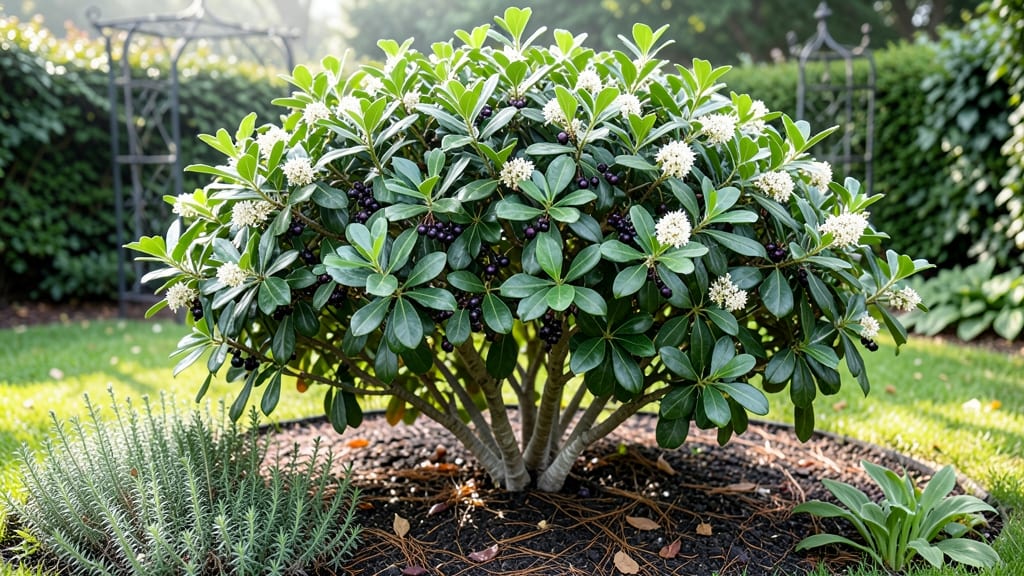
Japanese waxleaf privet delivers year-round glossy foliage that outshines most shrubs—no pruning drama, no fuss, just effortless beauty. 🌿 I’ve grown this plant for years, and it’s the only shrub that stays lush through droughts, freezes, and even my occasional neglect.
The deep green leaves have a waxy sheen that catches the light, making it the star of any landscape. This plant thrives in partial shade to full sun and tolerates almost any soil—even clay—as long as it drains well.
Unlike fussy shrubs, it handles heat, humidity, and occasional dry spells without complaint. Perfect for hedges, privacy screens, or as a statement plant in mixed borders, it grows 3–6 feet tall with minimal care.
Pruning is the real game-changer: snip just once a year in late winter to shape it, and it rewards you with dense, vibrant growth all season. No deadheading, no pest problems, and no need for fertilizers to keep it happy. It’s the ultimate low-maintenance shrub for busy gardeners.
Whether you’re lining a driveway or filling a shady corner, this plant delivers four-season interest with almost no effort. Here’s how to get started—no green thumb required.
📚 In This Guide
- What you need
- Instructions
- Tips and common mistakes
- Wrapping up and next steps
What you need
- ● Pruning shears or loppers: Sharp, bypass-style tools (for clean cuts). Loppers for thicker branches (½"–1" diameter). Pro tip: Disinfect blades with rubbing alcohol before and after use! 🔥
- ● Hand pruners: For smaller stems (ergonomic handles to avoid hand fatigue.
- ● Gloves: Heavy-duty gardening gloves (nitrile-coated for grip and protection from thorns).
- ● Pruning saw: Only if dealing with thick, woody stems (>1" diameter). A bow saw works best.
- ● Ladder or step stool: For reaching higher branches safely. Extension pole pruners are a great alternative!
- ● Trash bags or bucket: For collecting clippings (1–2 large bags or a 5-gallon bucket).
- ● Rake or broom: To clear fallen leaves/debris from the work area.
- ● Pruning sealant: For large cuts (>½") to prevent disease (e.g., Tanglefoot Tree Wound Pruning Sealer).
- ● Disposable pruning bags: To contain clippings on-the-go (great for small yards!).
- ● Knee pads: If you’ll be working on the ground or kneeling often.
- ● Plant food or fertilizer: Post-pruning boost (e.g., balanced 10-10-10 or slow-release granules).
- ● Safety glasses: If sawing or dealing with dense foliage.
How to plant and prune Japanese waxleaf privet for year-round foliage
This hardy shrub thrives with minimal effort—here’s how to plant it right and keep those glossy leaves looking their best.
🪴 Step 1: Choose the Perfect Planting Spot
Japanese waxleaf privet (Ligustrum japonicum) loves sunlight but tolerates partial shade, making it versatile for gardens. For the most vibrant foliage, plant it in an area with at least 6 hours of direct sun daily. Avoid low-lying spots where cold air settles—this shrub prefers well-drained soil and can suffer from root rot in soggy conditions.
Dig a hole twice as wide as the root ball but only as deep as the container’s base. Loosen the roots gently if they’re circling the pot—this encourages outward growth. The top of the root ball should sit 1 inch below the surrounding soil level to prevent water pooling at the base.
☀️ Step 2: Plant and Water for Immediate Establishment
Backfill the hole with native soil mixed with 1 part compost to improve drainage and fertility. Press firmly around the base to eliminate air pockets but avoid compacting the soil. Water deeply right after planting—this helps settle the roots and removes any air gaps. You’ll know it’s soaked when water runs out the drainage holes if planted in a container.
Mulch the base with 2-3 inches of organic mulch (like shredded bark) to retain moisture and regulate soil temperature. Keep mulch 6 inches away from the trunk to prevent rot. Water every 2-3 days until new growth appears—this usually takes 4-6 weeks. Overwatering now is the biggest mistake; let the top 1 inch of soil dry out between waterings.
✂️ Step 3: Prune for Shape and Health (Year-Round)
Japanese waxleaf privet doesn’t need heavy pruning, but light shaping in late winter or early spring keeps it dense and bushy. Use clean, sharp pruners to cut just above a leaf node (the bump where leaves grow) at a 45-degree angle. This encourages new growth from the right spot.
Remove any dead, diseased, or crossing branches first—they can spread problems or block airflow. For a fuller look, trim back overly long branches by 1/3 to encourage branching. Avoid cutting into old wood (gray, woody stems)—new growth comes from green, flexible shoots. A little pruning now means fewer leaves to clean up later.
🌿 Step 4: Maintain for Long-Term Foliage Brilliance
Fertilize once in early spring with a balanced, slow-release fertilizer (10-10-10 ratio) to support new growth. Scatter granules around the drip line (where water falls from the outer leaves) and water deeply to activate them. Skip fall fertilization—this shrub stores energy for winter and doesn’t need extra nutrients.
Watch for aphids or spider mites on the undersides of leaves—these pests love the glossy foliage. Spray with neem oil or insecticidal soap if you spot sticky residue (honeydew) or fine webbing. A strong spray of water can also dislodge them without chemicals. Healthy privet rarely has issues, but early intervention keeps leaves looking their best.
Tips & tricks for perfect Japanese waxleaf privet care
Between us, this shrub is practically foolproof—but these little details make all the difference between "nice" and "showstopper" foliage.
Sunlight Strategy: While 6 hours of sun is the minimum, I've found that placing privet in morning sun with afternoon shade in hot climates preserves that signature glossy sheen longer. If your garden gets intense afternoon rays, consider a lightweight shade cloth during peak summer heat—it won't harm the plant but prevents leaf scorch that dulls the foliage.
Root Ball Revelation: The secret to establishing strong roots isn't just digging the right hole—it's about the soil contact surface. When loosening circling roots, focus on the outer 2-3 inches of the root ball where new roots form. This creates a larger surface area for nutrient uptake right from planting day. Think of it as giving your privet's roots a head start on the race.
Watering Wisdom: That 1-inch soil dryness test between waterings is spot-on, but here's the pro move: water deeply but infrequently. Instead of daily shallow watering, give it one thorough soaking every 5-7 days once established (after those first 6 weeks). This encourages deep root growth rather than shallow, thirsty roots that lead to weak stems. The key is to saturate the soil to 12-18 inches deep—you'll know you've done it right when water appears at the bottom of the hole.
Pruning Precision: When trimming back those overly long branches by 1/3, always cut back to an outward-facing bud—this creates an open, airy shape that prevents disease. I've seen too many privets turn into dense, tangled messes because people cut back to inward buds. Another trick: prune in stages if you're doing heavy shaping. Do a light trim in late winter, then follow up with another session in early summer to maintain that bushy form without shocking the plant.
Pro Tips for Japanese Waxleaf Privet
- Between us, this shrub is practically foolproof—but these little details make all the difference between "nice" and "...
- Sunlight Strategy: While 6 hours of sun is the minimum, I've found that placing privet in morning sun with afternoon ...
- Root Ball Revelation: The secret to establishing strong roots isn't just digging the right hole—it's about the soil c...
Frequently asked questions
Got questions about keeping your Japanese waxleaf privet lush and low-maintenance? Here are some common ones—and their answers!
How often should I prune my Japanese waxleaf privet?
Prune once a year in late winter or early spring (before new growth starts). Light shaping trims can happen anytime, but avoid heavy cuts in fall—it stimulates tender new growth that may not survive winter. Pro tip: Use clean, sharp tools to avoid tearing leaves!
Can I grow Japanese waxleaf privet in containers?
This shrub thrives in pots, making it perfect for patios or small spaces. Choose a container at least 18 inches wide with drainage holes, and repot every 2–3 years. Just keep it near a sunny spot—6+ hours of light daily keeps those glossy leaves happy.
Why are my leaves turning yellow or brown?
Yellowing leaves often signal overwatering or poor drainage. Brown edges? Likely underwatering or dry air. Check soil moisture (top inch should be dry) and ensure your shrub isn’t sitting in soggy soil. Fix: Adjust watering and mulch to retain moisture.
Is Japanese waxleaf privet deer-resistant?
Not quite! While deer usually avoid it, they’ll nibble if other food is scarce. For extra protection, apply deer repellent sprays or plant it near deer-resistant companions like boxwood or lavender. A physical barrier (like fencing) works too.
What’s a good alternative if I want a similar look?
If you love the glossy, evergreen vibe but need a tougher option, try:
- Dwarf English boxwood – Compact, dense, and deer-resistant.
- Emerald Green arborvitae – Needle-like foliage with year-round color.
- Camellia sasanqua – Semi-evergreen with fragrant blooms.
Wrapping up and next steps
The Japanese waxleaf privet is a standout choice for gardeners seeking low-maintenance, evergreen beauty with its stunning glossy foliage and adaptability. Its resilience to pests, drought tolerance, and minimal pruning needs make it a dream plant for both beginners and seasoned horticulturists.
Whether you’re shaping it as a hedge, topiary, or standalone shrub, this plant delivers year-round elegance with minimal effort—proving that stunning gardens don’t require endless upkeep!
Ready to elevate your outdoor space? Grab your pruners, pick a sunny spot, and give this versatile shrub a try! 🌿✨ For even more inspiration, explore pruning techniques for other evergreens or share your progress with fellow plant enthusiasts online.