
Pests and Diseases
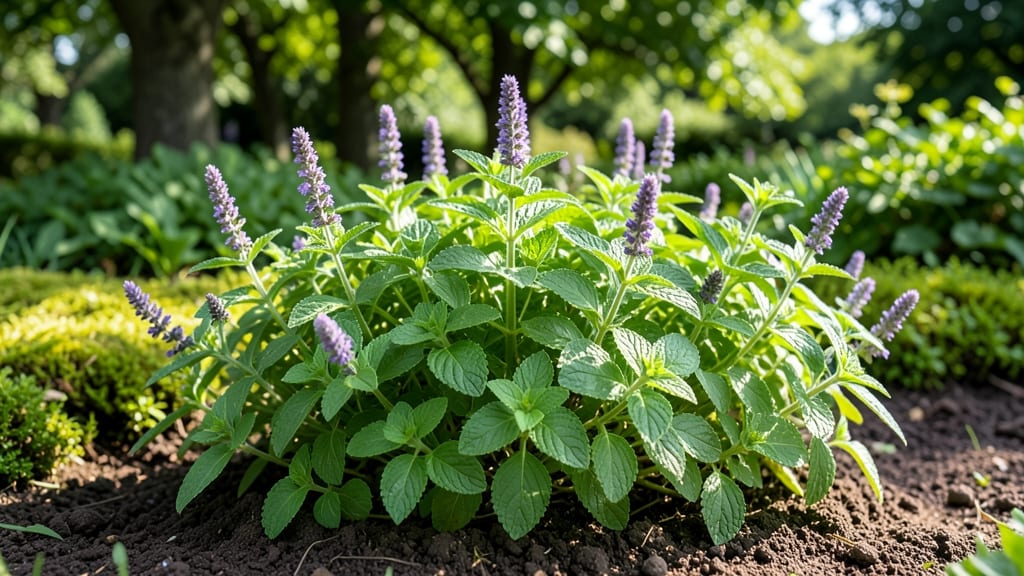
Peppermint isn’t just a leaf—it’s the dried foliage from the Mentha × piperita plant, where both leaves and square stems are harvested for their potent oils and flavors.
When you think of peppermint, you’re likely picturing the green, oval leaves used in teas and candies—but the plant itself is far more complex. 🌿 The entire aerial parts (leaves, stems, and flowering tops) contain essential oils, but the leaves are where the highest concentration of menthol (that signature cooling compound) lives.
This is why culinary and medicinal uses focus on the leaves, though the stems contribute to the plant’s aromatic profile when dried properly. The square stems also help distinguish peppermint from other mints, like spearmint, which has round stems.
Harvesting at the right time—just before flowering—maximizes oil content, while proper drying (hanging in bundles or spreading leaves in a well-ventilated area) preserves potency. Store dried peppermint in airtight containers away from light to keep its vibrant flavor and therapeutic properties intact for months.
💡 In This Article
- Botanical Breakdown: What Exactly Is Peppermint?
- How to Harvest and Use Peppermint Leaves Correctly
Botanical breakdown: what exactly is peppermint?
The confusion around peppermint stems from its common usage—we typically encounter it as dried leaves in teas or candies, but botanically, it's a perennial herb from the Lamiaceae family.
What makes it unique is its square stems, a defining trait of the mint family that houses essential oil glands along the edges.
These stems aren't just structural; they contain 1-2% menthol by weight, though the leaves concentrate 2-4% menthol, making them the prized part for flavor and aroma.
Peppermint's leaves grow in opposite pairs along the stem, each with serrated edges and a slightly hairy texture that traps oils.
The essential oil glands (called trichomes) are microscopic structures on the leaf surface that release menthol when crushed—this is why fresh leaves have a more intense aroma than dried ones.
The stems, while less potent, contribute to the plant's overall fragrance when dried whole, creating a more complex aromatic profile than isolated leaves.
What sets peppermint apart from its cousin spearmint is its hybrid origin—a cross between water mint and spearmint, bred to amplify menthol content. This genetic twist means peppermint's leaves are 2-3 times richer in menthol than spearmint, which has round stems and milder flavor.
The square stems also help identify wild peppermint, as they're a dead giveaway for botanists distinguishing it from lookalikes like wild bergamot or catnip.
When you see peppermint labeled as "leaves," it's often a marketing simplification—the entire plant above ground (leaves, stems, and flowering tops) is harvested for essential oil production. The flowering tops contain up to 1.5% menthol, though they're rarely used in culinary applications due to their bitter notes.
This is why commercial peppermint oil is extracted from the whole plant, not just the leaves.
Here's the science behind why leaves dominate flavor: The palisade mesophyll cells in peppermint leaves are packed with chloroplasts and oil glands, creating a 10-15% higher oil yield than stems.
When you crush dried peppermint leaves, you're breaking these glands, releasing menthol and menthone—the compounds responsible for that signature cooling sensation and fresh aroma. 🌿
For gardeners, this botanical structure matters when propagating peppermint—cuttings taken from the square stems (with at least 2-3 nodes) root more easily than leaf-only cuttings. The stems' rigidity helps them survive harsh conditions, while the leaves' high surface area maximizes photosynthesis and oil production.