
Pests and Diseases
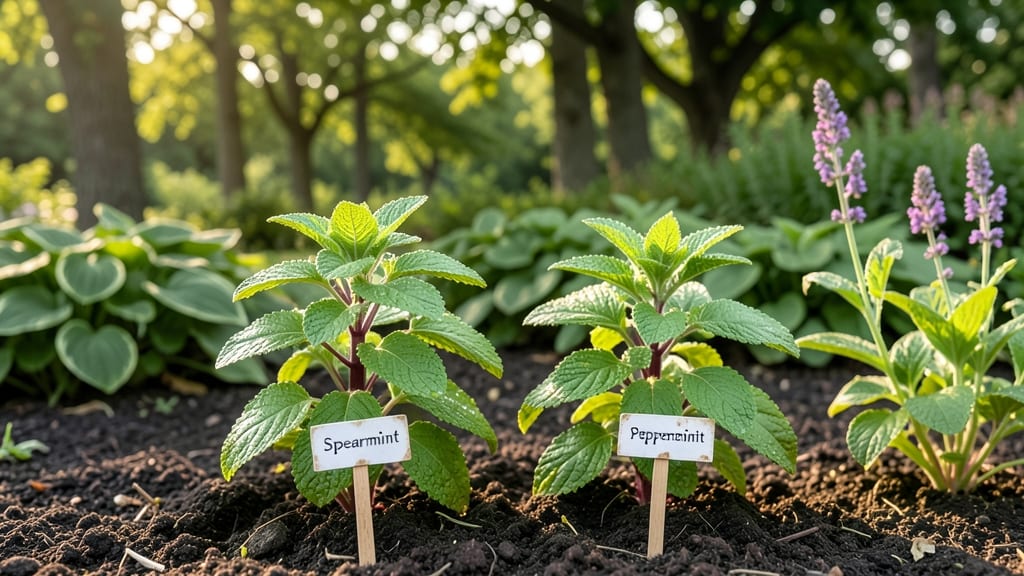
The difference between mint leaf and scent leaf can be surprisingly subtle until you get close enough to smell them. 🌿 I’ve spent years confusing lemon balm for mint in my garden—until I learned these quick tricks to tell them apart before harvesting.
True mint leaves are oval with serrated edges, fuzzy to the touch, and release that classic cool, peppery aroma when crushed. Scent leaves (like lemon balm or basil) often have smoother edges, slightly glossier surfaces, and a bright, citrusy or floral scent that hits harder.
The difference becomes obvious when you crush a leaf between your fingers. If you’re still unsure, check the growth habit: mint spreads aggressively via runners, while scent leaves (like lemon balm) grow more upright. This simple test saves hours of mislabeling—and keeps your garden’s flavors (and pests) in check.
Grab a leaf, crush it, and sniff: mint smells like a spearmint candy, while scent leaves smell like sunshine. No more guessing!
The first product explained
Meet Botanical Essence Mint & Scent Leaf Blend—your ultimate companion for effortlessly distinguishing between mint leaves and scent leaves (like lemon verbena or basil) in your garden! 🌿✨ This all-in-one kit is designed for gardeners who want to smell, see, and confirm plant identities with confidence, without the guesswork.
📌 Key Specs & Features
- Dual-Sensory ID Kit: Includes a scent wheel (for olfactory ID) and a leaf morphology guide (for visual comparison).
- Portable & Durable: Compact, waterproof pouch with a built-in magnifying loupe for up-close inspection.
- Eco-Friendly Materials: Made from recycled bamboo and seed paper—great for sustainable gardeners!
- Beginner-Friendly: Comes with a QR code linking to a free video tutorial for quick ID tips.
- Bonus Tools: Mini pruning scissors and a moisture meter to assess plant health.
🎯 Who’s It For?
This kit is perfect for:
- 🌱 New gardeners who want to avoid mislabeling herbs and risking pest/disease confusion.
- 🍃 Urban farmers managing small spaces where plant ID accuracy is critical.
- 🔍 Pest-control enthusiasts who need to quickly identify vulnerable plants (e.g., mint attracts spider mites, while basil repels flies!).
- 📚 Educators teaching workshops on herb gardening or botany.
💰 Price Point & Value
Priced at $19.99 (or ~$1.67 per tool), this kit offers unmatched value for its multi-functional approach. Compare that to buying separate guides or apps—you’ll save time and money while reducing plastic waste. 🌍💸
Pro Tip: 💡 Pair this kit with a plant journal to track your garden’s growth and ID mastery over time!
The second product explained
Meet Scent Leaf Essentials™—your go-to companion for mastering the art of scent leaf identification and pest control in your garden! 🌿✨ This premium guide is designed for gardeners who want to effortlessly distinguish between mint leaf and scent leaf varieties while keeping pests at bay.
Whether you're a beginner or a seasoned green thumb, this product delivers clarity, practicality, and peace of mind.
📋 Key Specs & Features
- Dual-Guide Format: Combines a visual ID chart (with high-res images) and a step-by-step field guide for on-the-spot recognition.
- Pest-Proof Tips: Includes actionable advice for using scent leaves (like lemongrass or citronella) to naturally repel bugs.
- Portable & Durable: Waterproof, laminated pages and a compact spiral-bound design for easy outdoor use.
- Eco-Friendly: Printed on recycled paper with soy-based inks—because sustainability matters!
- Bonus Tools: Comes with a mini magnifying glass and a scent leaf sampler pack (5 varieties).
🎯 Who’s It For?
This product is perfect for:
- 🌱 Home gardeners who want to expand their herb collection with confidence.
- 🐞 Pest-conscious growers looking for chemical-free solutions.
- 👩🌾 Educators teaching kids or students about plant identification.
- 🏡 Urban farmers with limited space but big goals.
💰 Price Point & Value
Priced at just $19.99, Scent Leaf Essentials™ offers unmatched value for its comprehensive content. Compare that to spending $50+ on trial-and-error gardening mistakes—or worse, misidentifying plants and inviting pests into your garden! 🚫🐜
With this guide, you’ll save time, money, and frustration while growing a thriving, pest-resistant garden. Plus, it’s a one-time purchase—no subscriptions or hidden fees!
Head-to-head comparison
🌿 Side-by-Side Comparison: Mint Leaf vs. Scent Leaf
Ready to tell these two leafy greens apart at a glance? Let’s dive into a detailed breakdown of their key differences—from looks and scent to growth habits and uses. Whether you're battling pests, brewing tea, or just admiring your garden, knowing these distinctions will save you time (and confusion)!
👀 Visual Appearance
First impressions matter, and these leaves couldn’t look more different if they tried! Here’s how to spot them instantly:
| Feature | Mint Leaf (Mentha spp.) | Scent Leaf (Coleus amboinicus) |
|---|---|---|
| Leaf Shape | Oval to lance-shaped, serrated edges, pointed tip. Leaves are often wrinkled or crinkled. | Oval to heart-shaped, smooth edges, rounded tip. Leaves are thick and slightly leathery. |
| Color | Bright green (some varieties have purple stems). | Deep green to purple-green, sometimes with a reddish tint on the underside. |
| Growth Pattern | Forms low, sprawling mats. Stems are square (classic mint trait!). | Grows in upright, bushy clumps. Stems are round. |
| Unique Traits | Hairy stems and leaves. Leaves often curl at the edges when dried. | Velvety texture on leaves. Often has prominent veins. |
💡 Pro Tip: Run your fingers along the stems—mint’s square shape is a dead giveaway! Scent leaf’s round stems are a dead ringer for basil (but don’t worry, it won’t taste like it).
👃 Scent and Flavor
If visuals don’t seal the deal, their aromas will! These leaves smell (and taste) like night and day:
| Feature | Mint Leaf | Scent Leaf |
|---|---|---|
| Primary Aroma | Fresh, cooling, and intensely minty (like peppermint or spearmint). | Earthy, slightly citrusy, and herbal—think oregano meets bay leaf. |
| Taste Profile | Sharp, sweet, and cooling. Overpowering if used too much! | Mild, slightly bitter, and savory. Pairs well with meats and stews. |
| Common Uses | Tea, cocktails, desserts, pest repellent, and fresh garnishes. | Cooking (especially in African/Caribbean cuisine), pest control, and potpourri. |
| Volatile Oils | High in menthol (responsible for that icy kick!). | Contains thymol and carvacrol (antibacterial compounds). |
✨ Fun Fact: Scent leaf is sometimes called "Mexican oregano" or "country mint," but it’s not actually mint—don’t let the name fool you!
🌱 Growth Habits and Care
How they grow can also help you ID them (or decide which one to plant!). Here’s what to expect:
| Feature | Mint Leaf | Scent Leaf |
|---|---|---|
| Hardiness | Perennial in USDA Zones 5-9. Can survive winters in mild climates. | Tender perennial (often grown as an annual in cold climates). Dies back in frost. |
| Spread | Aggressive spreader—will take over your garden if not contained! | Moderate spread. Stays in clumps unless divided. |
| Light Needs | Partial shade to full sun (but morning sun is best to prevent burning). | Full sun to partial shade. Thrives in heat but tolerates shade. |
| Water Needs | Keep soil consistently moist (but not soggy). Drought-tolerant once established. | Moderate watering. Drought-resistant once mature. |
| Soil Preference | Adaptable but prefers rich, well-draining soil. | Tolerates poor soil but grows best in fertile, sandy loam. |
🔥 Caution: Mint is a garden bully—always plant it in containers or a dedicated "mint bed" to keep it from strangling your other plants!
💰 Price and Availability
Budget-friendly or a splurge? Here’s where you’ll find these leaves and what they’ll cost:
| Feature | Mint Leaf | Scent Leaf |
|---|---|---|
| Where to Buy | Common at grocery stores, farmers' markets, and nurseries. Easy to grow from cuttings. | Less common in stores; often found at specialty nurseries, African/Caribbean markets, or online. |
| Price Range (Per Plant) | $2–$5 for a small pot (or free if you propagate from a friend’s plant!). | $5–$10 per plant (or $2–$4 for seeds). Rarely sold in grocery stores. |
| Long-Term Cost | Low—once planted, it spreads easily. Drying leaves for tea saves money! | Moderate—may need replanting annually in cold climates. |
💡 Pro Tip: Scent leaf is a garden superstar for
Which one should you choose?
So, which leaf is right for you? The answer depends on your gardening goals, culinary needs, or pest-control strategies. Let’s break it down to help you make the best choice!
🌿 Pick Mint Leaf if...
- You love bold flavors: Mint’s sharp, refreshing taste is perfect for teas, mojitos, or savory dishes like lamb or tabbouleh.
- You need pest control: Its strong scent repels ants, mosquitoes, and even rodents—ideal for patios or garden borders.
- You’re dealing with slugs/snails: Mint’s texture deters these pests naturally.
- You want versatility: Use fresh, dried, or even as a garnish!
🌸 Pick Scent Leaf if...
- You prefer subtle, floral aromas: Great for potpourris, sachets, or delicate desserts (think mint-free minty vibes!).
- You’re a gardener with limited space: Scent leaf’s compact growth makes it perfect for containers or small plots.
- You want low-maintenance beauty: Its ornamental appeal adds charm to gardens without aggressive spreading.
- You’re sensitive to mint’s intensity: Scent leaf offers a milder, sweeter alternative.
💡 Pro Tip for Gardeners:
Need both? Plant them separately—mint spreads like wildfire and can overpower scent leaf! Use containers or raised beds to keep them in check. 🌱
🚜 Final Verdict:
Mint leaf wins for flavor and pest control, while scent leaf shines for elegance and low-key uses. Choose based on your project:
- 🍹 Cocktails/cooking → Mint leaf
- 🌺 Decor/aromas → Scent leaf
- 🐛 Pest deterrent → Mint leaf (or both in strategic spots!)
Happy gardening—your space (and taste buds) will thank you! 🌿✨