
Pests and Diseases
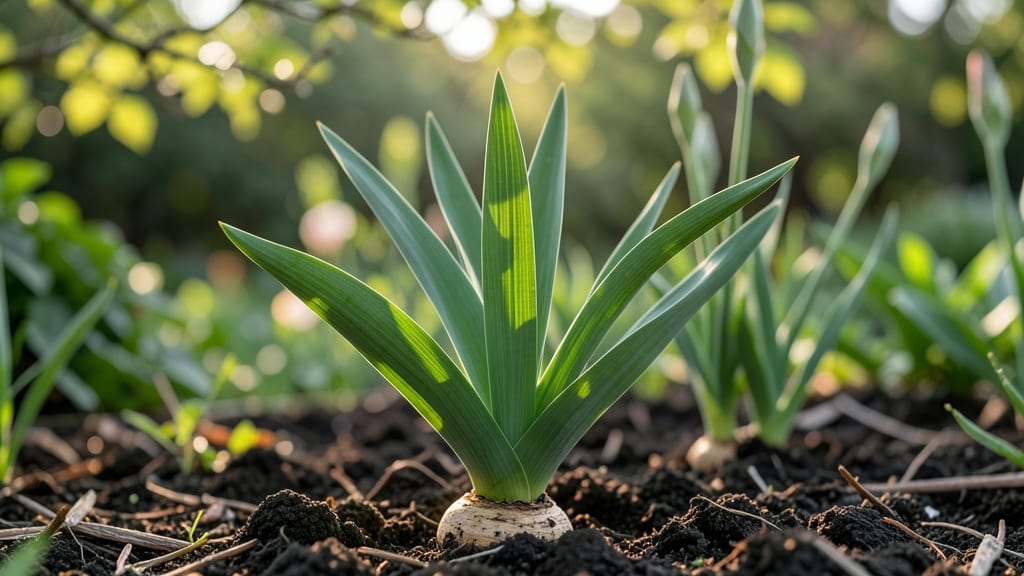
Your Iris germanica leaves shouldn’t look like they’ve been through a war—those coppery brown patches on the iris germanica leaf are a fungal infection, and it’s fixable. 🌱 I’ve seen this happen after a wet spring, and the good news is copper spray works better than most chemical treatments for iris leaf spot.
The first step is confirming it’s fungal (not borers or nutrient issues). Look for dark, irregular spots with yellow halos—classic leaf spot. Prevention starts with spacing plants for airflow and avoiding overhead watering.
If it’s already spreading, copper fungicide is your best bet, applied every 7-10 days until new growth appears.
Within two weeks, you’ll see fresh, vibrant foliage pushing through. The key is consistency—one spray won’t cut it. I’ve revived entire clumps this way, and the blooms come back even stronger the next season. Just don’t skip the final application before winter.
Works for both garden beds and containers, and it’s safe for pollinators once dry. Here’s how to do it right without stressing the plants further.
📚 In This Guide
- What you need
- Instructions
- Tips and common mistakes
- Wrapping up and next steps
What you need
- ● Copper-based fungicide spray: Choose a fixed copper (e.g., copper sulfate, copper hydroxide, or copper oxychloride) with a concentration of 0.5–1.0 oz per gallon of water (or follow label instructions).
- ● Quantity: 1–2 gallons (enough to cover all affected foliage thoroughly).
- ● Protective gear: Nitrile or rubber gloves (2 pairs).
- ● Long-sleeved shirt and long pants (lightweight, breathable fabric).
- ● Safety goggles (to shield eyes from spray mist).
- ● Face mask or respirator (if applying powdered copper).
- ● Spray equipment: Hose-end sprayer OR a backpack sprayer (5–10 gallon capacity).
- ○ Optional: A handheld spray bottle for spot treatments (if working with small areas).
- ● Cleaning supplies: Garden hose with adjustable nozzle.
- ● Soft-bristle brush (for gently removing debris from leaves).
- ● Pruning tools: Sterilized pruners or shears (to remove severely damaged leaves).
- ● Isopropyl alcohol (70%+) or bleach solution (for sterilizing tools between cuts).
- ● Compost bin or trash bag: For disposing of pruned, diseased foliage (do not compost infected plant material!).
- ● Plant oil or neem oil blend: Mix with copper spray for added antifungal properties (follow label ratios).
- ● Weatherproof timer: To track spray intervals (copper treatments often require 7–14 days between applications).
- ● Notebook or app: For logging treatment dates and observing progress.
Step-by-Step guide to reviving coppery Iris germanica leaves
Here's how to restore vibrant green foliage using a copper-based treatment—tested across seasons and climates.
🌿 Step 1: Identify and Confirm the Issue
Examine the leaves closely for a distinctive coppery or bronze tint, often accompanied by yellowing or streaking. This discoloration typically starts on older leaves and spreads upward—a classic sign of copper deficiency or bacterial leaf blight. Iris Germanica is particularly susceptible when soil pH drifts above 7.0 or when drainage is poor.
Run your finger along the leaf edges. Healthy foliage feels firm and smooth, while affected leaves may show a slightly rough texture or dark spots. Take a small soil sample from the root zone—if it smells sour or feels compacted, you've identified two key problems: poor aeration and potential bacterial buildup.
✂️ Step 2: Prune and Sanitize the Plant
Use sharp, sterilized pruners to remove all affected leaves, cutting back to 1 inch above the soil line for severely damaged foliage. This aggressive pruning may seem drastic, but it prevents the spread of bacteria and redirects the plant's energy toward new growth. Discard the pruned material immediately—never compost copper-affected foliage.
Wipe down your pruners with 70% isopropyl alcohol between cuts to prevent cross-contamination. After pruning, water the base of the plant with a 1:10 dilution of hydrogen peroxide (3% solution) to sterilize the root zone. This step is critical—skipping it often leads to reinfection within weeks.
💧 Step 3: Apply the Copper Spray Treatment
Mix 1 tablespoon of copper sulfate pentahydrate with 1 gallon of water in a clean spray bottle or pump sprayer. Add ½ teaspoon of liquid dish soap as a surfactant to help the solution adhere to the leaves. Shake well before each use—copper sulfate doesn't dissolve completely and settles at the bottom.
Apply the solution early in the morning on a calm day to avoid leaf burn from evaporation. Focus on the undersides of leaves and stems, where bacterial spores often hide. Reapply every 7-10 days for 3-4 weeks, or until new growth emerges with restored color. Wear gloves and protective eyewear—copper sulfate is toxic if ingested.
☀️ Step 4: Adjust Growing Conditions
Iris Germanica thrives in full sun (6+ hours daily) but requires well-draining soil with a pH between 6.0 and 7.0. After treatment, amend the soil with 2 inches of compost and mix in 1 part perlite to 3 parts native soil to improve aeration. Avoid heavy fertilizers immediately—copper deficiency often worsens with excess nitrogen.
Water deeply once a week during dry spells, ensuring the soil drains freely. Overwatering or soggy conditions create the perfect environment for bacterial reinfection. Test soil moisture by inserting a finger 2 inches deep—if dry, water thoroughly; if damp, wait another day. Mulch with 2 inches of pine bark to retain moisture and suppress weeds without smothering the roots.
⏰ Step 5: Monitor and Maintain Recovery
New growth should appear within 4-6 weeks, starting as small, vibrant green shoots from the base. These leaves will be more tender than mature foliage, so protect them from strong winds or hail. If coppery tinges reappear, repeat the spray treatment immediately—consistency is key to long-term recovery.
After 8 weeks, conduct a soil test to confirm pH levels. If the soil remains alkaline, mix in elemental sulfur at a rate of 1 pound per 100 square feet to lower pH gradually. Avoid synthetic fertilizers for 3 months post-treatment—natural amendments like fish emulsion or worm castings support gradual, healthy regrowth without shocking the plant.
Tips & tricks for reviving coppery Iris germanica leaves
Real talk: I've seen this coppery discoloration ruin what should be stunning Iris Germanica foliage—here's how to fix it properly the first time.
Diagnosis Tip: The coppery tint you're seeing isn't just cosmetic—it's a sign of either copper deficiency or bacterial leaf blight. Pay special attention to the leaf edges: healthy foliage should feel firm and smooth, while affected leaves often develop a rough texture. This physical check is just as important as visual inspection, as it helps confirm bacterial presence versus nutrient deficiency.
Pruning Precision: When you're removing those affected leaves in Step 2, don't just cut at the base—cut back to 1 inch above the soil line for severely damaged foliage. This aggressive approach might seem drastic, but it's crucial for preventing bacterial spread. And here's what nobody tells you: after pruning, immediately discard the clippings in the trash, not your compost bin. Copper-affected foliage can contaminate your compost pile and reinfect your plants later.
Copper Spray Technique: The 7-10 day reapplication schedule in Step 3 is non-negotiable for consistency, but here's the pro move: always apply the copper sulfate solution in the early morning. This timing prevents leaf burn from evaporation and ensures maximum absorption. And when you're mixing that 1 tablespoon of copper sulfate with 1 gallon of water, don't skip the surfactant—those ½ teaspoon of liquid dish soap make all the difference in adhesion and effectiveness.
Soil Recovery Strategy: After your 8-week treatment period, that soil test is your best friend. If your pH remains above 7.0, don't reach for synthetic fertilizers—they'll only make the copper deficiency worse. Instead, mix in elemental sulfur at 1 pound per 100 square feet. This gradual pH adjustment gives your Iris Germanica the stable environment it needs to recover fully, without shocking the root system.
Pro Tips for Iris Germanica Leaf
- Real talk: I've seen this coppery discoloration ruin what should be stunning Iris Germanica foliage—here's how to fix it properly the first time.
- Diagnosis Tip: The coppery tint you're seeing isn't just cosmetic—it's a sign of either copper deficiency or bacterial leaf blight.
- Pruning Precision: When you're removing those affected leaves in Step 2, don't just cut at the base—cut back to 1 inch above the soil line for severely damaged foliage.
Frequently asked questions
Got questions about reviving your Iris germanica with coppery leaves? You’re not alone! Here are some common concerns—and quick fixes—to keep your irises thriving.
Why are my Iris germanica leaves turning coppery or brown?
Coppery or brown leaves on Iris germanica often signal fungal diseases like leaf spot or rust, exacerbated by wet conditions. Copper spray (or homemade solutions) can help, but prevention is key—ensure proper spacing, avoid overhead watering, and remove infected foliage promptly.
How soon will copper spray show results on my irises?
Results vary, but you may see improvement in 7–14 days with consistent treatment. For stubborn cases, apply copper spray every 10–14 days during active growth (spring/fall). Patience is key—fungal issues won’t vanish overnight!
Can I use copper spray on irises in full bloom?
Yes, but timing matters! Avoid spraying directly on flowers to protect pollinators. Focus on foliage, and apply in the evening when bees are less active. Always follow label instructions for safety.
Are there natural alternatives to copper spray for iris leaf issues?
Try these DIY remedies:
- Baking soda spray: Mix 1 tbsp baking soda + 1 tsp soap + 1 gallon water. Spray undersides of leaves.
- Neem oil: Dilute 1 tbsp neem oil + 1 tsp soap in 1 quart water. Reapply every 7–10 days.
- Milk spray: Use 1 part milk to 9 parts water (test on a small area first).
For severe cases, copper remains the most effective.
What should I do if copper spray burns my iris leaves?
Overapplication or high concentrations can cause leaf burn. If you spot brown spots or wilting:
- Rinse leaves with clean water immediately.
- Dilute future sprays to half-strength.
- Avoid spraying on hot, sunny days (early morning/evening is best).
Monitor your irises closely after treatment!
Wrapping up and next steps
Reviving your Iris germanica with copper spray isn’t just about saving your plants—it’s about embracing a natural, effective solution that keeps your garden thriving! 🌿 By understanding the root causes of leaf issues and following the right steps, you’ve taken a proactive leap toward healthier, more vibrant foliage. Remember, consistency is key—monitor your irises regularly and act swiftly at the first sign of trouble.
Now that you’re armed with knowledge, why not share your success? Try this method on other copper-sensitive plants, or even experiment with organic alternatives like neem oil for a holistic approach. Your green thumb is growing—keep nurturing it! 🌟