
Pests and Diseases
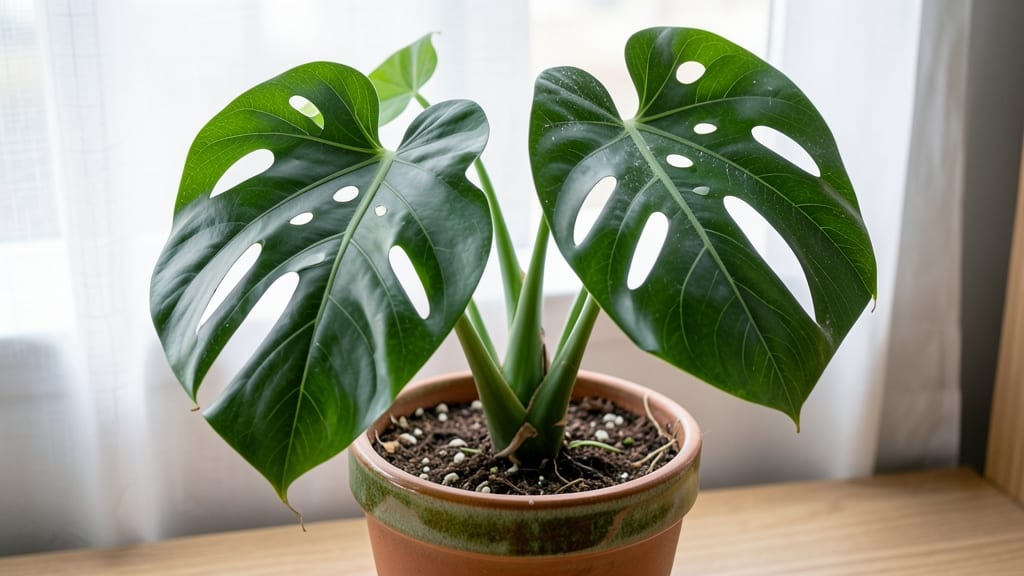
Peering inside a leaf reveals the silent battle between your plants and tiny invaders. 🌿 Those serpentine trails or tiny specks you spot aren't just nature's quirks—they're early warnings from pests like leaf miners or spider mites hiding beneath the surface.
I've caught these problems early by flipping leaves, and it saved my tomato plants from total collapse.
The damage starts small but spreads fast if ignored. Leaf miners create winding tunnels that stunt growth, while aphids cluster on undersides, draining sap. The good news?
You can spot these issues before they become garden-wide disasters by checking leaves regularly—especially on plants like basil, peppers, and roses that pests love.
Once you identify the culprit, solutions are simple: blast off aphids with water, remove infested leaves, or introduce beneficial insects like ladybugs. The key is acting fast—before the pests move to your healthiest plants. Your garden's future depends on those quick leaf inspections now.
This works for any garden, from backyard beds to container plants. The earlier you catch these pests, the less damage they'll do—and the more your plants will thrive all season. Let's turn those leaf inspections into pest prevention victories.
Hidden Invaders Explained
Pests that take up residence inside a leaf don’t just appear out of nowhere—they’re drawn by a mix of environmental cues, plant vulnerabilities, and their own survival strategies.
Understanding these triggers helps you spot early signs and act before the infestation spreads. Here’s why these tiny troublemakers choose the cozy confines of foliage as their hideout.
🌱 Weakened Plant Defenses
Leaves aren’t just food for pests—they’re battlegrounds. When a plant’s immune system is compromised, it becomes an easy target. Stress factors like:
- Nutrient deficiencies: Plants starved of nitrogen, potassium, or magnesium produce thinner, softer leaves—perfect for pests like leaf miners or aphids to burrow into. 💡 Pro Tip: Conduct a soil test to rule out deficiencies before treating for pests.
- Water stress: Overwatering or drought weakens cell walls, making leaves more susceptible to tunneling insects. 🌡️ Watch for: Wilting, yellowing, or crispy edges as red flags.
- Disease or prior damage: Fungal infections (like powdery mildew) or old wounds create entry points. Pests exploit these spots to lay eggs or hide.
Actionable Fix: Strengthen your plant’s resilience with balanced fertilization, proper irrigation, and pruning to remove damaged leaves.
🐛 Pest Life Cycle Strategies
Some insects evolved to hide inside leaves for survival. Their behavior isn’t random—it’s a calculated move. Here’s how:
- Leaf miners: Larvae of flies or beetles tunnel through leaf tissue to avoid predators and parasites. The serrated edges of a leaf provide natural protection. 🔍 Look for: Blister-like trails or serpentine patterns under the leaf surface.
- Webbing pests (e.g., spider mites): These arachnids spin silken shelters inside folded or curled leaves to trap moisture and escape sprays. ✨ Key Sign: Tiny white dots or fine webbing on the underside.
- Scale insects or mealybugs: Nymphs hide in crevices or under leaf layers, feeding on sap while staying shielded from natural enemies.
Why It Matters: These pests often go unnoticed until they’ve weakened the plant. 💡 Pro Tip: Inspect the undersides of leaves and new growth—hotspots for hidden colonies.
🌿 Environmental Triggers
Pests don’t just invade—they’re invited by the right conditions. Check your growing environment:
| Factor | How It Attracts Pests | Solution |
|---|---|---|
| High humidity | Moisture-loving pests like thrips or fungus gnats thrive in damp leaf axils. | Improve airflow with spacing or fans; avoid overhead watering. |
| Warmth | Heat speeds up pest reproduction (e.g., aphids multiply faster in 75°F+ temps). | Use row covers or shade cloth in peak summer months. |
| Overcrowded plants | Tight spaces trap heat and humidity, creating pest-friendly microclimates. | Prune for sunlight exposure; rotate crops annually. |
🚨 Warning: Greenhouse or indoor plants are especially vulnerable—monitor humidity levels with a hygrometer.
🌱 Plant Species Vulnerabilities
Not all leaves are equal. Some plants are magnets for internal pests due to their biology:
- Succulent or fleshy leaves: Plants like coleus or begonias have thick, juicy leaves that attract sap-sucking insects (e.g., whiteflies).
- Hairy or pubescent leaves: Fuzzy textures (e.g., lamb’s ear) trap moisture, creating ideal conditions for mites.
- Young, tender leaves: New growth is nutrient-rich, making it a prime target for leafhoppers or psyllids.
🔥 Prevention Tip: Research your plant’s common pests and rotate varieties to disrupt pest life cycles.
Fixing Foliage Foes Fast
Discovering pests lurking inside a leaf can feel like a garden nightmare—until you take action. The good news? Most leaf-infesting pests respond well to targeted fixes, especially when caught early.
Below, we break down the most common culprits and the practical, step-by-step solutions to evict them for good. Plus, we’ll share prevention tips to keep your plants pest-free long-term.
Cause: Tiny larvae (often from fly or moth species) tunnel through leaf tissue, leaving behind serpentine trails or blotchy damage. How to Fix It:1️⃣ Handpick & Destroy 👨🍳
- Wear gloves and pluck infested leaves immediately—drop them into a sealed bag or soapy water to kill larvae.
- Check both sides of leaves; miners hide in the upper layers.
2️⃣ Spray with Neem Oil 🌿
- Mix 1 tbsp neem oil + 1 tsp mild soap in 1 quart of water. Spray directly on affected leaves (focus on tunnels).
- Reapply every 5–7 days until new growth appears.
3️⃣ Introduce Beneficial Nematodes 🐛➡️💀
- Soil-dwelling nematodes (like Steinernema carpocapsae) hunt leafminer larvae. Apply to moist soil around roots at dusk.
Prevention Tips: 💡 Yellow Sticky Traps 🎯: Hang near plants to catch adult flies before they lay eggs. 💡 Row Covers ✨: Use fine mesh over seedlings to block egg-laying moths. 💡 Healthy Soil = Stronger Plants 🌱: Leafminers target stressed plants. Mulch and fertilize regularly to boost resilience.
Cause: These microscopic pests suck sap from leaves, causing stippling, webbing, and a dusty appearance on the undersides.
How to Fix It:
1️⃣ Blast Them Off 💦
- Spray leaves with a strong stream of water (early morning) to dislodge mites and eggs. Repeat daily for 3 days.
2️⃣ Horticultural Oil Spray 🛡️
- Use a 2–3% oil (like dormant oil) mixed with water. Cover both sides of leaves and reapply every 5–7 days.
3️⃣ Release Predatory Mites 🕷️💥
- Ladybugs, lacewings, and Phytoseiulus persimilis (a mite-eating mite) devour spider mites naturally. Release them at night for best results.
Prevention Tips: 💡 Dust Off Leaves 🧹: Wipe leaves with a damp cloth weekly to remove eggs. 💡 Avoid Overwatering 💧: Spider mites thrive in dry conditions—keep humidity up with a pebble tray. 💡 Rotate Plants 🌿: Prevents mites from settling permanently by disrupting their life cycle.
Cause: These armored pests attach to leaves/stems, excreting honeydew (a sticky residue) that attracts sooty mold.
How to Fix It:
1️⃣ Scrape Them Off 🧼
- Dip a soft toothbrush in rubbing alcohol (70%+) and gently scrub scale clusters. Dispose of brush and pests in soapy water.
2️⃣ Systemic Insecticide (For Severe Cases) 💉
- Use a neonicotinoid-free option like imidacloprid (follow label instructions). Apply to soil for root uptake.
3️⃣ Parasitic Wasps 🐝🔥
- Tiny Encarsia wasps lay eggs inside scale insects, killing them from within. Order from garden centers for organic control.
Prevention Tips: 💡 Inspect New Plants 🌱: Quarantine additions for 2 weeks before introducing to your garden. 💡 Prune Infested Branches ⏰: Remove heavily infected parts before they spread. 💡 Encourage Ants’ Enemies 🐜: Ants protect scale insects—use diatomaceous earth to deter them.
Regardless of the pest, stress-free plants are the best defense. Try these proactive steps:
- Water Deeply but Infrequently 💧: Overwatering weakens roots—aim for 1 inch per week (adjust for climate).
- Fertilize with Balanced Nutrients 📊: Use a 10-10-10 or 5-5-5 fertilizer to avoid nitrogen-heavy stress.
- Rotate Crops Annually 🌿: Prevents pest buildup in soil by changing plant families each season.
- Use Companion Planting 🌼: Marigolds, basil, and garlic repel many leaf pests—plant near vulnerable species.
Remember: The key to solving leaf pest problems is speed and consistency. Act at the first sign of trouble, and your plants will bounce back faster than you think! 🌱💪
Frequently asked questions
What are those white specks or trails inside my leaf?
Those are likely signs of leaf miners or spider mites. Leaf miners create winding tunnels while spider mites leave tiny white dots or webbing. Check both leaf surfaces—pests often hide on undersides where you won't notice them immediately.
Can I save a plant if the inside of its leaves is already damaged?
Yes, but act fast! Prune heavily infested leaves immediately and treat with neem oil or insecticidal soap. For severe cases, isolate the plant and introduce beneficial insects like ladybugs. The key is stopping further spread before the pests move to healthy foliage.
Why do some leaves show damage only on the underside?
Many pests target leaf undersides because they're cooler and more humid—perfect hiding spots. Spider mites, aphids, and some caterpillars prefer this environment. Regularly flip leaves during inspections to catch these hidden invaders early.
Are there any natural ways to prevent pests from getting inside leaves?
Start with companion planting—marigolds and basil repel many pests. Keep your garden clean by removing fallen leaves (pest breeding grounds) and maintain good airflow between plants. Healthy soil also helps—use compost to strengthen plant resilience.
How often should I check leaves for hidden pests?
Inspect leaves every 3-5 days during growing seasons, focusing on new growth. Early detection is everything—pests spread quickly. Use a magnifying glass for small details, especially on plants like tomatoes or peppers that pests love.