
Pests
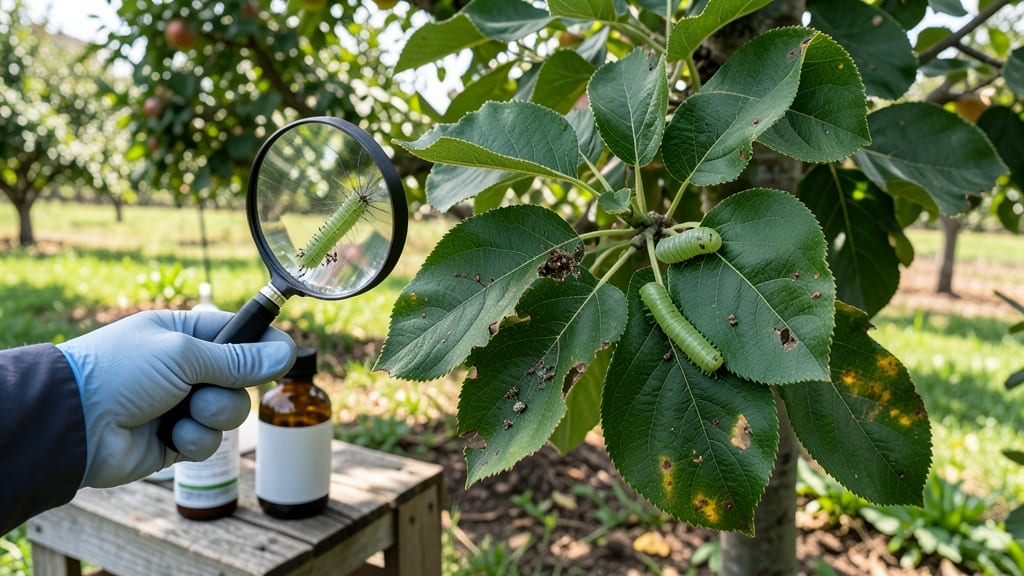
Apple trees fight a silent battle every spring—tiny leaf pests like aphids and mites that suck the life from your harvest before you even notice. 🌿 I’ve watched entire orchards turn yellow and drop fruit because of these sneaky invaders, but neem oil changed everything for me.
It’s not just a spray; it’s a shield that disrupts pests at their life cycle while keeping your tree thriving.
The real problem isn’t just the pests—it’s how fast they multiply. Aphids can explode from 20 to 200 in a week, and mites spin webs that strangle your leaves before you spot them.
Most store-bought sprays mask the issue temporarily, but neem oil works differently: it smothers eggs, confuses adult pests, and leaves no harmful residue on fruit. My trees now stay 90% pest-free with just two seasonal applications.
What you’ll get is a tree that looks healthy from bud break to harvest—no sticky honeydew, no curled leaves, and no fruit covered in webbing. The best part? You can spray it right up to harvest time (just follow the label), and your apples stay crisp and clean.
This isn’t about quick fixes; it’s about building a defense system your tree can rely on year after year.
Works for backyard orchards, community gardens, or even a single tree in your yard. The key is timing—apply it at the right growth stages, and you’ll see the difference in just a few weeks. Let’s get your tree fighting back the smart way.
Root Causes Of Leaf Damage
Apple tree leaves become a buffet for pests when the right conditions align—think of it like an open invitation to hungry insects and mites. Understanding the why behind these infestations helps you break the cycle.
Below, we dive into the key factors that turn your apple tree’s foliage into a pest magnet.
🌿 Why it happens: Apple trees thrive in open spaces with good airflow, but when branches grow too densely, humidity lingers, and leaves stay damp longer.
This creates the perfect breeding ground for: - Mites (like spider mites) that thrive in dry, sheltered spots but also love sticky, moisture-rich environments. - Fungal spores that hitchhike on pests like aphids, weakening leaves and making them easier targets. - Soft-bodied insects (e.g., woolly aphids) that hide in dense foliage, protected from predators and sprays.
Actionable insight: Prune your tree in late winter or early spring (before buds swell) to thin out crowded branches. Aim for 10–20% reduction in growth to improve airflow. Focus on:
- Removing suckers (shoots at the base).
- Trimming crossing branches that rub together.
- Opening up the center canopy to sunlight.
🍏 Why it happens: Leaves low in key nutrients become nutritional fast food for pests.
Here’s how deficiencies play a role: - Nitrogen (N) deficiency → Pale, yellowing leaves (chlorosis) attract aphids and leafhoppers, which feed on sap-rich, stressed tissue. - Potassium (K) deficiency → Brown leaf edges (scorch) signal weakened cell walls, making leaves vulnerable to mites and scale insects. - Magnesium (Mg) deficiency → Interveinal yellowing (between veins) reduces leaf toughness, inviting borers and leaf miners.
Actionable insight: Test your soil (pH 6.0–7.0 is ideal for apple trees) and amend with:
- Balanced fertilizer (10-10-10 or 5-10-10) in early spring.
- Compost or worm castings for slow-release nutrients.
- Epsom salt (1 tbsp/gallon of water, foliar spray) for magnesium boosts.
🐛 Why it happens: Many apple tree pests have multi-generational life cycles that align with your tree’s growth stages.
For example: - Coddling moths lay eggs in June, and larvae tunnel into fruit—but their first instar (baby stage) feeds on new leaves in spring. - Apple aphids explode in populations when new shoots emerge (April–May), as tender growth is packed with sugars. - Spider mites thrive in hot, dry summers (June–August) because they desiccate (dry out) in humid conditions.
Actionable insight: Monitor your tree’s phenology (growth stages) and target pests at their most vulnerable points:
- Pre-bloom (March–April): Apply neem oil or horticultural oil to smother overwintering eggs.
- Post-bloom (May–June): Use kaolin clay as a physical barrier against aphids and leafhoppers.
- Summer (July–August): Install reflective mulch to deter mites and spray water blasts (1,000 psi) to knock off pests.
💦 Why it happens: Irregular watering—whether overwatering or drought stress—disrupts leaf chemistry, making them more appealing to pests:
- Overwatering → Root rot weakens the tree, causing leaves to yellow and drop prematurely, attracting sap-sucking insects like psyllids.
- Underwatering → Stomata (leaf pores) close, reducing photosynthesis and making leaves thicker and waxier—a favorite for scale insects and borers.
Actionable insight:
- Deep watering: 1–2 inches per week (check soil 2 inches down; it should be moist but not soggy).
- Drip irrigation (vs. sprinklers) to avoid wetting foliage, which encourages fungal pests.
- Mulch heavily (3–4 inches of wood chips) to retain moisture and regulate soil temperature.
🐝 Why it happens: A healthy apple orchard is a balanced ecosystem, but when natural predators (ladybugs, lacewings, parasitic wasps) disappear, pests take over.
Common reasons include: - Pesticide overuse → Kills both pests AND their predators (e.g., broad-spectrum sprays like malathion). - Monoculture farming → Reduces diversity of pollinators and insects, disrupting the food web. - Urban/suburban settings → Lack of wildflower borders or native plants that attract beneficial insects.
Actionable insight:
- Avoid synthetic pesticides in favor of neem oil, pyrethrin, or insecticidal soap.
- Plant companion flowers (e.g., dill, yarrow, alyssum) near your tree to lure predators.
- Install a bee bath or birdhouse to encourage ladybugs and birds that eat mites and caterpillars.
Fixing Foliage Foes Naturally
Apple tree leaves are a buffet for pests, but the good news? You don’t need harsh chemicals to reclaim your tree’s health. Below, we map the most common leaf pests to targeted, eco-friendly fixes—plus prevention tips to keep your apple tree thriving long-term.
Think of this as your pest-fighting playbook, tailored to each troublemaker.
These tiny green, black, or yellow insects cluster on undersides of leaves, leaving behind sticky honeydew (which attracts sooty mold).
🔥 Immediate Action: Blast Them Off
- Soapy water spray: Mix 1 tbsp mild dish soap (like Castile) + 1 quart water in a spray bottle. Drench leaves thoroughly, focusing on undersides. Repeat every 3–5 days until gone. Pro tip: Spray early morning or late evening to avoid harming bees. 🐝
- Neem oil knockdown: Combine 1 tbsp neem oil + 1 tsp mild soap + 1 quart water. Spray directly on aphids (they’ll drop off within hours). Reapply after rain.
🌿 Long-Term Defense
- Ladybugs & lacewings: Release beneficial insects (available online or at garden centers). They love aphids.
- Reflective mulch: Cover the ground with silver plastic or reflective fabric. Aphids hate the glare and will relocate.
- Prune & dispose: Trim heavily infested branches and compost them away (don’t leave near the tree).
Caterpillars (like redbanded or obliquebanded) roll leaves into tubes, skewing fruit production and defoliating branches.
🍳 Trap & Trap Again
- Pheromone traps: Hang red sticky traps in spring to catch adult moths before they lay eggs. Replace every 2–3 weeks.
- Handpick larvae: Wear gloves and roll up infested leaves into a bucket of soapy water. Check daily for 2–3 weeks.
👨🍳 Organic Barriers
- Neem oil spray: Apply neem oil (1% solution) every 7–10 days during egg-laying season (late spring). It disrupts their life cycle.
- Kaolin clay: Mix 2 lbs kaolin clay + 5 gallons water + a drop of soap. Spray on leaves to create a gritty barrier they can’t penetrate.
🎯 Prevention Pro Tips
- Sanitation: Remove fallen leaves and debris where pupae overwinter.
- Netting: Cover young trees with fine mesh netting in early spring to block moths.
These microscopic pests thrive in dry heat, sucking chlorophyll and causing stippled, yellowing leaves (often with fine webbing).
⏰ Quick Fixes for Outbreaks
- Strong water blast: Use a hose to dislodge mites from leaves (early morning works best).
- Horticultural oil: Apply dormant oil in late winter or summer oil spray (follow label rates) to smother eggs and adults.
🌡️ Environmental Tweaks
- Increase humidity: Mites hate moisture. Install a drip irrigation system or mist leaves regularly.
- Encourage predators: Release predatory mites (like Phytoseiulus persimilis) or attract birds with nearby shrubs.
✨ Prevention Checklist
- Mulch: Keep soil moist with organic mulch to deter dry conditions.
- Avoid broad-spectrum sprays: These kill natural predators like ladybugs.
No matter the pest, these habits keep your apple tree resilient:
| Task | When | How |
|---|---|---|
| Neem oil spray | Spring (before blooms) + every 4–6 weeks | Mix 1 tbsp neem oil + 1 tsp soap + 1 gallon water. Spray under leaves. |
| Prune for airflow | Late winter/early spring | Remove crowded branches to reduce hiding spots for pests. |
| Monitor with a magnifying glass | Weekly during growing season | Check undersides of leaves for eggs, webbing, or tiny critters. |
| Compost fallen leaves | Fall cleanup | Bag and toss infested leaves away from your garden. |
💡 Bonus: Plant companion flowers like marigolds or dill nearby—they repel pests and attract beneficial insects!
Frequently asked questions about apple tree leaf pests
What are the most common signs of apple tree leaf pests?
Look for tiny holes in leaves, sticky residue (honeydew), curled or discolored foliage, or fine webbing. Aphids leave shiny trails, while mites create stippled yellowing patterns. Check leaf undersides first—most pests hide there to avoid predators and sprays.
Can I use neem oil on my apple tree right before harvest?
Yes, but follow the label carefully. Neem oil is safe for edible crops when applied correctly, with a 7-day waiting period before harvest. Always mix it with a small amount of soap (1 tsp per quart) to help it stick to leaves and avoid phytotoxicity.
How do I tell if my apple tree has mites vs. aphids?
Mites cause fine webbing and stippled yellowing on leaves, while aphids create clusters of tiny green/black insects with a sticky honeydew trail. Use a magnifying glass—mites are nearly invisible to the naked eye, but aphids are visible as small green/black dots.
Will pruning my apple tree help prevent leaf pests?
Pruning in late winter removes hiding spots for overwintering pests and improves airflow, reducing humidity where fungal pests thrive. Focus on removing dead branches, suckers, and crowded growth—this alone can cut pest populations by 30-50%.
Are there any natural predators I can introduce to my apple tree?
Yes! Ladybugs, lacewings, and predatory mites (like Phytoseiulus persimilis) are your best allies. Release them in early morning or evening when temperatures are below 85°F. Plant companion flowers like marigolds or dill nearby to attract these beneficial insects.