
Leaf Blower
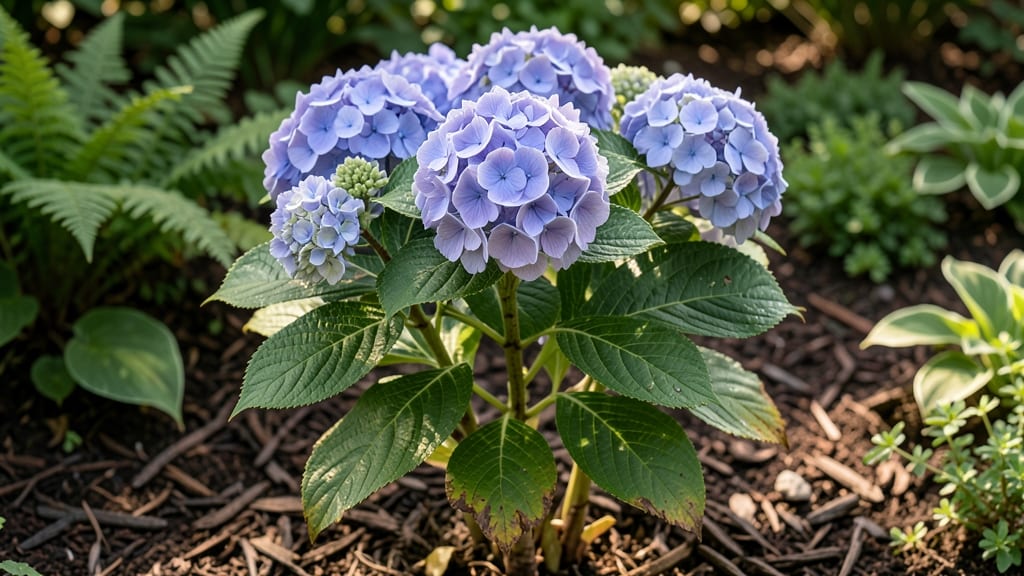
Hydrangea leaf identification starts with spotting those telltale coppery edges or suspicious dark spots—because catching problems early means saving your plants before they spiral. 🌿 I’ve spent years comparing hydrangea varieties side by side, and the differences in leaf shape, vein patterns, and edge texture are the first clues to what’s healthy (or not).
Bigleaf hydrangeas have those bold, rounded leaves with serrated edges, while oakleaf types look more like willow leaves with jagged lobes—knowing which you have tells you exactly how to care for them.
The real game-changer? Learning to spot fungal blight before it takes hold. Look for dark, greasy patches on the upper leaves or powdery mildew on the undersides—these are your red flags. Coppery edges often mean overwatering or poor drainage, while yellowing between veins signals nutrient deficiencies.
Once you train your eye, you’ll notice these issues within days of them starting, giving you time to act before the whole plant suffers.
Why does this matter? Because hydrangeas respond completely differently based on their type. Bigleaf varieties need consistent moisture and shade, while panicle types thrive in full sun and can handle drier soil. Misidentifying your plant means you’re either drowning it or starving it—neither ends well.
The payoff? Plants that bloom bigger, stay healthier, and resist pests better because you’re giving them exactly what they need.
Here’s the kicker: once you master these visual cues, you’ll spot problems in other plants too. It’s like learning a secret language—suddenly, your garden starts talking to you. Ready to decode those leaves? Let’s get started.
Root Causes Of Leaf Problems
Understanding why your hydrangea leaves develop unusual markings—like coppery edges, spots, or discoloration—starts with identifying the underlying triggers. These issues rarely appear out of nowhere; they’re usually a response to environmental stress, pest activity, or nutrient imbalances.
Below, we break down the key culprits behind hydrangea leaf identification red flags, so you can address them before they worsen.
Fungal diseases are the #1 reason for spotted, blighted, or distorted hydrangea leaves. These pathogens thrive in moist, humid conditions, often exploiting weak spots in the plant’s defenses.
- Target Spot & Leaf Spot Fungi - Caused by: Alternaria or Septoria fungi, which spread via splashing water or infected tools. - How it happens: Spores land on leaves, germinate in damp conditions, and create dark, circular lesions with yellow halos.
Severe cases lead to leaf drop. - Why now? Overhead watering, poor airflow (crowded plants), or late-season humidity spikes trigger outbreaks.
- Powdery Mildew - Caused by: Erysiphe or Podosphaera fungi, forming a white, powdery coating on leaves. - How it happens: Fungal spores germinate when temperatures hover between 60–80°F (15–27°C) with high humidity.
Unlike leaf spots, this doesn’t kill tissue immediately but weakens the plant. - Why now? Shady, sheltered locations or dense foliage trap moisture, creating ideal fungal conditions.
- Anthracnose
- Caused by: Colletotrichum fungi, leading to sunken, brown spots that merge into large necrotic areas.
- How it happens: Spreads via rain, wind, or contaminated pruners. Thrives in cool, wet springs, making early season a high-risk period.
Actionable Fix: 💡 Prune infected leaves before spores spread, improve airflow with strategic spacing, and apply copper fungicide at first signs of fungal activity.
Hydrangeas are heavy feeders, and deficiencies—especially in micronutrients—can mimic disease symptoms. Coppery edges or yellowing often signal a lack of essential minerals.
- Iron Chlorosis (Yellowing Between Veins) - Caused by: Low iron availability, often in alkaline soils (pH > 7.0) where iron binds and becomes inaccessible. - How it happens: Hydrangeas can’t absorb iron, leading to yellow leaves with green veins (classic chlorosis).
Coppery edges may appear if the plant struggles to photosynthesize efficiently. - Why now? Over-fertilizing with lime or using tap water high in calcium/water hardness exacerbates the issue.
- Magnesium Deficiency (Interveinal Browning) - Caused by: Low magnesium, which affects chlorophyll production. - How it happens: Leaves develop brown patches between veins, starting on older foliage.
Coppery tinges may appear if the plant is also stressed by drought. - Why now? Heavy clay soils or excessive rainfall leach magnesium away.
- Potassium Shortage (Weak, Scorched Edges) - Caused by: Low potassium (K), leading to brown, crispy leaf margins (often confused with fungal blight). - How it happens: Potassium regulates water and nutrient transport.
A deficiency makes leaves susceptible to drought stress, causing edges to curl and turn coppery. - Why now? Overwatering or poor soil structure flushes potassium out of reach.
Actionable Fix: 🌡️ Test soil pH (aim for 5.2–6.0 for hydrangeas) and amend with chelated iron or Epsom salt (magnesium sulfate). Use a balanced fertilizer (10-10-10) in early spring to replenish potassium.
Hydrangeas are sensitive to temperature swings, sunlight exposure, and watering habits, which can trigger leaf discoloration that looks like disease.
- Sunburn or Heat Stress
- Caused by: Sudden exposure to intense sunlight (e.g., moving a shade-loving hydrangea to full sun).
- How it happens: Leaves develop brown, papery patches or coppery edges as cells die from excessive UV radiation.
- Why now? After pruning or transplanting, or during heatwaves (above 90°F/32°C).
- Cold Damage (Early/Frost Bite) - Caused by: Temperatures below 20°F (-7°C) for extended periods. - How it happens: Leaves turn black or bronze as cells rupture.
Coppery edges may appear if the plant partially recovers but remains stressed. - Why now? Late spring frosts or winter desiccation (dry winds + cold air).
- Overwatering or Poor Drainage - Caused by: Root rot (Phytophthora or Pythium fungi) from soggy soil. - How it happens: Waterlogged roots can’t absorb oxygen, leading to yellowing, wilting, and brown leaf edges.
Fungal infections often follow. - Why now? Compacted soil, clay pots without drainage, or monsoon-like downpours.
Actionable Fix: ✨ Provide afternoon shade in hot climates, mulch heavily in winter, and audit drainage—hydrangeas hate "wet feet." Water deeply but only when the top 1–2 inches of soil are dry.
While less common than fungi or stress, sap-sucking insects can leave behind leaf markings that mimic disease.
- Spider Mites (Stippling & Bronzing)
- Caused by: Tetranychus urticae, which pierce leaves, causing tiny yellow dots that merge into coppery or silvered patches.
- How it happens: Thrive in dry, hot conditions and multiply rapidly on stressed plants.
- Why now? Drought or high summer temperatures trigger outbreaks.
- Scale Insects (Sticky Residue & Yellowing)
- Caused by: Armored or soft scale, which secrete honeydew (a sugary film) that attracts sooty mold.
- How it happens: Leaves develop yellow patches where insects cluster, and black mold grows on honeydew.
- Why now? Weakened plants (from poor care) are easier targets.
Actionable Fix: 🔥 Blast pests off with water spray (early morning) or use neem oil for mites/scale. Introduce ladybugs as natural predators if infestations persist.
Quick Fixes for Hydrangea Leaf Woes
Now that you’ve identified the issue plaguing your hydrangea leaves—whether it’s fungal blight, coppery edges, or another problem—it’s time to take action! Below are practical, step-by-step solutions tailored to the most common culprits, along with prevention tips to keep your plants thriving.
Fungal infections can spread rapidly, but early intervention stops them in their tracks.
🔥 Remove Infected Leaves Immediately
- How: Snip off all yellowed, spotted, or mushy leaves with sterilized pruners (wipe with rubbing alcohol between cuts).
- Why: Fungal spores thrive on decaying plant matter.
Removing infected foliage prevents further spread. - Pro Tip: 💡 Don’t compost infected leaves—toss them in the trash instead.
🍳 Apply Fungicide (Organic or Chemical)
- For Organic Control:
- Baking Soda Spray: Mix 1 tsp baking soda + 1 quart water + a few drops of dish soap (as a surfactant).
Spray early in the morning on dry leaves (avoid wetting flowers). - Neem Oil: Dilute 1 tbsp neem oil + 1 tsp mild soap + 1 quart water.
Spray every 7–10 days until symptoms disappear. - For Severe Cases: - Use a copper-based fungicide (like Copper Soap) or a systemic fungicide (e.g., Myclobutanil). Follow label instructions precisely.
🌡️ Improve Airflow & Reduce Moisture
- Prune nearby branches to allow 3–4 feet of airflow around the plant.
- Water at the base (not overhead) and avoid late-day watering (wet leaves overnight = fungal paradise).
- Mulch properly: Use 2–3 inches of organic mulch (like wood chips) to keep soil moist but not soggy.
🎯 Prevention for Next Season
✅ Plant resistant varieties (e.g., ‘Endless Summer’ hydrangeas tolerate humidity better). ✅ Space plants 3–5 feet apart to prevent overcrowding. ✅ Clean up fallen leaves in autumn—fungi hibernate in debris!
If your hydrangea leaves have crispy, coppery, or brown edges, it’s usually a sign of underwatering, over-fertilizing, or nutrient imbalance.
👨🍳 Adjust Watering Habits
- Check soil moisture: Stick your finger 1–2 inches deep—if it’s dry, water deeply (1–2 inches per week, more in heat).
- Use a moisture meter for accuracy (especially in pots).
- Pro Tip: 🌡️ Water in the morning so leaves dry quickly, reducing stress.
🥘 Rebalance Soil Nutrients
- Test your soil (a DIY kit or professional lab test helps).
Hydrangeas need: - Balanced NPK (e.g., 10-10-10) in early spring. - Extra magnesium (if edges are yellow with green veins)—use Epsom salt (1 tbsp per gallon of water, spray on leaves). - Avoid over-fertilizing—too much salt burns roots, worsening the problem.
⏰ Trim Damaged Leaves (But Not Too Late!)
- Remove only the worst-affected leaves (don’t prune healthy growth).
- Deadhead spent blooms to redirect energy to new foliage.
🎯 Long-Term Soil Care
✅ Add organic matter (compost or aged manure) to improve drainage. ✅ Mulch with pine needles (slightly acidic, great for hydrangeas). ✅ Avoid heavy clay soil—amend with peat moss or perlite if needed.
If tiny bugs are sucking the life out of your hydrangea, act fast!
🔪 Blast Off Pests with Water
- Strong spray: Use a hose nozzle to knock off aphids or spider mites (especially on undersides of leaves).
- Repeat every 3–4 days until pests vanish.
🍎 Use Natural Pest Deterrents
- Insecticidal soap: Mix 2.5 tbsp mild soap + 1 quart water. Spray directly on pests (avoid flowers).
- Neem oil spray (same recipe as above) disrupts their life cycle.
- Introduce beneficial insects: Ladybugs or lacewings eat aphids naturally.
🛡️ Prevent Future Infestations
✅ Inspect new plants before bringing them home. ✅ Remove weedy hosts (like mint or lamb’s ear) that attract pests. ✅ Encourage diversity in your garden—pests target monocultures.
If your plant is severely damaged, don’t give up!
Try: - Transplanting to a sunnier or shadier spot (hydrangeas are picky about light). - Root pruning (if roots are bound in a pot) to encourage new growth. - A "haircut" prune (cutting back 1/3 of the plant in early spring) to stimulate fresh foliage.
Remember: Hydrangeas are resilient! With the right care, they’ll bounce back—and next season, you’ll spot problems before they spiral. 🌿💚
Frequently asked questions about hydrangea leaf identification
What's the quickest way to tell oakleaf hydrangeas apart from bigleaf types?
Look at the leaf shape: oakleaf hydrangeas have lobed, willow-like leaves with jagged edges, while bigleaf varieties feature broad, rounded leaves with serrated margins. Oakleaf leaves also turn stunning bronze or burgundy in fall, whereas bigleaf types usually shift to green or yellow.
Why do my hydrangea leaves have coppery edges but no other symptoms?
Coppery edges often signal potassium deficiency or drought stress. Check soil moisture first—hydrangeas need consistent moisture but hate soggy roots. If the soil feels dry, water deeply and apply a balanced fertilizer (10-10-10) to replenish potassium. Overwatering can also cause this, so ensure proper drainage.
Can I use a plant ID app to confirm my hydrangea type?
Yes! Apps like PlantNet or PictureThis work well, but focus on leaf shape, vein patterns, and flower clusters for best results. Upload clear photos of both leaves and flowers—hydrangea varieties can look very similar, and apps sometimes confuse them with other shrubs like viburnum. For tricky cases, compare your photos with online variety guides.
What do hydrangea leaves look like when they're infected with powdery mildew?
Powdery mildew appears as a white, dusty coating on leaf surfaces, often starting on the undersides. Unlike fungal spots, it doesn't create dark patches—just a fuzzy, chalky layer. Check for this in shaded areas with poor airflow, especially during humid weather. Remove infected leaves immediately and improve ventilation to prevent spread.
How can I tell if my hydrangea leaves are sunburned vs. diseased?
Sunburned leaves develop brown, papery patches or coppery edges on areas exposed to direct sun, while diseased leaves show spots, discoloration, or unusual patterns (like yellow halos). Sunburn happens suddenly after moving plants or during heatwaves, whereas disease symptoms develop gradually. Move your hydrangea to partial shade if you suspect sun damage.