
Flowers
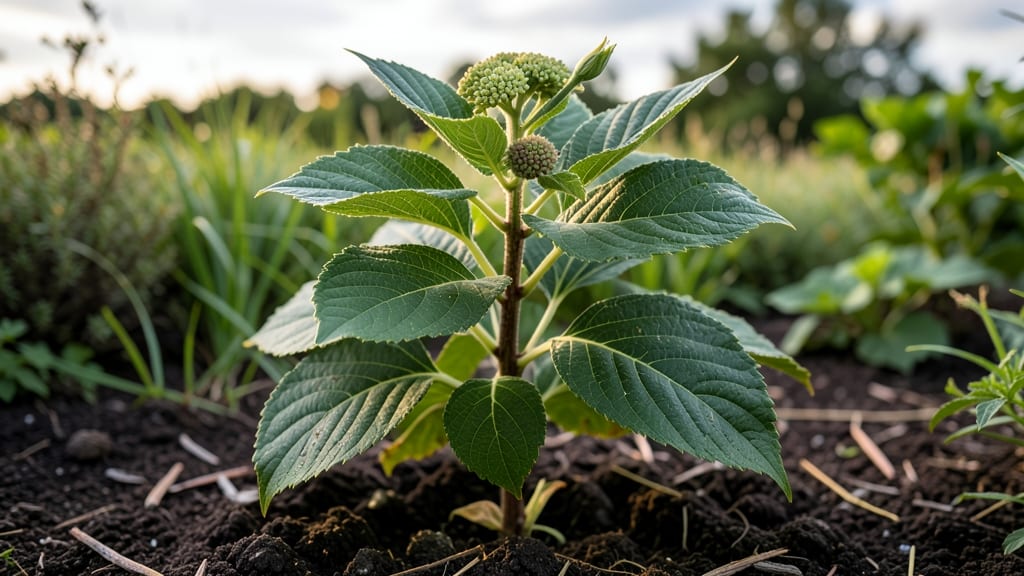
Spotting hydrangea flower buds vs leaf buds saves your plant from a pruning disaster. ✂️ I’ve seen gardeners accidentally trim off next year’s blooms because they couldn’t tell the difference—don’t let that be you. The secret lies in their shape, timing, and where they appear on the stems.
Flower buds form in late summer and swell into tight, rounded clusters that look like little green eggs. Leaf buds, on the other hand, are flatter and more elongated, often with a slight point where new leaves will unfurl.
If you prune after mid-September, you risk cutting off flower buds that haven’t even formed yet.
Here’s the game-changer: hydrangeas bloom on old wood (last year’s growth) or new wood (this year’s), depending on the variety. Prune at the right time, and you’ll get a lush, fuller bloom—skip this step, and you might end up with sparse flowers or bare stems.
I’ll show you exactly how to tell them apart.
Once you master this, you’ll prune with confidence, knowing which buds to protect and which can be trimmed back. The payoff? A hydrangea bush that bursts with color every season, not one that struggles to recover. Let’s get those buds identified!
The first option explained
Welcome to your first stop on the hydrangea journey—Option A: The Flower Bud! 🌸 If you're dreaming of those show-stopping blooms that turn gardens into canvases of color, this is your go-to guide.
Let’s dive into what makes flower buds the star of the show and why they’re a gardener’s (or florist’s!) best friend.
🌸 Key Characteristics
Flower buds are the promise of beauty before they burst into full bloom. Here’s what sets them apart:
- Shape & Structure: Typically rounder, plumper, and more compact than leaf buds. Think of them as little green marbles snugly wrapped in protective scales.
- Location: Often found at the ends of stems (terminal buds) or in clusters where blooms will emerge. They’re the centerpiece of your hydrangea’s growth.
- Texture: Smooth and firm to the touch, with a slightly waxy feel—like a baby’s cheek!
- Color: Early on, they’re green or reddish-green, but as they mature, they may develop hints of the final bloom color (e.g., pink, blue, or white).
🌿 Benefits of Flower Buds
Why should you get excited about these little green powerhouses? Here’s why:
- Stunning Blooms: Flower buds are the direct ticket to hydrangea fame. When they open, they transform into lush, voluminous clusters that steal the show in bouquets, gardens, and even dried arrangements.
- Seasonal Drama: They’re the main event in late spring to summer, offering months of color and texture. Plus, some varieties (like mophead hydrangeas) keep their blooms well into fall!
- Versatility: Whether you’re a DIY florist, a landscape designer, or just love cutting flowers for your table, flower buds (and their mature blooms) are endlessly adaptable.
- Pruning Perks: Knowing how to spot and protect flower buds helps you time pruning correctly, ensuring you don’t accidentally trim off next year’s blooms! 🌟
🌺 Typical Use Cases
Flower buds aren’t just pretty—they’re practical superstars. Here’s how you’ll see them in action:
- Cut Flowers & Bouquets: Harvest them just as they start to open for long-lasting, romantic arrangements. Their gradual bloom means your bouquet will evolve over days!
- Garden Design: Plant hydrangeas with flower buds in mind to create focal points in borders, containers, or as standalone specimens. Their season-long interest keeps gardens vibrant.
- Dried Florals: Some hydrangea varieties (like pannicle hydrangeas) dry beautifully, preserving their structure and color for winter decorations.
- Culinary & Craft Uses: Edible petals (from certain varieties) can garnish desserts or teas, while dried buds add whimsical texture to wreaths and potpourri.
💡 Pro Tip: If you’re new to hydrangeas, start with mophead or lacecap varieties—their flower buds are easier to spot and more forgiving for beginners!
The second option explained
Option B Overview: The Leaf Bud
If flower buds are the stars of the show, leaf buds 🌿 are the unsung heroes that keep your hydrangea thriving! These compact, greenish structures are the future home of your plant’s foliage, and they play a critical role in photosynthesis, energy storage, and overall plant health.
Let’s dive into what makes leaf buds unique—and why they’re just as fascinating as their floral counterparts.
🌱 Key Characteristics of Leaf Buds
- Shape & Size: Typically smaller and more oval or elongated than flower buds, with a slightly pointed or rounded tip. They often appear tightly packed along stems or branches.
- Color: Leaf buds are usually a softer green or brownish-green hue, blending seamlessly with the plant’s natural tones. Unlike flower buds, they rarely display vibrant pinks, purples, or blues.
- Texture: Smooth or slightly fuzzy to the touch, with a firmer structure compared to delicate flower buds. Some varieties may have tiny scales or bumps.
- Location: Often found along the stems (axillary buds) or at the tips of branches (terminal buds), where new growth emerges.
🌟 Benefits of Identifying Leaf Buds
Understanding leaf buds helps you:
- Predict Growth: Leaf buds signal where new leaves will sprout, helping you plan pruning or training for optimal shape.
- Assess Plant Health: Healthy leaf buds are plump and vibrant. Shriveled or discolored buds may indicate pests, disease, or environmental stress.
- Encourage Bushier Plants: Pinching back leaf buds can stimulate branching, leading to fuller, more lush hydrangeas.
- Avoid Accidental Pruning: Mistaking leaf buds for flower buds (or vice versa) can ruin your blooms! Knowing the difference ensures you prune at the right time.
🌿 Typical Use Cases
Leaf buds aren’t just passive players—they’re your secret weapon for:
- Propagating Hydrangeas: Healthy leaf buds on cuttings can root into new plants, giving you free hydrangea babies! 🌱
- Seasonal Care: In late winter/early spring, inspecting leaf buds helps you time pruning correctly (e.g., avoiding cuts that remove next year’s blooms).
- Diagnosing Issues: If leaf buds fail to open or turn black, it could signal fungal infections (like powdery mildew) or nutrient deficiencies.
- Creative Pruning: Strategic removal of leaf buds can shape your hydrangea into a tree form, hedge, or cascading spillover.
💡 Pro Tip: Hold a leaf bud up to bright light—you’ll often see the vein pattern of the future leaf inside! This trick helps confirm you’re dealing with a leaf (not flower) bud.
Key differences
Understanding the differences between hydrangea flower buds and leaf buds is key to pruning, propagation, and even predicting your plant’s blooms. While they might look similar at first glance, these two bud types serve distinct purposes.
Let’s break down the key differences in a clear, side-by-side comparison to help you spot them like a pro!
🌱 Shape and Structure
One of the first clues is the bud’s shape. Flower buds tend to be larger, rounder, and more plump, almost like tiny green or pink bulbs. They often grow in clusters at the tips of stems or in leaf axils (the junction where a leaf meets the stem).
In contrast, leaf buds are usually smaller, flatter, and more elongated, resembling tiny ovals or teardrops. Think of them as compact little packages waiting to unfurl into leaves.
📏 Size and Scale
Flower buds are typically 1/4 to 1/2 inch in diameter (or even larger in some varieties), making them stand out against the stem. Leaf buds, however, are much smaller—often just 1/8 to 1/4 inch long—and may require a closer look to identify.
If you’re squinting and struggling to see it, there’s a good chance it’s a leaf bud!
🌸 Position on the Stem
Flower buds often appear at the ends of stems or in groups along the branches, especially in mophead or lacecap hydrangeas. They may also form in the leaf axils (where leaves attach to the stem), but they’re usually more prominent.
Leaf buds, on the other hand, are more evenly spaced along the stem and often grow in a single, alternating pattern rather than in tight clusters.
🌿 Texture and Feel
Run your fingers gently over the buds—you’ll notice a difference! Flower buds often feel smoother and firmer, almost waxy, especially as they mature. Leaf buds, however, can feel slightly rougher or more textured, with a subtle ridged pattern where the new leaf will emerge.
Pro tip: Squeeze lightly (without damaging the bud)—flower buds may pop open more easily when mature, while leaf buds will resist until spring!
🎨 Color and Pigmentation
Color can be a dead giveaway! Flower buds often start off green but may develop hints of pink, purple, or blue as they mature, depending on the hydrangea variety. Some even take on a slightly reddish or bronze tint in cooler weather.
Leaf buds, however, usually stay a consistent green, though they might have a darker or lighter shade than the mature leaves. 💡 Pro Tip: If you see a bud with any color other than green, it’s likely a flower bud!
🌟 Growth Potential
Here’s where it gets exciting: flower buds develop into blooms, while leaf buds unfold into foliage.
If you’re pruning or propagating, preserving flower buds means more flowers next season—but saving leaf buds ensures your hydrangea keeps its lush, green canopy. ✨ Fun Fact: Some hydrangeas (like Hydrangea paniculata) produce flower buds on new wood, while others (like H. macrophylla) form them on old wood.
Knowing this can help you prune at the right time!
When to choose which
Choosing between hydrangea flower buds and leaf buds depends on your gardening goals, aesthetic preferences, and the type of impact you want to create. Here’s when each is the better pick:
🌸 Go for Flower Buds When...
- You want bold, show-stopping blooms: Flower buds develop into lush, colorful flowers that add drama to gardens, bouquets, and arrangements. Perfect for summer displays! 🌺
- You’re cutting for arrangements: Flower buds (especially mophead or lacecap types) create stunning centerpieces and bouquets with their full, rounded shapes.
- You’re training a hydrangea for specific colors: Flower buds respond to soil pH changes (e.g., acidic soil for blues, alkaline for pinks), giving you control over hues.
- You’re pruning for next year’s blooms: If your hydrangea blooms on new wood (like most mopheads), prune in late winter to encourage vibrant flower buds.
🍃 Opt for Leaf Buds When...
- You prioritize foliage over flowers: Leaf buds grow into glossy, textured leaves that add year-round interest—ideal for shade gardens or as a backdrop for other plants.
- You’re growing a reblooming variety: Some hydrangeas (like PeeGee) bloom on old wood and new growth. Preserve leaf buds to ensure both seasons of blooms!
- You’re propagating or layering: Leaf buds are easier to root or graft for new plants, making them a gardener’s secret weapon for expansion. 🌱
- You’re dealing with pests/disease: If flower buds are prone to bud blast (a fungal issue), leaf buds may survive better, ensuring your plant stays healthy.
💡 Pro Tip: If you’re unsure, observe your hydrangea’s growth habit—does it bloom in spring or summer? That’ll tell you whether to protect flower buds (summer bloomers) or leaf buds (spring bloomers).
The bottom line
Now that you’ve mastered the art of telling hydrangea flower buds from leaf buds, you’re well on your way to becoming a plant-care pro! 🌿 Remember, flower buds are plump, rounded, and often clustered, while leaf buds are smaller, pointed, and spaced along the stem.
Knowing the difference helps you prune with confidence, predict blooms, and keep your hydrangeas thriving.
Still unsure? Take a close look at the shape, arrangement, and texture—your hydrangeas will thank you! Happy gardening! 🌸