How To
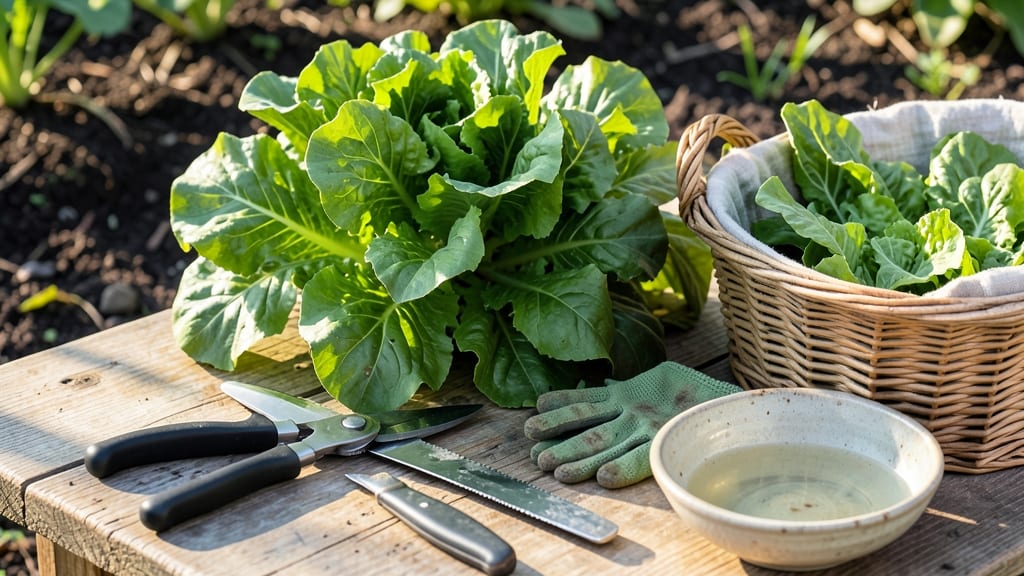
To harvest loose leaf lettuce 🥬 at its peak flavor and regrowth potential, you’ll need to know the exact timing and technique—because picking too early or too late can ruin both the taste and your plant’s future.
Fresh, crisp loose leaf lettuce straight from your garden tastes nothing like store-bought—but only if you harvest it at the perfect time. Learn the exact techniques to maximize flavor, encourage regrowth, and avoid common mistakes that ruin your crop.
Most gardeners wait until leaves are 4-6 inches long and fully crisp, but timing varies by variety and season. A single wrong cut can stress your plant or trigger bolting, turning your tender greens into bitter stalks overnight.
In this guide, I’ll walk you through when to harvest, how to cut leaves without harming your plant, and the post-harvest care tricks that keep your lettuce producing for weeks—no guesswork required.


When to harvest loose leaf lettuce for peak flavor and regrowth potential
Harvesting loose leaf lettuce at the right time transforms your garden into a flavor factory. Unlike head lettuce, loose leaf varieties reward you with multiple harvests if you pick leaves correctly.
The key? Understanding maturity stages and variety-specific cues while balancing regrowth potential. Get this wrong, and you'll either miss peak flavor or stress your plants beyond recovery.
Temperature plays a surprising role too. Cool spring and fall seasons (50–75°F) produce the sweetest, crispest lettuce, while summer heat triggers bolting—that bitter, flowering phase we all dread.
I’ve learned the hard way that harvesting too early or too late can turn your homegrown feast into a sad, wilted disappointment. Let’s fix that.
Visual cues are your best friends here. Look for leaf size (4–6 inches), vibrant color, and crisp texture—not softness. Butterhead varieties, like ‘Buttercrunch’, have delicate, ruffled edges when ready, while oakleaf types, like ‘Oakleaf’, develop deep lobes and rich green hues. Romaine, such as ‘Parris Island’, stays taller and straighter but still needs those same maturity signals.
Timing isn’t just about days—it’s about temperature windows. For spring plantings, aim to harvest when daytime temps stay below 75°F. In fall, extend your season by harvesting before nighttime temps drop below 40°F.
I once ignored this rule and harvested my oakleaf lettuce during a 90°F heatwave—the result? Bitter, limp leaves that bolted within days. Pro tip: Use a shade cloth (30–50%) during summer to keep temps ideal.
Don’t wait until leaves turn yellow or wilted—that’s a flavor and texture death sentence. Instead, watch for fully unfurled leaves that are 1–2 inches wider than their stems. For example, ‘Black Seeded Simpson’ romaine should have crisp, upright leaves at 6 inches tall.
If you’re unsure, do the “squeeze test”: Gently press a leaf. It should spring back, not stay dented.
Regrowth potential hinges on leaving the inner leaf rosette intact. Always harvest outer leaves first, cutting at a 45-degree angle just above the next set of leaves. This encourages the plant to redirect energy inward. I’ve seen butterhead lettuce regrow three times in a single season using this method—just imagine the savings on store-bought salads!
Beware of overcrowding, though. If your plants are too dense, they’ll compete for nutrients, and regrowth suffers. Thin seedlings to 6–8 inches apart at planting, and you’ll avoid this pitfall. Also, avoid harvesting more than 1/3 of the plant at once.
Last season, I took too much from my romaine patch, and it bolted within a week. Lesson learned: Patience pays off.
One final trick: Harvest in the morning after dew has dried but before the sun peaks. Leaves are coolest and crispest then, and you’ll preserve flavor longer. Rinse leaves immediately in cool water to remove dirt, then pat dry with a clean towel.
Store them in a perforated plastic bag in the fridge for up to 5 days—or eat them fresh for that garden-to-table magic.
Mastering the art of loose leaf lettuce harvesting means balancing bold flavor with plant health. Follow these cues, and you’ll enjoy homegrown salads that put store-bought to shame—without the bitterness or wilted disappointment. Now grab those shears and get harvesting! 🥬
Step-by-step harvesting techniques to avoid damaging plants
Harvesting loose leaf lettuce correctly ensures you get tender, flavorful greens while keeping your plants healthy for future harvests. The key is to use the right techniques to minimize stress and encourage regrowth. Start by choosing the right tools and timing to preserve both your plant and your crop.
Using the wrong harvesting method can damage the plant's growth points or leave it vulnerable to pests and disease. For example, pulling leaves instead of cutting them can uproot smaller plants or tear delicate stems. Always prioritize clean cuts and gentle handling to maintain plant health and maximize future yields.
How to Harvest Loose Leaf Lettuce
- Step 1: Choose the right tool Use clean, sharp pruning shears or garden scissors for larger leaves. For smaller leaves, your fingers work fine—just pinch the leaf at the base.
- Step 2: Start with outer leaves Harvest mature outer leaves first (4-6 inches long) to avoid overcrowding the center. This encourages new growth from the inner leaves.
- Step 3: Make clean cuts Cut or pinch leaves just above a leaf node (where new leaves emerge). Avoid cutting into the main stem or center growth point.
- Step 4: Harvest entire heads (if needed) For romaine or butterhead varieties, harvest the whole head by cutting the stem 1 inch above the soil. This stops regrowth but ensures a full harvest.
- Step 5: Clean tools and hands Rinse tools with soapy water between cuts to prevent spreading disease. Wash your hands after handling each plant.
Timing matters just as much as technique. Harvest in the early morning when leaves are crisp and hydrated. Avoid harvesting during hot afternoons or after heavy rain, as this can stress the plant or spread soilborne pathogens.
If you notice yellowing leaves or bitter taste, your lettuce may be bolting (going to seed). This often happens in hot weather or when days get longer. To prevent this, provide light shade during peak sun hours and harvest frequently to keep plants cool.
After harvesting, always water deeply and apply a light fertilizer (like compost tea) to encourage regrowth. With the right care, a single loose leaf lettuce plant can produce harvests for 6-8 weeks or longer!