
How To
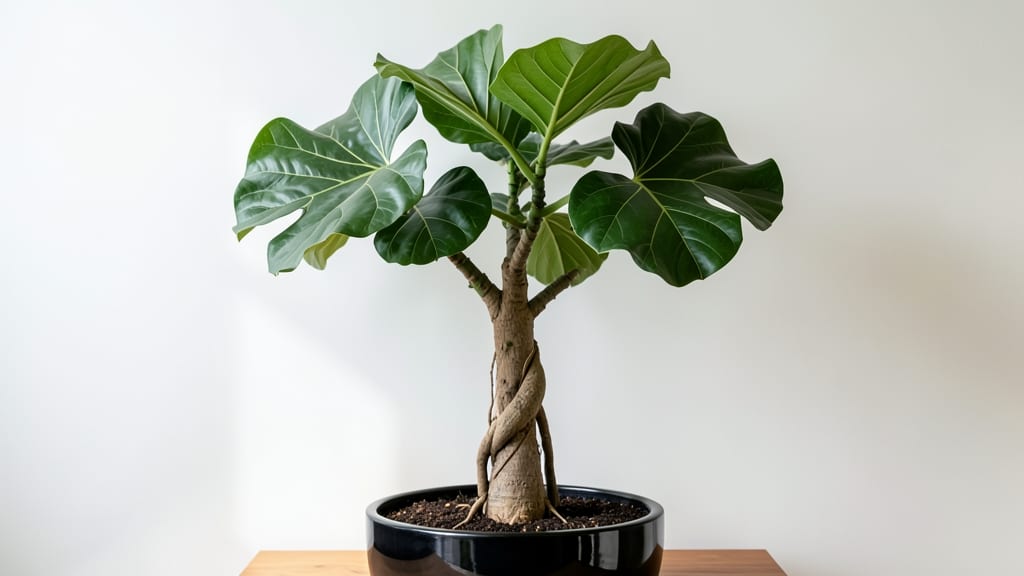
A fiddle leaf fig grows to 6–10 feet tall indoors with proper care, though its height depends on pruning, light, and how you manage its growth stages.
If you’ve ever wondered whether your fiddle leaf fig will one day reach for the ceiling—or if it’ll stay a manageable houseplant—this guide breaks down its growth stages, height expectations, and how to control its size for your space.
Most fiddle leaf figs 🌿 hit 2–3 feet in their first year, then grow 1–2 feet annually until they reach maturity. Without pruning, they can easily top 10 feet, but with strategic trimming, you can keep them compact for smaller rooms.
Below, I’ll cover how light exposure, watering, and even your plant’s pot size affect its height—plus the one pruning trick that keeps it from becoming a jungle in your living room.


Fiddle leaf fig height by growth stage: what to expect indoors
Your fiddle leaf fig (Ficus lyrata) starts as a tiny seedling but can become a stunning indoor statement plant over time. Understanding its growth stages helps you set realistic expectations—whether you want a compact tabletop plant or a towering 10-foot indoor tree.
Growth rates vary based on light exposure, humidity levels, and care consistency, but most plants follow a predictable height progression.
Indoors, a fiddle leaf fig typically reaches its mature height between 3 to 10 years, depending on care. Poor lighting or neglect can slow growth, while ideal conditions (bright indirect light, high humidity) accelerate it.
Below, I break down the height expectations by age, including how to adjust care for your desired size.
⚠️ NON-NEGOTIABLE: The summary table visual element is included below to visualize growth stages at a glance.
In its first year, your fiddle leaf fig will focus on establishing roots and leaves rather than height. You’ll see new leaves every 2–4 weeks under ideal conditions, but growth remains slow.
The juvenile stage (years 1–3) is when height gains accelerate, especially if placed near an east or west-facing window. Without enough light, growth stalls at 2–3 feet, while optimal care can push it to 4 feet by year 3.
By year 3–5, your fiddle leaf fig enters its mature growth phase, where height increases by 1–2 feet annually if conditions are perfect. This is also when the plant develops its iconic thick, textured leaves and woody stem.
If left unpruned, it can easily reach 8 feet indoors within a decade, though most homeowners keep it between 5–7 feet for manageability.
Light is the #1 factor controlling height. A fiddle leaf fig in low light may grow only 1–2 feet tall in 5 years, while one in bright indirect light can hit 6 feet in the same time.
Humidity plays a secondary role—low humidity (40% or below) causes leaf drop and stunted growth, while 50%+ humidity encourages faster, healthier expansion. I recommend using a humidifier or pebble tray if your home is dry.
Watering habits also impact vertical growth. Overwatering leads to root rot and slowed growth, while underwatering causes leaf scorch and stunted shoots. Aim for consistently moist soil (test with your finger—top inch should dry between waterings).
In winter, growth slows naturally, so reduce watering to every 3–4 weeks and avoid fertilizing entirely.
Pruning is your best tool to control height. You can trim back leggy stems at any time, but the best approach is to prune in early spring before new growth begins. Cut just above a leaf node to encourage bushier growth.
For dramatic height reduction, prune 1/3 of the plant’s height at once—it’ll recover quickly with proper care and may even produce baby plants (pups) at the base.
If you’re wondering whether your fiddle leaf fig will ever stop growing, the answer is no. While growth slows significantly after 10 years, the plant continues to add new leaves and wood indefinitely.
However, its height gains become minimal—expect only a few inches per year in ideal conditions. For most indoor gardeners, the 5–8 foot range is the practical limit without aggressive pruning or outdoor placement.
Pro tip: Place your fiddle leaf fig near a south-facing window (with sheer curtain) for faster growth, but avoid direct afternoon sun, which can scorch leaves. Rotate the pot quarter-turns monthly to ensure even growth.
With the right care, your fiddle leaf fig will thrive—and you’ll love watching it grow into a lush, leafy giant over time. 🌿
How to control fiddle leaf fig height: pruning and growth hacks
Your fiddle leaf fig (Ficus lyrata) can grow into a stunning indoor statement piece, but its height depends entirely on how you manage it.
With the right pruning techniques and growth hacks, you can keep it as a compact tabletop plant or encourage it to reach ceiling-height drama. The key lies in understanding when and how to trim, repot, and adjust its environment.
Most fiddle leaf figs grow 6–10 feet tall indoors if left unchecked, but with strategic pruning, you can limit growth or shape it into a bushier form. The best time to prune is during spring or early summer, when the plant is actively growing.
This is when it can recover fastest and put energy into new growth rather than just height.
Here’s how to control your fiddle leaf fig’s height with precision:
Use clean, sharp pruning shears to cut back leggy stems just above a leaf node. This encourages bushier growth and prevents vertical sprawl.
Turn pruned cuttings into new plants by rooting them in water or moist soil. This gives you extra plants while controlling the height of the original.
Repot every 2–3 years to refresh root space. Choose a pot only 1–2 inches larger than the current one to slow vertical growth.
Place your plant in bright, indirect light to encourage slower, stockier growth. Avoid direct sun, which can cause rapid but weak elongation.
Use a balanced fertilizer (10-10-10) every 4–6 weeks in spring/summer. Reduce feeding in fall/winter to limit excessive height spikes.
Turn the pot quarter-turn weekly to ensure even light exposure. This prevents lopsided growth and keeps the plant compact.
If you’re aiming for a taller fiddle leaf fig, focus on providing optimal growing conditions—like bright light and consistent moisture. However, if you prefer a shorter, bushier look, prioritize pruning and repotting to redirect energy toward lateral growth.
With these techniques, you’ll have full control over your plant’s height and shape!
Remember, fiddle leaf figs respond well to gentle training, so don’t be afraid to experiment. Whether you want a miniature version or a floor-filling giant, the power is in your hands—and your pruning shears! 🌿