
Trees
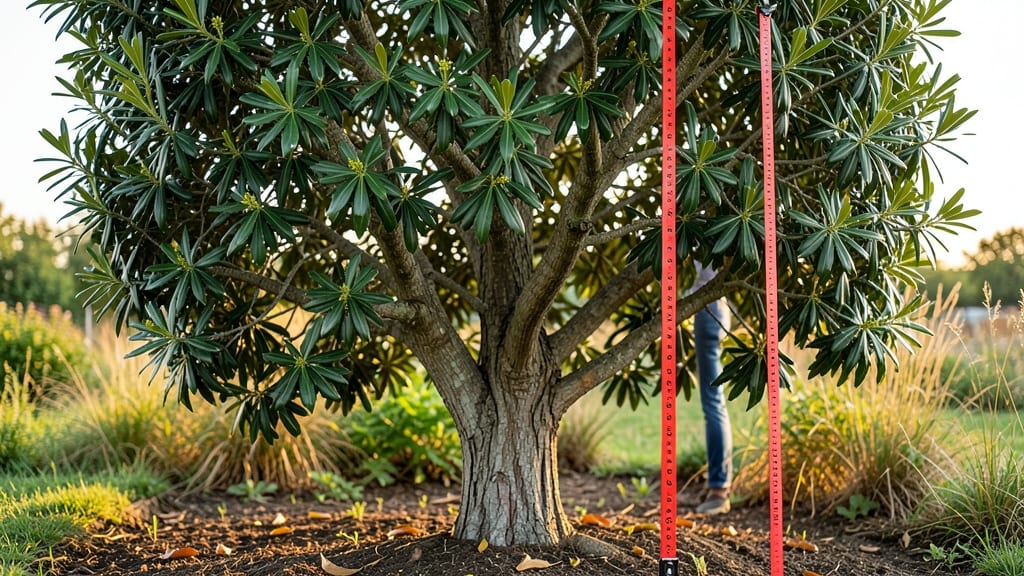
Bay leaf trees grow between 15 and 40 feet tall at maturity, depending on the variety and growing conditions—so your garden plans might need a bigger space than you think.
If you're dreaming of adding fragrant bay leaf trees to your garden but wondering how much space they’ll need, the answer depends on the variety—and it might surprise you.
The classic sweet bay (Laurus nobilis) can easily reach 20 to 30 feet in ideal conditions, while California and Texas varieties stay slightly shorter but still tower over most shrubs.
In this guide, I’ll break down height expectations by variety, how sunlight and pruning shape their growth, and whether you can keep them small enough for containers.


Bay leaf tree height by variety: sweet vs. California vs. Texas bay
If you're planning to grow bay leaf trees in your garden, understanding their mature heights is essential for proper spacing and long-term care. The sweet bay (Laurus nobilis), California bay (Umbellularia californica), and Texas bay (Lindera benzoin) each have distinct growth patterns that will shape your landscape choices.
Most gardeners assume all bay leaf varieties grow similarly, but their heights can vary dramatically—from compact shrubs to towering trees. Knowing these differences helps you select the right variety for your space, whether you have a small urban yard or a large rural property.
Sweet bay trees are the most common in home gardens, often reaching heights of 20-40 feet in ideal conditions. Meanwhile, California bay trees can grow even taller, up to 60 feet in their native forests, while Texas bay trees typically stay smaller, maxing out around 12 feet.
Below is a detailed comparison of these varieties, including their mature heights, growth rates, and ideal spacing requirements to ensure healthy development.
| Variety | Mature Height (ft) | Growth Rate (ft/year) | Ideal Spacing (ft) | Best For |
|---|---|---|---|---|
| Sweet Bay (Laurus nobilis) | 20-40 ft | 1-2 ft | 15-20 ft apart | Mediterranean climates, large gardens, culinary use |
| California Bay (Umbellularia californica) | 30-60 ft | 2-3 ft | 25-30 ft apart | West Coast gardens, large landscapes, shade trees |
| Texas Bay (Lindera benzoin) | 6-12 ft | 0.5-1 ft | 8-10 ft apart | Small gardens, hedges, urban landscapes |
The sweet bay tree is the most versatile for home gardens, offering a balance between manageable height and robust growth. Its 1-2 feet per year growth rate means it can reach maturity in about 20 years under ideal conditions, but regular pruning can keep it smaller.
For those in California or Pacific Northwest regions, the California bay tree is a stunning native option, but its rapid growth and towering stature require ample space. Planting it 30 feet from structures is wise to avoid root interference and shading issues.
If you're working with limited space, the Texas bay tree is an excellent choice. Its slower growth rate and smaller mature size make it perfect for hedges or small yards. Plus, its fragrant foliage adds a lovely aroma without overwhelming your garden.
When planning your garden layout, consider the canopy spread of each variety, which can be nearly as wide as the tree's height. For example, a 40-foot sweet bay tree may spread 20-30 feet, so spacing is critical to avoid overcrowding.
Another key factor is pruning frequency. Sweet bay and California bay trees benefit from annual pruning to control height and shape, while Texas bay trees require less maintenance due to their naturally compact growth habit.
For urban gardeners, dwarf varieties or container-grown sweet bay trees can be pruned to stay under 10 feet tall, making them ideal for patios or balconies. Just ensure they receive adequate sunlight and well-draining soil to thrive.
No matter which variety you choose, always plant bay leaf trees in well-draining soil with full sun to partial shade. Proper spacing and care will ensure your trees grow to their full potential while enhancing your garden's beauty and functionality.
How growing conditions affect bay leaf tree height and growth rate
Your bay leaf tree isn’t destined to reach its full 15-40 foot potential by default. The truth? Growing conditions like sunlight exposure, soil quality, and pruning habits can dramatically alter its height and growth rate.
In my USDA Zone 7 garden, I’ve seen bay trees grow just 8 feet tall in containers with careful pruning, while others in the ground soared past 25 feet with minimal maintenance.
Understanding these factors lets you control your bay tree’s size—whether you want a compact shrub for your patio or a tall specimen as a privacy screen. Let’s break down how each condition influences growth and what you can do to shape your tree’s future.
- 🌞 Sunlight: 6+ hours daily = faster growth (up to 3 feet/year); partial shade = slower growth (1-2 feet/year)
- 🌱 Soil: Well-draining, slightly acidic (pH 5.0-6.5) = optimal growth; clay soil = stunted growth
- 🌡️ Climate: USDA Zones 7-10 = rapid growth; Zone 6 or colder = slower growth due to dormancy
- ✂️ Pruning: Regular pruning = controls height; No pruning = wild, unchecked growth (up to 40 feet)
- 💧 Water: Consistent moisture = faster growth; drought stress = slower growth and leaf drop
Let’s start with sunlight, the most critical factor. Bay leaf trees thrive in full sun (6+ hours daily), which fuels their rapid growth.
In my garden, a bay tree basking in morning sun and afternoon shade grew 2 feet taller in one season compared to a tree in partial shade. The difference? Sunlight triggers photosynthesis, which directly impacts stem elongation.
If your tree isn’t getting enough light, it’ll grow slowly and leggy, reaching only 6-10 feet in 5 years instead of the expected 15-20 feet.
Next, soil type plays a hidden role. Bay trees prefer well-draining, slightly acidic soil (pH 5.0-6.5). Heavy clay soil, common in many gardens, can strangle roots and stunt growth.
I once saw a bay tree in compacted clay grow just 3 feet in 3 years—until I amended the soil with compost and perlite. Within a year, its growth rate doubled. Always test your soil and amend it if needed to avoid root-bound stress.
Your climate zone also dictates growth speed. In warmer zones (8-10), bay trees grow aggressively, sometimes adding 3-4 feet per year. But in cooler zones (6-7), growth slows due to shorter growing seasons.
Last winter, my Zone 7 bay tree barely grew an inch until spring. If you’re in a cooler zone, plan for slower initial growth but faster spurts in summer.
Finally, pruning is your secret weapon for controlling height. Bay trees respond well to regular pruning, especially in early spring. I prune mine back by 1/3 each year, which keeps it compact and bushy instead of towering.
Without pruning, a bay tree can easily reach 40 feet—perfect for large landscapes but impractical for small yards. Use sharp pruners and always cut just above a leaf node to encourage branching.
With these factors in mind, you can shape your bay leaf tree to fit your space—whether that’s a tall hedge, a container shrub, or a medium-height accent plant.
Start by assessing your sunlight, soil, and climate, then adjust with pruning. Your bay tree’s height is entirely in your hands! 🌿