
How To
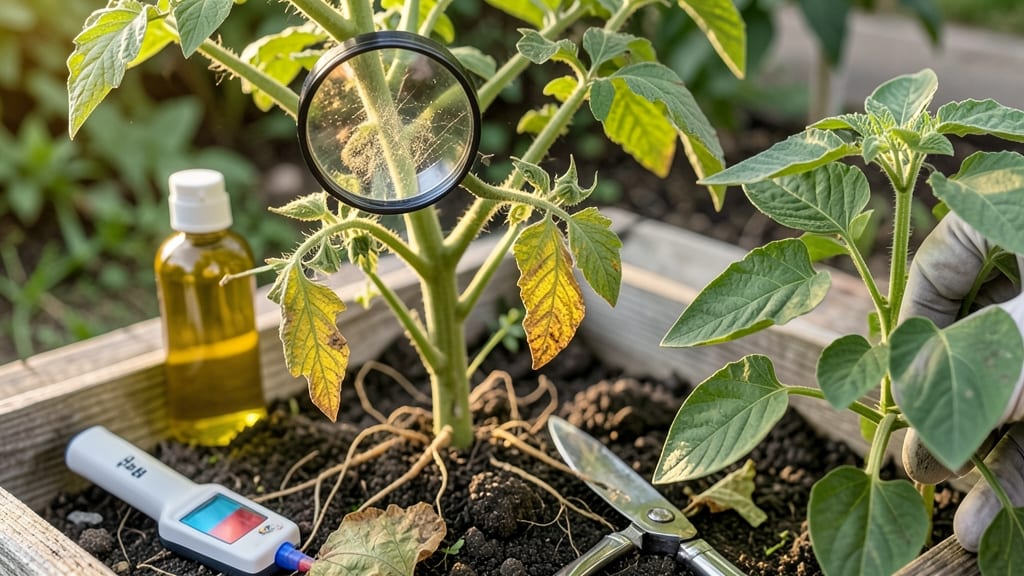
How do you treat leaf curl? The fast fix you need is copper spray—it can turn your sad, twisted plants back into thriving greenery in just days. 🌿 I’ve seen fungal blight ruin entire tomato plants in a week, but with the right treatment, you can bring them back to full, glossy health in days. The key is acting early and using the right spray.
Most leaf curl starts with fungal spores or mites that feed on plant sap, causing leaves to pucker and yellow. Tomatoes, citrus trees, and roses are especially vulnerable, but the good news is copper spray works on all of them.
It’s not just a bandage—it stops the fungus in its tracks and prevents it from spreading to other plants.
You’ll see results within 3-5 days of treatment if you catch it early. The leaves will unfurl, regain their color, and start growing strong again. Just mix the spray correctly, apply it at the right time of day, and repeat every 7-10 days until the problem disappears.
This method works for both indoor and outdoor plants, and it’s safe to use right up until harvest. The secret? Consistency. One application won’t cut it—you’ve got to be persistent until the fungus is gone for good.
Root Causes Behind Leaf Curl
Leaf curl isn’t just a random quirk of nature—it’s often a clear signal that something’s off in your plants’ environment or health. Understanding the why behind this condition is the first step to fixing it.
Below, we break down the most common culprits, from microscopic invaders to environmental stressors, with the science behind each one.
---
Fungal pathogens like Taphrina (common in fruit trees) or Venturia (affecting apples and pears) are the top culprits behind leaf curl. These fungi thrive in damp, cool conditions and infect plants through wounds, spores, or even healthy tissue.
- How it works: Fungi release enzymes that break down plant cell walls, causing cells to swell and curl upward. Over time, this distorts leaves, stunts growth, and reduces photosynthesis. - Red flags: Yellowing or brown curling edges, often starting on younger leaves.
Fungal leaf curl is especially common in peaches, plums, and citrus. - Pro tip: 🌡️ Check humidity levels—fungi love 70%+ moisture. Prune infected branches immediately to stop spore spread.
---
Viruses like Apple Mosaic Virus or Tomato Leaf Curl Virus hijack plant cells, altering their structure to create curled, distorted leaves. These pathogens spread via sap-sucking insects (aphids, whiteflies) or contaminated tools.
- How it works: Viruses insert their genetic material into plant cells, forcing them to produce abnormal proteins. This disrupts cell division, leading to stunted, curled growth. - Red flags: Symptoms appear asymmetrical (one side of the leaf curls differently).
Viral leaf curl often comes with mosaic patterns (light/dark patches). - Pro tip: 🛡️ Quarantine new plants for 2 weeks and use insect-proof netting to block vectors like aphids.
---
Plants are sensitive to extreme conditions, and sudden changes can trigger leaf curl as a defense mechanism. Here’s how:
| Stressor | How It Causes Curl | Fix It Fast | |--------------------|-----------------------------------------------|----------------------------------------| | Heat Stress | High temps (above 90°F) cause protein denaturation, scrambling cell structure. | 💦 Shade cloth + deep watering at root level. | | Cold Shock | Freezing temps rupture cell membranes, leading to puckered, curled leaves. | 🔥 Row covers for tender plants; avoid late-season fertilizing. | | Water Imbalance| Overwatering: Roots suffocate → nutrient starvation → curl. Underwatering: Cells lose turgor pressure. | ⏰ Check soil moisture 1" deep before watering; mulch to retain moisture. | | Wind Damage | Physical abrasion or transpiration stress (rapid water loss) curls edges. | 🌳 Windbreaks or staking for delicate plants. |
--- When plants lack key nutrients, they prioritize survival over aesthetics, often curling leaves as a distress signal. The most common offenders:
- Magnesium Deficiency (Chlorosis): Leaves curl upward with yellow patches between veins (a classic sign of low Mg).
Magnesium is crucial for chlorophyll production. - Fix: 💡 Epsom salt spray (1 tbsp/gallon) or dolomitic lime for soil. - Potassium Shortage: Leaves curl downward with brown edges (a sign of weak cell walls).
Potassium regulates water and nutrient transport. - Fix: Banana peel tea (steep peels in water for 24 hours) or potassium sulfate fertilizer. - Nitrogen Starvation: Pale, curled leaves with slow growth?
Your plant is hungry for protein-building nitrogen. - Fix: Fish emulsion or compost tea for a quick boost.
--- Some pests physically damage leaves, while others inject toxins that warp growth. Common culprits:
- Aphids/Whiteflies: Pierce cells with their mouthparts, sucking out sap and leaving behind curled, sticky leaves (from honeydew). - Fix: 🔥 Neem oil spray or introduce ladybugs. - Spider Mites: Tiny but destructive—they strip chlorophyll, causing silver-spotted, curled leaves. - Fix: Blast leaves with water to dislodge mites; horticultural oil for severe infestations. - Scale Insects: These sap-sucking sap-suckers secrete a waxy shield, distorting leaves as they feed. - Fix: Rub alcohol-soaked cotton swabs on infested areas.
--- Too much fertilizer, herbicide drift, or even hard water can scorch leaves, causing them to curl as a protective response.
- Symptoms: Crispy edges, curled downward, often paired with bleached spots. - Fix: - Flush soil with water to dilute salts. - Use chelated nutrients (like iron or manganese) to avoid buildup. - Test soil pH—extremes (below 6.0 or above 7.5) block nutrient uptake.
Fixing Leaf Curl for Good
Now that you know the root causes of leaf curl—whether it’s fungal infections, viral attacks, or environmental stress—it’s time to roll up your sleeves and tackle the problem head-on. The good news?
Most cases are treatable with the right approach. Below, we’ve mapped out practical fixes for each common cause, plus prevention tips to keep your plants healthy long-term.
---
Fungal leaf curl often shows up as thickened, curled leaves with yellow or brown spots. The key is early intervention and sanitation.
#### 🔥 Step 1: Remove Infected Leaves Immediately - How: Snip off curled or spotted leaves with sterilized pruners (wipe with rubbing alcohol between cuts). - Why: Prevents spores from spreading to healthy foliage. - Pro Tip: 💡 Drop infected leaves in a sealed plastic bag—don’t compost them!
#### 🍳 Step 2: Apply a Copper-Based Fungicide Copper is a natural antimicrobial that disrupts fungal growth.
Here’s how to use it effectively: - Option 1: Store-bought copper spray (e.g., Bonide Copper Fungicide, Daconil). - Mix as directed (usually 1 tbsp per gallon of water). - Spray both sides of leaves and stems until damp. - Option 2: Homemade copper solution (for mild cases): - Dissolve 1 tsp copper sulfate in 1 quart of water. - Add 1 tsp dish soap (as a sticker). - Spray at dusk (avoid direct sunlight, which can burn leaves). - Frequency: Apply every 7–10 days until symptoms disappear (usually 2–4 weeks).
#### 👨🍳 Step 3: Improve Air Circulation & Reduce Moisture Fungi thrive in humid, stagnant conditions. Fix this by: - Pruning overcrowded branches to allow airflow. - Watering at the base (not overhead) to keep leaves dry. - Using a fan on low speed near plants to circulate air.
#### 🌡️ Step 4: Adjust Watering Habits - Water deeply but infrequently—let the top 1–2 inches of soil dry out between waterings. - Avoid wet foliage—water in the early morning so leaves dry by evening.
---
Viruses are tricky—once a plant is infected, there’s no cure. Your goal is to contain and prevent spread.
#### ⏰ Step 1: Isolate the Infected Plant - Move it far from other plants (at least 10 feet away). - Dispose of severely infected plants (burn or trash—do not compost).
#### 🔪 Step 2: Sterilize Tools & Hands - Wash hands with soap after handling infected plants. - Disinfect pruners with 70% isopropyl alcohol or bleach water (1 part bleach to 9 parts water).
#### 🌱 Step 3: Strengthen Healthy Plants - Boost immunity with balanced fertilizer (10-10-10 or compost tea). - Encourage strong growth—healthy plants resist viruses better. - Remove weeds (they can harbor pests that spread viruses).
#### ✨ Prevention Tip: - Wear gloves when handling plants to avoid transmitting viruses through cuts. - Buy virus-tested seedlings from reputable nurseries.
---
If leaf curl is due to environmental factors, the fix is often adjusting care routines.
#### 🌡️ Step 1: Shield from Harsh Conditions - Heat stress? Move plants to partial shade (especially young or tender varieties). - Wind damage? Use windbreaks (burlap screens or stakes) for delicate plants. - Cold drafts? Protect with row covers or move potted plants indoors.
#### 💧 Step 2: Optimize Soil & Water - Test soil pH—most plants prefer 6.0–7.0.
Adjust with lime (to raise pH) or sulfur (to lower it). - Add organic matter (compost or worm castings) for better moisture retention. - Mulch (2–3 inches) to regulate soil temperature and reduce evaporation.
#### 🎯 Step 3: Gradual Acclimation - Hardening off seedlings: Expose them to outdoor conditions slowly (1–2 hours/day, increasing over a week). - Avoid sudden changes in temperature or light.
---
Stop leaf curl before it starts with these proactive steps:
| Prevention Tip | How to Do It | |----------------------------------|---------------------------------------------------------------------------------| | Rotate crops | Plant the same family (e.g., tomatoes, peppers) in a different spot each year. | | Use resistant varieties | Choose disease-resistant cultivars (e.g., ‘Defiant PhR’ tomatoes). | | Monitor pests | Check for aphids, whiteflies, or spider mites (they spread viruses). | | Clean up debris | Remove fallen leaves and plant waste after the season. | | Sanitize tools | Wipe pruners with rubbing alcohol before and after use. | | Boost plant health | Fertilize regularly and prune for airflow. |
--- Final Thought: 🌟 Leaf curl doesn’t have to be a death sentence—act fast, identify the cause, and adjust your care routine. With consistency, your plants will bounce back stronger than ever!
Frequently asked questions
Can I use baking soda to treat fungal leaf curl?
Yes, but it’s not as effective as copper spray for fungal leaf curl. A baking soda solution (1 tbsp baking soda + 1/2 tsp dish soap + 1 quart water) can help prevent fungal spread when sprayed on leaves. However, for active infections, copper fungicide is more reliable. Apply baking soda every 7-10 days as a preventive measure, especially in humid conditions.
How do I know if my plant has viral leaf curl or fungal leaf curl?
Look for these key differences: Viral leaf curl often shows asymmetrical curling with mosaic patterns (light/dark patches), while fungal leaf curl appears as thickened, curled leaves with yellow/brown spots. Viral symptoms also spread unevenly, while fungal infections usually start on younger leaves and progress outward. Test for viruses by checking for aphids or whiteflies—common virus carriers.
Will pruning infected leaves help stop the spread of leaf curl?
Pruning infected leaves immediately is the first step to stopping fungal or viral spread. Use sterilized pruners (wipe with rubbing alcohol) and dispose of infected leaves in a sealed bag. For fungal curl, prune at least 1 inch below the curled area to remove hidden spores. Repeat weekly until new growth appears healthy.
Can I save a plant with severe leaf curl caused by a virus?
Unfortunately, there’s no cure for viral leaf curl, but you can contain it. Isolate the plant 10+ feet away from others, sterilize tools after use, and strengthen nearby plants with balanced fertilizer. For severe cases, consider removing the plant entirely to prevent virus spread. Prevention is key—buy virus-tested seedlings and monitor for pest vectors like aphids.
How often should I apply copper spray for fungal leaf curl?
Apply copper spray every 7-10 days until symptoms disappear (usually 3-4 weeks). For prevention, reduce to every 2-3 weeks during humid seasons. Always spray at dusk to avoid leaf burn from sunlight. Mix fresh each time—copper loses effectiveness when stored for more than a few days.