
Pests
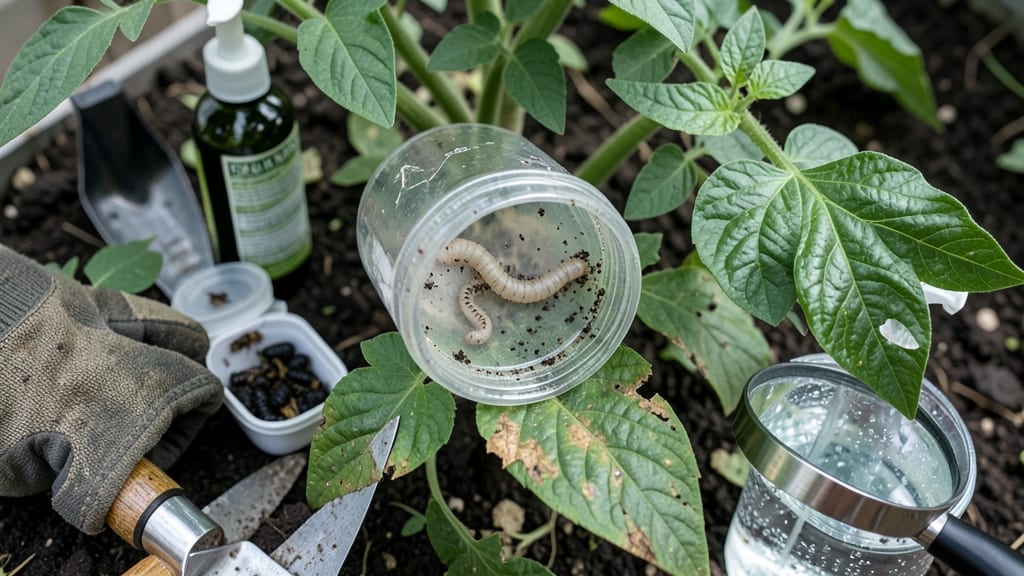
Leafminers turn your lush plants into skeleton leaves in minutes—unless you act fast. 🌿 I've battled these tiny pests in everything from basil to roses, and the key is a two-step fix: prune the damage and spray with organic solutions that actually work.
The damage starts small—tiny white trails on leaves—but left unchecked, it spreads like wildfire. My first mistake was waiting too long to act. Now I remove affected leaves immediately and treat the plant with neem oil or insecticidal soap, which smothers the larvae before they hatch.
Within a week, you'll see new growth pushing out, and the plant will bounce back stronger. The secret is consistency: check plants weekly, especially in warm weather when leafminers thrive. Works for vegetables, herbs, and ornamental plants alike.
Here's the exact spray recipe and pruning schedule that stops them in their tracks.
The real culprits behind leafminers
Leafminers may seem like a mysterious, sudden scourge on your plants, but their presence is almost always tied to a few key factors. Understanding these causes is the first step in preventing and treating infestations.
Let’s break down the science behind why these tiny pests target your garden—and how you can mitigate the risk.
Leafminers thrive when plants are stressed or weakened, making them prime targets for attack. Here’s why:
- Nutrient Deficiencies: Plants lacking essential nutrients (like nitrogen, phosphorus, or potassium) are more vulnerable. A deficiency weakens cell walls, making it easier for leafminer larvae to burrow into leaves. - Poor Soil Health: Compacted, waterlogged, or nutrient-poor soil restricts root growth.
When roots can’t absorb water and nutrients efficiently, the entire plant suffers, signaling to pests like leafminers that it’s an easy meal. - Overcrowding: Plants competing for sunlight, water, and nutrients in dense foliage are more susceptible.
Leafminers exploit this stress, as crowded plants can’t mount a strong enough defense. - Disease or Damage: Previous pest attacks, fungal infections, or physical damage (like hail or improper pruning) create entry points for leafminers. A compromised plant is an open invitation.
Actionable Insight: 💡 Conduct a soil test to check nutrient levels and amend with compost or organic fertilizers. Space plants properly to improve airflow and reduce stress.
Leafminers don’t just appear out of nowhere—they’re drawn to specific conditions that favor their life cycle. Here’s what makes your garden a leafminer paradise:
- Warm Temperatures: Leafminers are most active in temperatures between 60–85°F (15–30°C). Cooler climates slow their development, but warm springs and summers create perfect breeding conditions. - High Humidity: Moist environments help leafminer eggs hatch and larvae survive.
Overhead watering or shaded, damp areas (like under dense canopies) are hotspots for infestations. - Seasonal Timing: Leafminers often emerge in early spring, coinciding with new leaf growth. Their larvae feed on tender, young leaves, which are easier to penetrate than mature foliage.
Actionable Insight: 🌡️ Monitor humidity levels and avoid overhead watering. Prune plants to improve sunlight penetration and reduce moisture retention.
Not all plants are equally tempting to leafminers—some are downright irresistible. These pests have favorite hosts, often targeting:
- Tender, Succulent Leaves: Plants with soft, thin leaves (like basil, beans, celery, and spinach) are prime targets.
The larvae can easily chew through them, creating the telltale serpentine mines. - Fast-Growing Vegetables: Leafminers love plants that produce rapid new growth, such as lettuce, Swiss chard, and brassicas (cabbage, kale, broccoli).
The constant supply of fresh leaves sustains their populations. - Ornamental Favorites: Some leafminers prefer non-edible plants, including roses, viburnum, and lilacs, where they can go unnoticed until the damage is severe.
Actionable Insight: 🎯 Rotate crops annually to disrupt leafminer life cycles. Interplant with less preferred hosts (like marigolds or nasturtiums) to deter them naturally.
In a balanced ecosystem, leafminers are kept in check by predators. But when these natural controls are missing, infestations spiral. Common predators include:
- Parasitic Wasps: Tiny wasps like Diglyphus isaea lay eggs inside leafminer larvae, eventually killing them. Without these wasps, leafminer populations explode. - Birds and Lizards: Birds and reptiles feed on adult leafminers and pupae, reducing their numbers.
Urban or suburban gardens with fewer wildlife visitors may see more infestations. - Ground Beetles and Spiders: These beneficial insects prey on leafminer eggs and young larvae. Pesticides (even some "organic" ones) can disrupt these ecosystems.
Actionable Insight: ✨ Encourage biodiversity by planting native flowers, avoiding broad-spectrum pesticides, and providing habitats like birdhouses or insect hotels.
Leafminers don’t always start in your garden—they can hitchhike on wind, water, or even human activity. Here’s how:
- Windborne Adults: Female leafminers (tiny moths) are often blown into gardens from nearby fields or wild areas.
Once they land, they lay eggs on susceptible plants. - Water Dispersal: Flooding or heavy rain can carry leafminer pupae or eggs into new areas, especially in low-lying or poorly drained soil. - Contaminated Tools or Plants: Moving infested plants (even potted ones) or using unsterilized pruners can transport leafminers to clean gardens.
Actionable Insight: 🚫 Inspect new plants before bringing them home, and sterilize tools with rubbing alcohol between uses. Quarantine new additions for a few days to monitor for pests.
Quick Fixes for Leafminer Damage
Leafminers may sound intimidating, but with the right approach, you can tackle them effectively—without resorting to harsh chemicals. Below are practical, step-by-step solutions tailored to the most common causes of leafminer infestations, along with prevention tips to keep them from returning.
Cause: Tiny larvae tunneling under leaves before damage spreads. Fix: Catch them before they multiply!
- Inspect leaves daily – Look for serpentine trails or blister-like mines on the undersides of leaves. Early action prevents full-blown outbreaks.
- Handpick larvae – Use a damp paper towel to gently scrape off visible larvae (they’re small, yellow, or green).
Drop them into soapy water to kill them. 3. Prune heavily infested leaves – Snip off severely damaged foliage (wear gloves!) and compost away from your garden to stop the cycle.
💡 Pro Tip: Do this first thing in the morning—larvae are sluggish and easier to spot when cool.
Cause: Established infestations where larvae are deep in leaf tissue. Fix: Use natural, plant-safe sprays to suffocate and deter leafminers.
| Spray Solution | How to Use | Best For |
|---|---|---|
| Neem Oil Spray | Mix 1 tsp neem oil + 1 tsp mild soap + 1 quart water. Spray top and bottom of leaves. Repeat every 5–7 days. | All life stages (eggs, larvae, adults) |
| Insecticidal Soap | Use a store-bought or homemade (1 tbsp castile soap + 1 quart water). Spray directly on mines—it smothers larvae. | Active larvae (not eggs) |
| Kaolin Clay Spray | Mix 2 tbsp kaolin clay + 1 gallon water. Creates a protective film that repels adults. | Prevention & early infestations |
| Garlic & Chili Pepper Spray | Blend 3 garlic cloves + 1 tbsp cayenne + 1 quart water. Strain and spray. | Deters adult flies from laying eggs |
⚠️ Always test sprays on a small leaf first—some plants (like citrus) may be sensitive to soap.
Cause: Leafminers thrive when natural predators are absent. Fix: Introduce friendly insects that eat leafminer larvae.
- Release parasitic wasps (like Diglyphus isaea or Chrysocharis parksi) – These tiny wasps lay eggs inside leafminer larvae, killing them from within. Order online or find them at garden centers.
- Encourage lacewings & ladybugs – These predators devour leafminer eggs and larvae.
Plant dill, fennel, or marigolds to attract them. 3. Use nematodes (Steinernema feltiae) – Apply beneficial nematodes to soil to target pupating larvae. Water the soil evenly at dusk for best results.
🌡️ Pro Tip: Avoid broad-spectrum pesticides—they kill beneficial insects too!
Cause: Old leaves and garden debris harbor overwintering pupae. Fix: Clean up thoroughly to break the leafminer life cycle.
- Remove all infested leaves – Even fallen leaves can harbor pupae. Bag and trash them (don’t compost).
- Prune affected branches – Cut back severely damaged stems to improve airflow and reduce hiding spots.
- Sterilize pruners – Wipe blades with rubbing alcohol between cuts to prevent spreading larvae.
- Mulch strategically – Use straw or wood chips (not leaves) to smother pupae in the soil.
✨ Prevention Bonus: Rotate crops if growing vegetables—leafminers often target the same plants yearly.
Leafminers have a predictable life cycle—strike at the right time for best results.
| Season | Action Plan |
|---|---|
| Early Spring | Apply kaolin clay spray to prevent adult flies from laying eggs. |
| Late Spring | Release parasitic wasps and spray neem oil every 7–10 days. |
| Summer | Handpick larvae weekly and prune heavily infested leaves. |
| Fall | Deep-clean garden beds, remove all plant debris, and till soil (if possible) to expose pupae. |
To keep leafminers away for good, follow this year-round routine: ✅ Monitor plants weekly – Catch infestations early. ✅ Encourage biodiversity – Plant flowers like alyssum or dandelions to attract predator insects. ✅ Avoid over-fertilizing – Leafminers love soft, new growth—balance nitrogen for healthy but tough leaves. ✅ Use row covers – For high-risk plants (like brassicas), cover young plants with fine mesh netting.
With these targeted, organic methods, you can eliminate leafminers fast—and keep your plants thriving without chemicals. 🚀
Frequently asked questions
Why do leafminers keep coming back even after I treat them?
Leafminers often return because their life cycle includes overwintering pupae in soil or debris. Even after treating active infestations, hidden pupae can emerge later. Always remove ALL plant debris (including fallen leaves) and till the soil in fall to expose and kill remaining pupae. Also, check nearby plants—leafminers spread quickly via wind.
Can I use neem oil on edible plants like lettuce or herbs?
Yes, neem oil is safe for edible plants when used correctly! Just apply it at least 24 hours before harvesting and avoid spraying flowers (to protect pollinators). For herbs like basil or parsley, use the spray in the evening when bees are less active. Always test a small leaf first—some sensitive varieties may react.
What's the fastest way to stop leafminers on young seedlings?
For seedlings, act immediately with a kaolin clay spray—it creates a protective barrier that repels adult flies. Combine this with fine mesh row covers (like agricultural fabric) to physically block egg-laying moths. Check seedlings daily for early signs and remove any infested leaves immediately to prevent spread.
Will leafminers damage my plants permanently?
Not if caught early! While severe infestations can stress plants, most recover fully with proper care. The key is removing damaged leaves and treating the plant before more than 20% of foliage is affected. Healthy plants bounce back quickly—just keep up with weekly inspections and treatments during peak leafminer season (spring/summer).
How do I know if my leafminers are gone for good?
Consider them eliminated when you've gone 4-6 weeks without seeing new mines and your plants show fresh, undamaged growth. For extra confirmation, check the undersides of leaves regularly during warm months. If you spot even one new mine, treat immediately—leafminers reproduce quickly!