
Fertilization
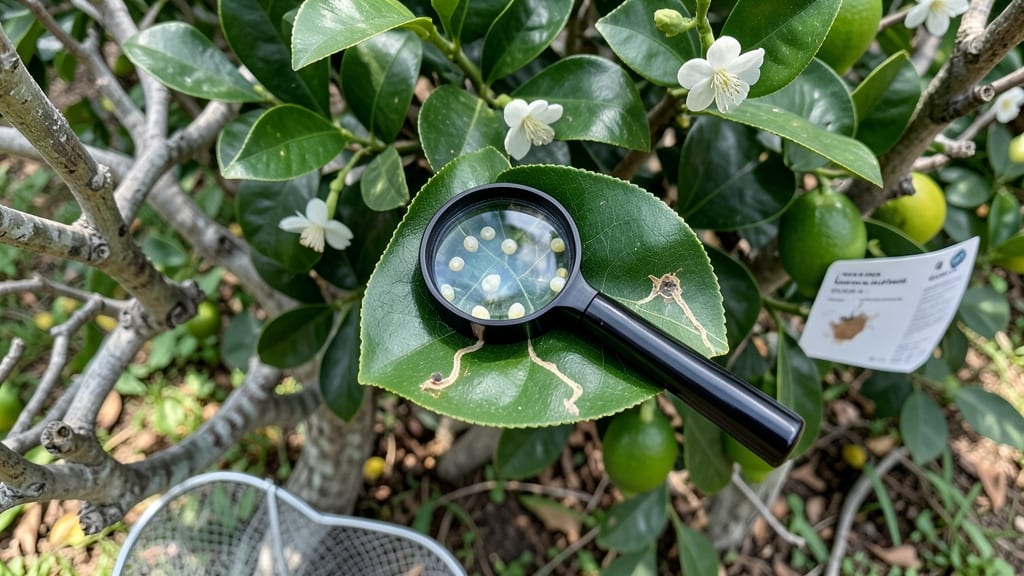
Those tiny white specks on your citrus leaves aren’t just dust—they’re citrus leafminer eggs, and they’re about to turn your plant’s foliage into skeletonized lace if you don’t act fast. 🌿 I’ve watched this pest strip entire trees bare in just a few weeks, but neem oil spray is the game-changer that stops them in their tracks before they hatch.
The first sign is usually those barely-there white eggs clustered on the undersides of leaves—so small you might miss them unless you inspect closely. Once the larvae emerge, they’ll tunnel through the leaves, leaving behind winding trails of damage that weaken the plant and make it vulnerable to disease.
The key is catching them early, when they’re still just eggs, not when they’ve already started their destructive work.
With neem oil, you’re not just treating the problem—you’re disrupting the leafminers’ life cycle at its most vulnerable stage.
A properly timed spray can prevent 90% of hatching, and the process is simpler than you’d think: mix the oil with water, add a drop of dish soap, and apply it thoroughly to both leaf surfaces. Within days, you’ll see new growth pushing out, healthy and unmarked.
This method works for both indoor citrus trees and outdoor groves, and it’s safe to use right up until harvest—no waiting periods or chemical residues. The secret is consistency: reapply every 7-10 days until you’ve seen two full leaf cycles without new eggs appearing.
Your citrus will thank you with glossy, damage-free foliage all season long.
📚 In This Guide
- What you need
- Instructions
- Tips and common mistakes
- Wrapping up and next steps
What you need
- ● Neem oil (cold-pressed, organic): 1–2 tablespoons per quart of water (or follow label instructions for concentration). Look for 100% pure, cold-pressed neem oil for best results.
- ● Water: 1 gallon (divided into two parts: 1 quart for mixing, 3 quarts for dilution). Use lukewarm water to help the oil emulsify.
- ● Dish soap or horticultural oil: ½ teaspoon (helps the neem oil stick to leaves). Avoid harsh detergents—opt for mild, plant-safe options.
- ● Spray bottle or pump sprayer: 1–2 gallons capacity (a hose-end sprayer works for larger trees). Clean thoroughly after use to prevent clogging.
- ● Gloves and safety goggles: 1 pair each (neem oil can irritate skin and eyes). Long sleeves are a plus!
- ○ Pruning shears (optional but helpful): For trimming heavily infested leaves before spraying.
- ● Garlic or chili pepper spray: 1–2 tablespoons added to the mix (enhances repellent properties). Great for extra pest deterrence!
- ● Liquid kelp or fish emulsion: 1 teaspoon (boosts plant immunity). Mix in after neem oil solution is ready.
- ● Fine mesh strainer: To filter out any undissolved particles before spraying.
- ● Label or marker: To tag your spray bottle with the date and ingredients.
Step-by-Step instructions for treating citrus leafminer eggs
Here's how I tackle those pesky white spots before they turn into full-blown leafminer infestations.
🔍 Step 1: Inspect Leaves for Early Signs
Start by examining the undersides of leaves—this is where leafminer eggs love to hide. Look for tiny, white, rice-like specks clustered along the veins or midribs. I use a 10x magnifying glass to spot them early, before they hatch into larvae. Focus on new growth first, as eggs prefer tender, fresh leaves.
Gently shake the tree to dislodge any loose eggs or debris. This isn't a treatment step, but it helps you confirm the problem before spraying. If you find eggs, act fast—larvae emerge within 3-7 days, depending on temperature. The sooner you treat, the easier it is to control the infestation.
🌿 Step 2: Prepare the Neem Oil Spray
Mix 1 teaspoon of pure, cold-pressed neem oil with 1 quart of water in a spray bottle. Add ½ teaspoon of liquid soap (like Castile soap) to help the oil adhere to leaves. I stir gently to avoid creating suds, which can clog spray nozzles. Shake well before each use—neem oil separates from water.
Test the spray on a small leaf first to ensure it doesn’t cause damage. Neem oil is generally safe for citrus, but some varieties can be sensitive. Wait 24 hours to confirm no adverse reactions before full application. Avoid spraying when temperatures exceed 90°F, as this can stress the plant.
💧 Step 3: Apply the Spray Thoroughly
Spray the undersides of leaves first—this is where eggs and larvae hide. Use a fine mist to ensure even coverage, focusing on new growth and areas with visible eggs. I like to work in the early morning or late afternoon to avoid direct sunlight, which can cause the spray to dry too quickly and reduce effectiveness.
Reapply the spray every 5-7 days for 3-4 weeks, even if you don’t see eggs anymore. This breaks the leafminer life cycle and prevents reinfestation. If your tree is large, break the task into sections—spraying the entire tree at once can be overwhelming and may lead to missed spots.
✂️ Step 4: Monitor and Maintain Control
After treatment, keep an eye out for new eggs or signs of larvae. Remove heavily infested leaves by pruning them off with clean, sharp shears. Dispose of pruned leaves in a sealed bag—never compost them, as eggs or larvae can survive and reinfest your garden.
Encourage natural predators like ladybugs and lacewings by planting companion flowers like marigolds or alyssum nearby. These beneficial insects feed on leafminers and help keep populations in check. If you notice yellowing leaves or excessive leaf drop, reduce watering slightly—stressed plants attract more pests.
🌞 Step 5: Prevent Future Infestations
Once your tree is pest-free, focus on prevention. Keep the area under the tree free of debris, as leafminers thrive in leaf litter. Prune your citrus tree regularly to improve airflow and reduce humidity, which deters leafminers. I also apply a light mulch layer around the base to retain moisture and support overall tree health.
Consider a preventative spray schedule during peak leafminer season (spring and summer). A diluted neem oil spray every 2-3 weeks keeps eggs and larvae at bay without harming the tree. Healthy citrus trees are more resilient, so prioritize proper watering, fertilization, and sunlight to keep your tree strong and pest-resistant.
Tips & tricks for treating citrus leafminer eggs
Here's what I've learned after dealing with leafminer infestations myself—these tricks make all the difference in effectiveness.
Early Detection is Key: I can't stress enough how important it is to catch those tiny white specks early in Step 1. Those eggs are microscopic—if you wait until you see larvae or damage, you've already lost the battle. I keep a 10x magnifying glass handy specifically for this purpose, and I check new growth every 3-4 days during warm months. The sooner you spot them, the easier they are to eliminate before they hatch.
Mixing the Spray Right: When preparing your neem oil mixture in Step 2, don't just eyeball it—measure that 1 teaspoon of neem oil and ½ teaspoon of soap precisely. Too much soap can damage leaves, while too little oil reduces effectiveness. I use a separate container for mixing to avoid cross-contamination with other garden sprays. Also, shake that bottle vigorously before each use—neem oil and water separate quickly, and you want an even distribution every time.
Timing Your Spray Applications: The 5-7 day reapplication schedule in Step 3 is non-negotiable for breaking the life cycle. But here's the secret: I always spray on days with light winds and temperatures below 85°F. Hotter days can cause the spray to evaporate too quickly, while wind can blow it off leaves before it works. Early morning applications give the solution time to fully absorb before the sun intensifies.
Natural Predator Boost: While not part of the neem oil treatment, I've found that planting marigolds and alyssum near my citrus trees (as mentioned in Step 4) makes a huge difference. These flowers attract ladybugs and lacewings, which are natural leafminer predators. I plant them in early spring, just as leafminers become active, and they've cut my treatment needs in half over the years.
Pro Tips for Citrus Leafminer Eggs
- Here's what I've learned after dealing with leafminer infestations myself—these tricks make all the difference in effectiveness.
- Early Detection is Key: I can't stress enough how important it is to catch those tiny white specks early in Step 1.
- Mixing the Spray Right: When preparing your neem oil mixture in Step 2, don't just eyeball it—measure that 1 teaspoon of neem oil and ½ teaspoon of soap precisely.
Frequently asked questions
Got questions about citrus leafminer eggs and neem oil treatments?
Here are answers to the most common concerns—from identification to troubleshooting—so you can tackle this pest problem with confidence!
How do I know if the tiny white spots on my citrus leaves are leafminer eggs?
Leafminer eggs appear as tiny, white, oval bumps on the top surface of leaves, often near veins. Use a magnifying glass to confirm—eggs are about 0.5mm long and clustered in groups. If you spot serpentine mines (wavy tunnels inside leaves) later, that’s a sure sign of larvae activity!
When is the best time to spray neem oil for citrus leafminer eggs?
Apply neem oil at dusk or dawn when bees are less active, and every 5–7 days for 3–4 weeks. Target eggs and early larvae—spray the top and bottom of leaves thoroughly. Avoid spraying when rain is forecast within 24 hours to prevent washing off the treatment.
Can I use neem oil on all citrus varieties, or will it harm some plants?
Neem oil is safe for most citrus (oranges, lemons, limes, grapefruits), but test a small area first—some sensitive varieties (like calamondins) may react. Avoid overhead spraying on flowering trees, as it can deter pollinators. Organic neem oil (cold-pressed) is gentler than refined versions.
What if neem oil doesn’t work? Are there other natural remedies?
If neem oil fails, try these alternative methods:
- Kaolin clay spray: Creates a protective barrier; reapply every 7–10 days.
- Horticultural oil: More potent than neem; use in winter when no foliage is present.
- Beneficial nematodes (Steinernema carpocapsae): Target larvae in soil.
- Handpick larvae: Use tweezers to remove green, worm-like larvae from mines.
Pro tip: Combine neem oil with insecticidal soap for better efficacy!
Why do I keep seeing new eggs after treatment?
New eggs may appear due to reinfestation (new adult flies laying eggs) or resistant larvae. To break the cycle:
- Increase spray frequency to every 5 days.
- Use yellow sticky traps to catch adult leafminers.
- Remove and destroy heavily infested leaves (bag and trash them).
- Consider row covers for young trees to block adults.
Warning: If infestations persist, consult a local extension office—they may recommend targeted pesticides.
Wrapping up and next steps
Identifying and treating citrus leafminer eggs early with a neem oil spray can save your citrus trees from severe damage—and the good news is, you’ve got the tools to tackle this pest like a pro! 🌿 By understanding their life cycle, spotting those telltale white spots, and applying natural remedies, you’re not just protecting your plants, you’re nurturing a healthier garden.
Ready to take action? Start with a quick inspection of your citrus trees this weekend—early detection is your best defense! If you spot eggs or mines, grab your neem oil solution and give your trees the care they deserve. Your future harvest (and happy citrus trees!) will thank you. 🍊✨