
Pests and Diseases
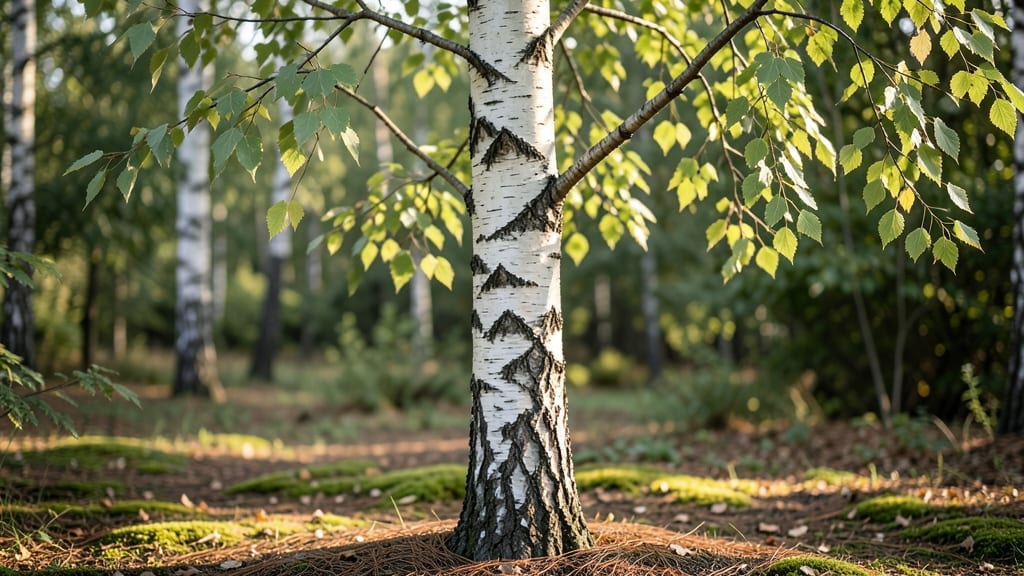
The grey birch leaf (Betula pendula) transforms shade gardens with its striking silver-blue foliage that stays vibrant even after frost. 🌿 I’ve grown these trees for years, and the way their leaves shimmer in morning light—especially in partial shade—makes them a standout.
What sets them apart is their ability to thrive where other trees struggle, even in rocky or poor soils.
These leaves are narrower and more triangular than other birch varieties, with a distinctive grey-green hue that deepens in cooler weather. The key to growing them successfully lies in mimicking their natural habitat: well-draining soil, full sun to partial shade, and minimal fuss once established.
They’re also surprisingly low-maintenance, making them perfect for gardeners who want beauty without the upkeep.
By planting grey birch in early spring or fall, you’ll see rapid growth and that signature foliage within a season. Their frost resistance means you won’t lose leaves to early cold snaps, and their peeling bark adds winter interest.
The best part? They attract pollinators and birds, turning your garden into a thriving ecosystem.
Whether you’re adding height to a shady corner or creating a natural privacy screen, grey birch leaves deliver year-round texture and color. Here’s how to get started with planting, pruning, and troubleshooting common issues—so you can enjoy their unique beauty without the guesswork.
Why it happens
When your birch tree’s leaves turn grey—whether it’s a Betula papyrifera (paper birch) or Betula pendula (silver birch)—it’s rarely a coincidence. The issue usually stems from a mix of environmental stress, fungal infections, or pest activity.
Understanding these triggers helps you address the problem before it spreads. Let’s break down the most common culprits and why they turn leaves grey.
Birch trees are frost-resistant, but sudden temperature swings—especially late frosts or early autumn chills—can shock the foliage. When nights dip below freezing (<32°F) after a warm spell, cells in the leaves rupture, leading to:
- Chlorophyll breakdown: Cold stress disrupts photosynthesis, causing leaves to lose their green pigment and turn greyish-white or silvery.
- Cell membrane damage: Ice crystals form in leaf tissues, rupturing them and triggering necrosis (dead tissue). This often starts at the leaf edges and spreads inward.
- Delayed bud break: If buds open too early in spring, a late frost can scorch emerging leaves before they fully harden.
Actionable fix: Monitor your local USDA hardiness zone and protect young trees with frost cloth during unpredictable weather. Mulch the root zone to insulate roots and regulate soil temperature.
Fungi thrive in damp, shaded conditions—perfect for birch trees in woodland gardens. Two common pathogens turn leaves grey:
Disease
Symptoms
Cause
Birch Leaf Spot (e.g., Marssonina betulae)
Small, circular grey or tan spots with dark borders; leaves may drop prematurely.
Spores spread via rain or overhead irrigation. Warm, wet springs accelerate outbreaks.
Powdery Mildew (Erysiphe alphitoides)
Greyish-white, powdery coating on leaf surfaces; leaves may curl or yellow.
Fungal spores germinate in humid conditions (70–80% humidity) and low light.
Actionable fix:
- ✅ Improve airflow: Prune dense branches to reduce humidity around the canopy.
- ✅ Water at the base: Avoid wetting foliage; use drip irrigation or soaker hoses.
- ✅ Fungicide treatment: Apply neem oil or copper fungicide at the first sign of spots (follow label rates).
Insects like birch leafminers and spider mites don’t just feed on leaves—they inject toxins that trigger greyish discoloration. Here’s how:
- Birch Leafminers (Fenusa pusilla): Larvae tunnel between leaf layers, causing silvery-white blotches as they feed on chlorophyll.
- Spider Mites (Tetranychus urticae): These microscopic pests suck cell sap, leading to stippling (tiny grey or white dots) and webbing on undersides.
- Scale Insects: Heavy infestations weaken leaves, causing them to turn greyish and brittle.
Actionable fix:
- 🔍 Scout for early signs: Check leaf undersides with a magnifying glass for eggs, webbing, or tiny moving dots.
- 💦 Blast off pests: Spray leaves with a strong stream of water to dislodge mites or leafminers.
- 🌿 Introduce predators: Ladybugs and lacewings prey on mites; attract them with neem oil or insecticidal soap.
Grey leaves can signal a lack of key nutrients, especially in poor or compacted soil. Birch trees need:
- Magnesium (Mg): Deficiency causes interveinal chlorosis (greyish-yellow patches between veins).
- Potassium (K): Low levels lead to weak, greyish foliage prone to disease.
- Nitrogen (N): While excess nitrogen causes lush but weak growth, deficiency results in pale, greyish leaves.
Actionable fix:
- 📊 Test your soil: Use a DIY soil test kit to check pH (ideal: 4.5–6.0 for birch) and nutrient levels.
- 🌱 Amend the soil: Mix in compost or well-rotted manure for organic matter. For quick fixes, use a balanced fertilizer (10-10-10) in early spring.
- 💡 Target-feed: For magnesium, apply Epsom salt (1 tbsp per gallon of water) as a foliar spray.
Pro Tip: 💡 If grey leaves appear only on new growth, the issue is likely environmental or pest-related. If it’s systemic across the tree, dig deeper into soil health or root diseases like armillaria root rot.
Quick Fixes for Leaf Issues
When your grey birch’s leaves start looking less than vibrant—whether it’s yellowing, browning, curling, or spotted—don’t panic. Most problems have simple, actionable solutions. Below, we’ve mapped common issues to their fixes, so you can revive your tree with minimal effort.
Plus, we’ll share prevention tips to keep your birch thriving long-term.
Cause: Yellowing leaves often signal iron deficiency (chlorosis), poor drainage, or inconsistent watering.
How to Fix It:
- Test Your Soil 🧪
- Grab a soil sample (6 inches deep) and check its pH. Grey birch prefers slightly acidic to neutral soil (pH 5.0–7.0).
- If pH is too high (alkaline), mix in sulfur or peat moss to lower it gradually.
- Fertilize Smartly 🌿
- Apply a balanced, slow-release fertilizer (10-10-10 or 20-20-20) in early spring.
- For iron deficiency, use chelated iron supplements (like Ironite) every 2–3 months.
- Adjust Watering Habits 💧
- Overwatering? Let the top 2–3 inches of soil dry out between waterings.
- Underwatering? Deep water 1–2 times per week (more in extreme heat).
Prevention Tips: ✅ Mulch properly – Use 3–4 inches of organic mulch (wood chips, pine straw) to retain moisture and regulate soil temp. ✅ Avoid compacted soil – Aerate around the root zone if the ground feels hard. ✅ Water deeply, not frequently – Encourages strong root growth.
Cause: Dry air, salt buildup, or winter burn (from sudden temperature swings) can scorch leaves.
How to Fix It:
- Boost Humidity 🌧️
- If your birch is in a dry, windy area, install a windbreak (like a fence or shrubs) or use a mist system during heatwaves.
- Group it with other plants to create a microclimate.
- Flush the Soil 🚿
- Salt or chemical buildup? Water the tree slowly for 15–20 minutes to leach out excess salts.
- Avoid fertilizing in summer heat—stick to spring or fall.
- Protect from Winter Burn ❄️
- Wrap the trunk with tree guard or burlap in late fall.
- Avoid late-season fertilizing—it encourages new growth that can’t survive frost.
Prevention Tips: 💡 Choose the right location – Grey birch loves partial shade but tolerates full sun; avoid hot, exposed spots. 💡 Water before winter – A deep soak in late fall helps roots withstand freezing temps. 💡 Monitor for pests – Spider mites (common in dry conditions) can worsen browning.
Cause: Birch leafminers, aphids, or fungal infections (like powdery mildew) can twist and distort foliage.
How to Fix It:
- Identify the Culprit 🔍
- Leafminers? Look for white, squiggly trails inside leaves.
- Aphids? Check for sticky residue (honeydew) and tiny clusters on stems.
- Powdery mildew? See white, flour-like dust on leaf surfaces.
- Treat Pests Naturally 🐞
- Leafminers: Spray with neem oil (mix 1 tbsp neem oil + 1 tsp mild soap + 1 quart water) every 7–10 days until infestation clears.
- Aphids: Blast off with a strong water spray or introduce ladybugs (natural predators).
- Mildew: Apply baking soda spray (1 tsp baking soda + 1 quart water + few drops of soap) every 2 weeks.
- Prune Infected Areas ✂️
- Remove and destroy severely damaged leaves (don’t compost them—bag and trash).
- Thin the canopy to improve airflow (prevents fungal spread).
Prevention Tips: ✨ Encourage beneficial insects – Plant dill, fennel, or marigolds nearby to attract predator bugs. ✨ Space trees properly – Give birches 15–20 feet of clearance to reduce humidity and disease risk. ✨ Clean up fallen leaves – Pile them in the trash (not compost) to prevent overwintering pests.
Cause: Anthracnose, birch leaf spot, or caterpillars create unsightly holes and spots.
How to Fix It:
- Fungal Spot Treatment 🍄
- Prune out infected branches and dispose of them.
- Spray with copper fungicide (like Copper Soap) every 3–4 weeks until new growth appears.
- Caterpillar Control 🐛
- Handpick large larvae (drop them in soapy water).
- Use Bt (Bacillus thuringiensis)—a natural, organic pesticide safe for pets and kids.
- Improve Air Circulation 🌬️
- Thin the tree by removing crossing or crowded branches.
- Avoid overhead watering—use drip irrigation to keep leaves dry.
Prevention Tips: 🎯 Water at the base – Never spray leaves to prevent fungal spores from splashing. 🎯 Plant resistant varieties – Some grey birch cultivars (like Betula populifolia) are less prone to disease. 🎯 Monitor regularly – Check leaves weekly in spring/summer for early signs of trouble.
Final Pro Tip: 🌟 Grey birch is tough but not indestructible—most issues stem from simple fixes like better watering, pruning, or pest control. Act fast when you spot problems, and your birch will bounce back stronger! For persistent issues, consult a local arborist to diagnose deeper root causes.
Frequently asked questions about grey birch leaves
How can I tell if my birch tree has grey birch leaves?
Grey birch (Betula pendula) leaves are triangular with a distinctive silver-blue hue that’s lighter than other birch varieties. They’re also narrower and have finely serrated edges. Compare them to paper birch leaves, which are more oval-shaped and have a whiter bark. The undersides are often paler than the tops.
Why do grey birch leaves turn brown in late summer?
This is usually normal! Grey birch leaves often naturally brown and drop in late summer or early fall as the tree prepares for winter. However, if browning happens in mid-summer or affects only parts of the tree, check for underwatering, pest damage, or fungal infections like powdery mildew.
Can I use grey birch leaves for mulch?
Yes, but with caution. Fresh grey birch leaves can mat down and smother soil, so shred them first or mix with other organic matter. They decompose quickly and add nutrients, but avoid piling them directly against the trunk. For best results, use them as a top layer mulch mixed with wood chips.
How do I prevent grey birch leaves from getting leafminers?
Leafminers are common pests for birch trees. To prevent them, prune for airflow (remove dense branches), apply neem oil in early spring, and clean up fallen leaves (they overwinter in leaf litter). Planting marigolds nearby can also deter pests naturally by attracting beneficial insects.
Will grey birch leaves grow well in containers?
While possible, grey birch trees prefer ground planting due to their size. If you must container-grow, use a large pot (20+ gallons) with well-draining soil and regular watering. They’ll need annual repotting and may grow slower than in-ground specimens. Young saplings adapt best to containers.