
Planting
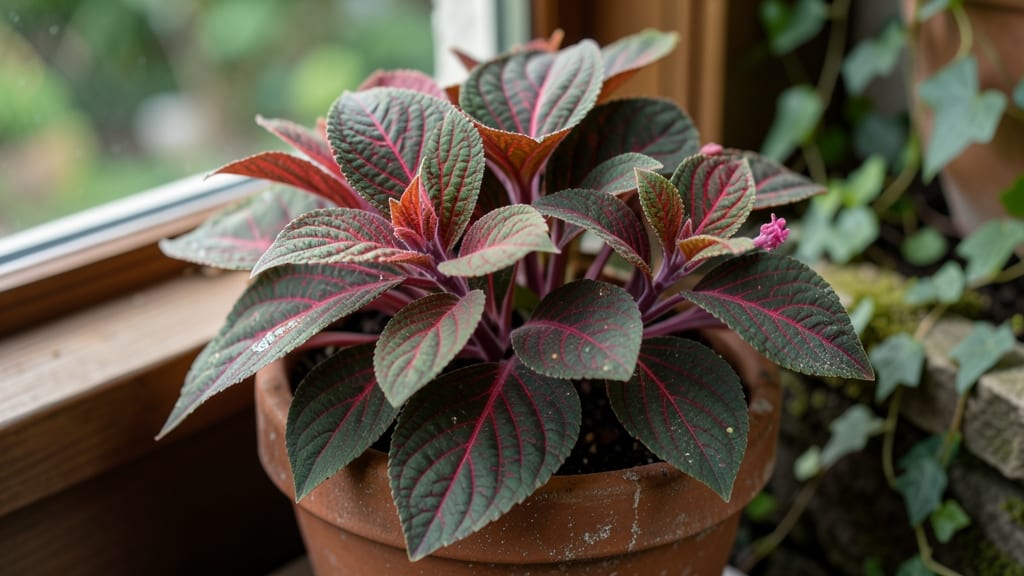
Green leaf red veins plants create bold visual statements through their striking foliage, where bright green leaves showcase deep burgundy or crimson veins. Varieties like coleus, caladium, and ornamental peppers thrive in partial shade and rely on anthocyanin pigments for their vibrant contrast.
These plants stand out because their vivid vein patterns aren't just decorative—they're a survival adaptation. 🌿 Anthocyanins act as natural sunscreen for leaves, protecting them from UV damage while creating that dramatic color contrast.
I've noticed the veins appear most intense in morning light, which is why gardeners often place them near east-facing windows or under dappled shade trees.
Beyond their visual appeal, these plants offer practical benefits too. Their shade tolerance makes them perfect for filling gaps under larger plants or brightening up dark corners of your garden. Plus, many varieties like coleus are non-toxic, making them safe for homes with pets or kids.
The key to maintaining their bold colors? Consistent moisture and well-draining soil—never let them dry out completely.
💡 In This Article
- Why Red Veins in Green Leaves Create Stunning Visual Impact
- Propagation Methods for Green Leaf Red Veins Plants
Why red veins in green leaves create stunning visual impact
The dramatic contrast between green leaves and red veins isn't just eye-catching—it's a botanical masterpiece of chemistry and light. These vibrant veins contain anthocyanins, water-soluble pigments that act like natural sunscreen for plants.
When sunlight hits the leaf surface, these pigments absorb harmful UV radiation while reflecting red wavelengths, creating that striking visual effect. In coleus, for example, veins can contain up to 30% more anthocyanins than the leaf tissue itself, amplifying the contrast.
The intensity of these red veins actually fluctuates based on environmental conditions. Morning sunlight enhances their vibrancy because cooler temperatures stabilize anthocyanin production, while midday heat can cause them to fade slightly. 🌿 This is why gardeners often notice the most dramatic colors in early morning or late afternoon light.
Interestingly, some varieties like caladiums produce more intense veins when grown in partial shade—this is because shade reduces chlorophyll production in the veins, making the red pigments stand out even more against the green background.
Different species showcase unique vein patterns that create distinct visual effects. Coleus typically features bold, central veins that branch outward like veins in human hands, while caladiums display a more web-like pattern with prominent midribs.
Begonias often show a more subtle network of fine red lines that create a marbled effect. The contrast works because our eyes perceive red and green as complementary colors—when placed side by side, they create maximum visual impact, similar to how red flowers stand out against green foliage in nature.
This coloration serves practical purposes beyond aesthetics. The anthocyanins help protect the plant from photoinhibition (light damage) while also acting as antioxidants, which may explain why these plants often thrive in shaded conditions where they wouldn't get enough light for photosynthesis if it weren't for these protective pigments.
The red veins essentially create a built-in cooling system by reflecting excess light energy away from the leaf tissues.
For gardeners, understanding this mechanism helps explain why these plants often perform best in partial shade conditions (3-6 hours of direct sunlight per day). Too much sun can cause the veins to bleach out, while too little light may reduce overall vigor.
The sweet spot creates that perfect balance where both the green leaf tissue and red veins remain vibrant. This is why these plants excel in container gardens or as understory plants in woodland settings.
What most people don't realize is that the red vein intensity can actually change with the seasons. In cooler months, anthocyanin production often increases, making the veins appear more pronounced.
This seasonal variation is why gardeners sometimes see their plants looking more vivid in spring or fall compared to summer's intense heat.
The key to maintaining that striking contrast year-round is consistent moisture and well-draining soil—never let the roots dry out completely, as water stress triggers chlorophyll production that can dull the red veins.