
Companion Plants
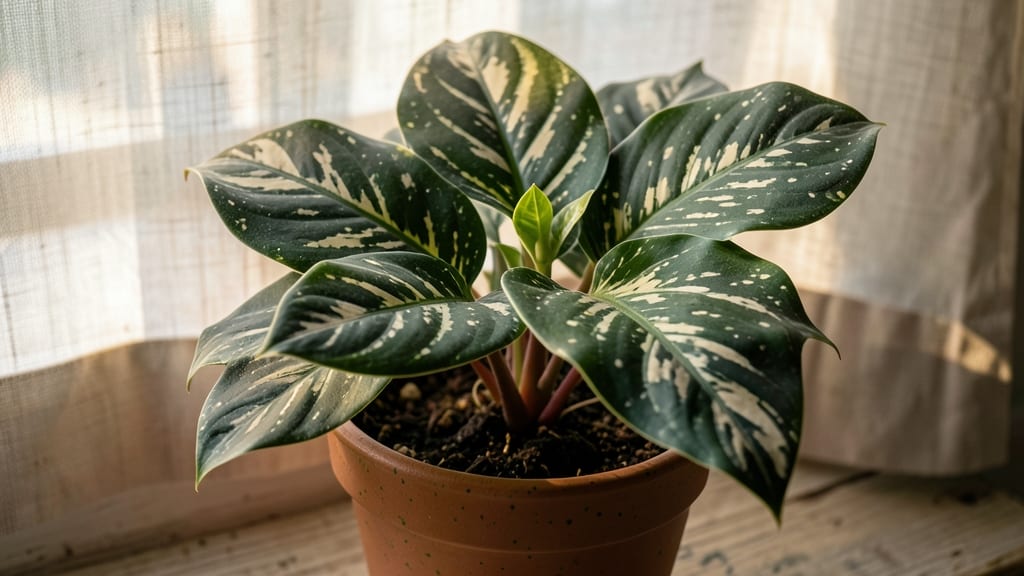
That white-spotted leaf isn't just a cosmetic issue—it's your plant's SOS signal. 🌿 Whether it's powdery mildew, spider mites, or environmental stress, those spots mean your green friend needs help now.
I've nursed back more plants than I can count with just three targeted fixes, and I'll show you exactly how to diagnose and treat it without harsh chemicals.
Most white spots start with powdery mildew (that chalky dust) or spider mites (tiny webs + speckles), but overwatering or poor airflow can trigger stress spots too.
The good news? All three have simple solutions—just adjust your watering, improve circulation, and apply the right organic spray. No guesswork, no mystery ingredients.
By the end of this, your plant will be back to vibrant green in as little as 7-14 days, depending on the cause. You'll spot the difference immediately: new growth, stronger stems, and leaves that stay spot-free.
The key is acting fast—those spots spread like gossip if you ignore them.
Works for houseplants, garden greens, or even your prized tomatoes. Let's get that foliage looking fresh again—no degree in botany required.
Root Causes of Leaf Spots
White spots on green leaves can be alarming, but they’re often a sign of stress or infection—each with a distinct cause. Understanding why these spots appear is the first step to saving your plant.
Below, we break down the most common culprits, from environmental factors to hidden pests, with clear explanations and actionable insights.
When roots sit in soggy soil for too long, they struggle to absorb oxygen, leading to root rot. This stress triggers white or yellowish spots on leaves, often accompanied by wilting or mushy stems.
- How it happens: Excess moisture creates the perfect breeding ground for fungal pathogens like Phytophthora or Pythium, which invade leaf tissue and cause necrotic (dead) spots.
- Key signs:
- Spots start white/gray and turn brown or black with a water-soaked edge.
- Leaves may yellow (chlorosis) or drop prematurely.
- Soil smells sour or moldy.
- 💡 Pro tip: Test drainage by pouring water into the pot—if it pools after 30 minutes, your plant needs better aeration. Use pots with drainage holes and a well-draining mix (e.g., perlite + coco coir).
Tiny pests like whiteflies, aphids, or mealybugs pierce leaves to feed on sap, leaving behind white, sticky residue (honeydew) and spots. Their saliva can also trigger sooty mold, a black fungal growth that masks white spots.
- How it happens: Pests inject toxins into leaves, causing cell damage that appears as white or translucent spots. Heavy infestations lead to curled, crinkled leaves.
- Key signs:
- Sticky residue on leaves (wipe with a damp cloth—if it’s sticky, pests are likely).
- Visible pests on undersides of leaves (use a magnifying glass).
- Ants trailing on the plant (they farm honeydew!).
- 🔥 Quick fix: Isolate the plant and blast leaves with water to dislodge pests. For stubborn infestations, use neem oil (1 tsp per quart of water) or insecticidal soap. Repeat every 5–7 days.
Fungi thrive in humid, stagnant conditions and can cause white spots through powdery mildew, downy mildew, or leaf spot diseases. These pathogens block sunlight absorption, turning leaves white or grayish.
- How it happens: Fungal spores land on leaves and germinate in moisture, forming hyphae (thread-like structures) that smother leaf tissue. Some fungi, like Erysiphe (powdery mildew), create a white, talcum-powder-like coating.
- Key signs:
Disease Spot Appearance Other Clues Powdery Mildew White, fuzzy patches (like dust) Worse on top leaves; spreads in low light Downy Mildew White/gray, fuzzy underside of leaves Yellow spots on top; thrives in wet conditions Leaf Spot (e.g., Alternaria) White/yellow centers with dark borders Spots often have concentric rings; leaves may drop - 🌡️ Prevention: Improve airflow with a small fan (set to low) or prune crowded foliage. Apply baking soda spray (1 tsp baking soda + 1 quart water + drop of soap) weekly to deter fungi.
Too much direct sunlight or over-fertilization can scorch leaves, creating white or bleached spots. Unlike pests or disease, these spots are often dry and crispy to the touch.
- How it happens:
- Sunburn: Intense UV rays break down chlorophyll, causing white or yellow patches (common in variegated plants).
- Nutrient burn: Excess salts from fertilizers or tap water disrupt cellular function, leading to white, dead tissue at leaf edges.
- Key signs:
- Spots are dry and papery, not mushy or sticky.
- New growth is stunted or distorted.
- Soil looks crusty (sign of salt buildup).
- ✨ Solution: Move the plant to indirect light or provide afternoon shade. Flush the soil with water to leach excess salts, then repot with fresh, organic potting mix.
Now that you’ve identified the likely cause, the next step is targeted treatment—but the key is acting fast! Most of these issues worsen if ignored, so grab your tools and let’s revive those leaves.
Revive Your Plant in 3 Simple Steps
Now that you’ve identified the cause of those pesky white spots on your green leafy companion, it’s time to roll up your sleeves and bring your plant back to its vibrant best! 🌿✨ Whether it’s fungal infections, pests, or environmental stressors, these actionable solutions will help you tackle the problem head-on—without losing your sanity (or your plant).
Before diving into treatments, containment is key to prevent the issue from spreading to other plants. Here’s how to handle it safely:
👨🍳 Quarantine the Affected Plant
- Move the plant to a separate space (like a spare room, balcony, or even a bathtub lined with newspaper) away from your healthy greens.
- Check all leaves, stems, and soil for signs of infestation or damage.
Use a hand lens if needed—some pests are tiny! - If the spots are powdery or fuzzy, assume fungal infection (like powdery mildew). If they’re sticky or crunchy, suspect pests (mealybugs, aphids, or spider mites).
🌡️ Assess the Damage
- Light damage? Prune only the worst-affected leaves.
- Severe damage? Trim back 20-30% of the plant to reduce stress and improve airflow.
- Root rot? Gently remove the plant from its pot and inspect the roots.
Healthy roots are firm and white; mushy or black roots need immediate action.
The fix depends on the culprit—so let’s match your diagnosis to the cure.
🍄 Fungal Issues (Powdery Mildew, Rust, or Leaf Spot)
Fungi thrive in humid, stagnant conditions, so your goal is to dry things out and boost airflow.
| Issue | Treatment | Prevention Tips |
|---|---|---|
| Powdery Mildew | Spray leaves with a 1:1 water-vinegar mix (1 part white vinegar to 1 part water). Repeat every 3-4 days until gone. For stubborn cases, use neem oil (1 tsp per quart of water + a drop of dish soap). | ✅ Space plants 3-6 inches apart for airflow. ✅ Water at the base (avoid overhead spraying). ✅ Wipe leaves monthly with a damp cloth. |
| Rust or Leaf Spot | Remove all infected leaves immediately. Apply copper fungicide (follow label instructions) or a baking soda spray (1 tsp baking soda + 1 quart water + a drop of soap). | ✅ Avoid overhead watering. ✅ Prune for airflow—thin out dense foliage. ✅ Sterilize pruners with rubbing alcohol between cuts. |
| Root Rot | Repot immediately in fresh, well-draining soil. Trim mushy roots with sterilized scissors. Let the plant sit in dry soil for 24 hours before watering lightly. | ✅ Use pots with drainage holes. ✅ Water only when the top inch of soil is dry. ✅ Avoid over-potting—roots need room to breathe. |
🐜 Pest Problems (Mealybugs, Aphids, Spider Mites)
Pests love weak, stressed plants, so a multi-pronged attack works best.
| Pest | Treatment | Prevention Tips |
|---|---|---|
| Mealybugs | Wipe leaves with a soapy water cloth (1 tsp mild soap per quart of water). For severe cases, spray with 70% rubbing alcohol (diluted 1:1 with water) or neem oil. | ✅ Inspect new plants before adding to your garden. ✅ Encourage ladybugs—they eat mealybugs! ✅ Avoid over-fertilizing (weak plants attract pests). |
| Aphids | Blast them off with a strong stream of water (early morning works best). Follow up with insecticidal soap or horticultural oil. | ✅ Introduce predatory wasps (if outdoors). ✅ Remove yellowing leaves (aphids love tender new growth). |
| Spider Mites | Spray with water to knock them off, then apply neem oil or diatomaceous earth (food-grade only). Repeat every 5-7 days. | ✅ Increase humidity (mites hate it)—mist plants or use a pebble tray. ✅ Wipe leaves regularly to remove webbing. |
🌡️ Environmental Stress (Sunburn, Chemical Burns, or Nutrient Deficiency)
Sometimes, the "spots" aren’t spots at all—just signs of poor growing conditions.
| Cause | Fix It Fast | Prevent Future Issues |
|---|---|---|
| Sunburn | Move the plant to partial shade immediately. Trim severely damaged leaves. | ✅ Acclimate gradually to full sun (harden off over 1-2 weeks). ✅ Use sheer curtains for indoor plants near windows. |
| Chemical Burn | Flush the soil with water to remove residue. Repot if needed with fresh soil. | ✅ Test soil pH before fertilizing. ✅ Follow label doses—more isn’t better! |
| Nutrient Deficiency | Feed with a balanced liquid fertilizer (like 10-10-10) diluted to half strength. For magnesium deficiency (yellow spots between veins), use Epsom salt (1 tbsp per gallon of water, spray on leaves). | ✅ Fertilize seasonally (spring/summer for most plants). ✅ Test soil every 2 years. |
Once you’ve treated the issue, keep your plant on the mend with these pro tips:
🌱 Boost Plant Immunity
- Neem oil tonic: Mix 1 tbsp neem oil + 1 tsp mild soap per quart of water.
Spray once a month to prevent future fungal/pest issues. - Compost tea: Brew a weak compost tea (1 part compost to 5 parts water, steep for 24 hours) and use as a foliar feed to strengthen leaves.
💡 Long-Term Care
- Rotate plants every few weeks so all sides get even sunlight.
- Clean your tools with rubbing alcohol after pruning to avoid spreading disease.
- Monitor humidity—most green leaf plants thrive at 40-60% humidity. Use a hygrometer if needed.
If your plant is over 50% damaged, root-bound with no recovery signs, or completely wilted despite treatment, it may be time to say goodbye. But don’t throw it away—propagate healthy cuttings to grow new plants!
Your plant’s comeback starts now—pick your battle plan and get treating! 🌱💚
Frequently asked questions
Why do white spots appear suddenly on my plant's leaves?
White spots often appear suddenly due to fungal infections like powdery mildew or pest infestations such as spider mites. These issues thrive in humid conditions or when plants are stressed from overwatering or poor airflow. Check for fuzzy white coatings (fungus) or tiny webs (mites) to identify the cause.
Can I save my plant if the white spots are already spreading?
Yes! Act fast by isolating the plant and treating it immediately. For fungal issues, use a vinegar-water spray (1:1 ratio) or neem oil. For pests, wipe leaves with soapy water or apply insecticidal soap. Prune affected leaves to prevent further spread. With consistent care, most plants recover within 2-4 weeks.
Are white spots always a sign of disease or pests?
Not always! White spots can also result from environmental stress, like sunburn (dry, crispy spots) or nutrient deficiencies (yellowish spots with green veins). Check the texture: sticky spots suggest pests, while powdery spots indicate fungus. If the spots feel dry and papery, it’s likely sun or chemical damage.
How often should I check my plants for white spots?
Inspect your plants weekly, especially the undersides of leaves where pests hide. Early detection is key! Use a magnifying glass for close-ups. If you notice spots, quarantine the plant immediately to prevent spreading. Healthy plants should have vibrant, spot-free leaves—any changes warrant a closer look.
Will my plant recover if I only treat the visible spots?
No—treat the entire plant, not just the spots. Fungal spores and pests spread quickly, so spray or wipe all leaves, including hidden areas. Focus on improving airflow and adjusting watering habits to prevent recurrence. Think of it like treating a cold: addressing symptoms alone won’t cure the root cause.