
Pests
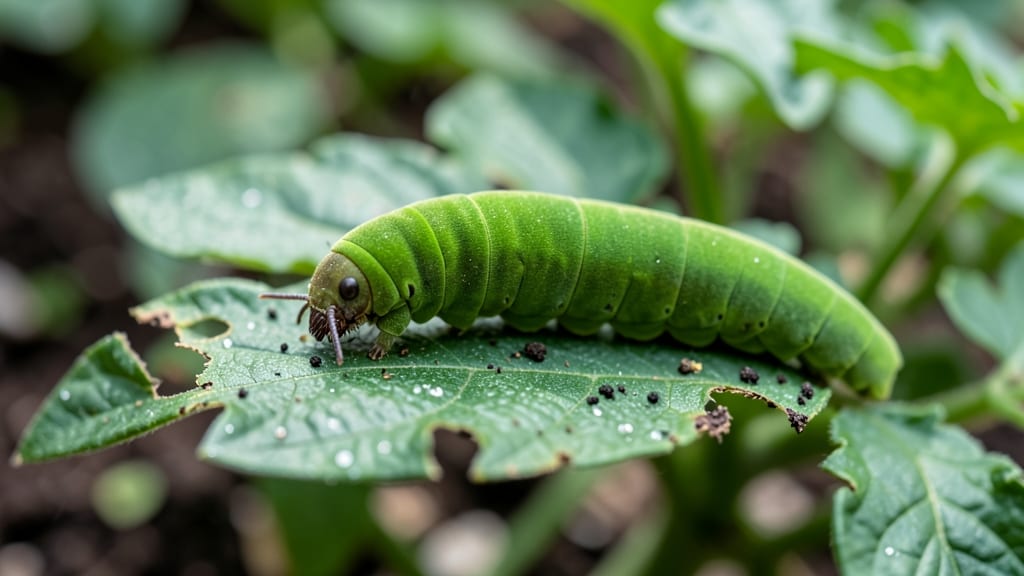
The green leaf worm can turn your thriving garden into a skeleton of leaves in days. 🌱 I’ve watched these tiny green pests strip entire brassica plants bare—until I learned the three-step defense that stops them before they start. They’re not picky eaters: cabbage, kale, lettuce, even tomatoes get attacked.
The key is acting fast—once they’re established, they multiply like crazy. My garden now uses a combination of row covers, neem oil sprays, and beneficial nematodes that keeps them under control without harsh chemicals. You’ll spot them as small green caterpillars with a yellow stripe, chewing along leaf edges.
A single plant can host dozens by midsummer, but with the right approach, you’ll save your harvest and avoid replanting. Works for home gardens, raised beds, and even container crops. Here’s how to identify, remove, and prevent these destructive pests for good.
Why it happens
Those tiny, voracious green leaf worms (often Trichoplusia ni or cabbage loopers) don’t just appear out of nowhere—they’re drawn to your garden by a mix of environmental cues, plant chemistry, and even your gardening habits.
Understanding these triggers is the first step to outsmarting them. Let’s break down the real reasons these pests target your greens.
🌱 1. Host Plants Are a Buffet
Green leaf worms are polyphagous, meaning they’ll dine on nearly any tender, leafy plant—especially those in the Brassicaceae (cruciferous) family. Why? These plants contain high levels of nitrogen and sugars, which make them irresistible to caterpillars. Common culprits include:
- Cabbage (the worm’s namesake host)
- Broccoli and cauliflower (their thick leaves are a favorite)
- Kale and spinach (nutrient-dense and soft)
- Beans, peppers, and tomatoes (especially young, tender growth)
- Herbs like basil and dill (their aromatic oils can actually attract moths)
Actionable fix: If you’re growing these plants, rotate crops annually to disrupt the worms’ life cycle. Interplant with non-hosts like onions or garlic, which repel moths naturally.
🌙 2. Moths Are Master Nighttime Scouts
Green leaf worms start as eggs laid by white moths with dark spots (the adult stage of Trichoplusia ni). These moths are nocturnal and use moonlight, CO₂ from plants, and even heat signatures to locate your garden. Here’s what lures them in:
- Bright moonlight: Gardens bathed in moonlight (especially full moons) are easier for moths to spot from a distance.
- Warm nights: Moths are more active when temperatures hover between 60–80°F (15–27°C)—ideal for egg-laying.
- Freshly planted or stressed plants: Newly transplanted seedlings release volatile organic compounds (VOCs) that signal “easy prey” to moths.
Actionable fix:
- Use row covers or light traps (like a UV bulb) to deter moths at night.
- Avoid planting near outdoor lights—moths are drawn to them like a dinner bell.
- Water plants in the morning so they’re less stressed by evening.
🌡️ 3. Warm, Humid Conditions Speed Up Their Life Cycle
Green leaf worms thrive in warm, humid climates, where they can go from egg → larva → pupa → adult in just 3–4 weeks. Here’s how climate plays a role:
| Factor | Why It Matters | Worm Activity Level |
|---|---|---|
| Temperature | Worms need 65–85°F (18–29°C) to hatch and grow rapidly. | ⚡ High (explosive population growth) |
| Humidity | High moisture keeps eggs from drying out and helps caterpillars retain water. | 🌧️ Moderate-High (worse in tropical or rainy seasons) |
| Rainfall | Light rain can wash away eggs, but heavy rain creates standing water, which moths avoid—but their larvae love damp soil. | 💧 Variable (depends on timing) |
Actionable fix:
- In hot climates, use shade cloth (30–50% coverage) to reduce heat stress on plants and deter moths.
- Improve air circulation around plants to lower humidity near the soil (where eggs are laid).
- Monitor weather forecasts—if a heatwave is coming, inspect plants daily for early signs.
🌿 4. Over-Fertilizing Makes Plants a Target
Too much nitrogen-rich fertilizer (like blood meal or synthetic blends) makes plants soft, fast-growing, and extra tasty to caterpillars. Why?
- Nitrogen = Protein: Worms need protein to grow, and lush, nitrogen-fed plants provide it.
- Weak Structural Defense: Fast growth can dilute natural defenses like tannins or bitter compounds.
- Attracts More Moths: Fertilizer-runoff can alter plant scents, making them more detectable to moths.
Actionable fix:
- Switch to a balanced fertilizer (e.g., 10-10-10 or organic compost) to avoid nitrogen overload.
- Use slow-release fertilizers (like worm castings or fish emulsion) to prevent spikes in plant appeal.
- Let plants stress slightly (e.g., minor water restriction) to toughen their leaves—worms prefer plump, tender foliage.
🔄 5. Previous Infestations Create a Feedback Loop
Once green leaf worms find your garden, they leave pheromones (chemical signals) that attract more moths to the same spot. This turns your yard into a magnet for future generations. Other reasons infestations persist:
- Pupae in the soil: Worms burrow into garden beds to pupate, and if left undisturbed, they’ll re-emerge as adults in weeks.
- Windborne eggs: Moths can carry eggs miles away on breezes, but established gardens become high-risk zones.
- Neighboring gardens: If your neighbors have infestations, their moths will colonize your plants too.
Actionable fix:
- Till or hand-pull garden beds in late summer/early fall to disrupt pupae (wear gloves—some can sting!).
- Plant trap crops (like mustard greens) far from your main garden to lure moths away.
Quick Fixes for Leaf Munchers
When those tiny green leaf chewers start turning your garden into a skeleton, act fast! Below are practical, step-by-step solutions tailored to the root causes—from immediate removal to long-term prevention. No fancy tools or chemicals required (unless you want them).
Problem: You’ve noticed ragged leaves, silken webbing, or tiny green worms munching away. Fix: Manual removal is your first line of defense—effective, chemical-free, and satisfying!
- 👨🍳 Handpick the Pests
- Wear gloves (trust us, they’re slimy) and pluck worms off leaves with your fingers or tweezers.
- Drop them into soapy water (1 tbsp dish soap per gallon) to kill them instantly.
- Pro Tip: Do this early in the morning when worms are sluggish and easy to spot.
- 🧹 Shake Them Out
- For heavily infested plants, gently shake the foliage over a bucket of soapy water.
- Focus on undersides of leaves—that’s where they hide!
- 🌿 Prune Damaged Leaves
- Cut off heavily chewed leaves and dispose of them in a sealed trash bag (not compost).
- Why? Prevents eggs from hatching and spreading.
Problem: You’ve removed the current batch, but you don’t want a repeat performance. Fix: Create an unwelcoming environment with low-cost, eco-friendly tricks.
| Method | How to Do It | Best For |
|---|---|---|
| 🌿 Neem Oil Spray | Mix 1 tbsp neem oil + 1 tsp mild soap + 1 quart water. Spray evenly on leaves (avoid direct sun). Repeat every 5–7 days. | All plants (safe for edibles!) |
| 🐛 Beneficial Nematodes | Apply microscopic worms (like Steinernema carpocapsae) to soil. They hunt leaf-eating larvae. | Gardens, potted plants, lawns |
| 🕷️ Ladybugs & Lacewings | Buy live beneficial insects online or at garden centers. Release them at dusk when pests are active. | Small-scale infestations |
| 🪴 Row Covers | Use floating fabric covers over young plants to block adult moths from laying eggs. | Seedlings, vulnerable crops |
💡 Pro Tip: Rotate methods—pests adapt! Mix handpicking with neem oil for best results.
Problem: You’re tired of playing whack-a-mole with these leaf munchers. Fix: Break their life cycle with smart garden habits.
- 🌱 Plant Smart
- Avoid their favorites: Basil, beans, and brassicas (like cabbage) are top targets. If you must grow them, plant near strong-scented herbs (mint, rosemary, or thyme) to repel moths.
- Interplant with traps: Grow nasturtiums or marigolds—they attract pests away from your veggies.
- 🌙 Disrupt Their Schedule
- Install yellow sticky traps near plants to catch adult moths before they lay eggs.
- Use a fan (yes, really!) on a low setting near plants—moths hate wind and won’t land to lay eggs.
- 🌱 Keep Your Garden Tidy
- Remove garden debris (old leaves, mulch piles) where eggs and pupae hide.
- Rotate crops yearly to starve pests of their preferred hosts.
- 🌱 Soil Health = Pest Resistance
- Healthy plants = tougher leaves. Boost soil with compost and mycorrhizal fungi to help plants fend off attacks.
If your garden is overrun (we’re talking total leaf destruction despite your best efforts), it’s time for targeted chemical control—but use it sparingly.
- 💊 Bacillus thuringiensis (Bt): A pesticide made from bacteria that’s safe for humans and pets but deadly to caterpillars. Spritz on leaves as needed.
- 🧴 Pyrethrin Sprays: Derived from chrysanthemums, these knock out adults on contact. Use late in the day to avoid harming bees.
⚠️ Warning: Only use chemicals as a last resort. Overuse can harm beneficial insects and create resistant pests.
Final Thought: With consistent monitoring and a mix of these methods, you’ll outsmart those green leaf munchers before they ruin your harvest. Stay vigilant, gardeners—your plants are counting on you! 🌿💪
Frequently asked questions
What do green leaf worms look like as adults?
Adult green leaf worms are actually small, white moths with dark spots on their wings. They’re about 1 inch wide and fly at night, making them hard to spot until they’ve already laid eggs on your plants. These moths are the reason you’ll see tiny green caterpillars appearing suddenly—each female can lay up to 1,000 eggs in her lifetime!
Can green leaf worms harm my tomato plants?
While they’re most famous for attacking brassicas like cabbage, green leaf worms will happily munch on tomato leaves, especially young, tender growth. They can strip plants bare, reducing yield and leaving them vulnerable to sunburn. Look for ragged edges or silken webbing between leaves—classic signs they’ve moved in.
How long does it take for green leaf worm eggs to hatch?
Green leaf worm eggs typically hatch in 3–7 days under ideal conditions (70–80°F). The warmer and more humid your climate, the faster they’ll appear. That’s why early detection is critical—once those caterpillars emerge, they can devour an entire plant’s leaves in just 2–3 days if left unchecked.
Will birds or other predators eat green leaf worms?
Yes! Many birds (like sparrows and chickadees) and beneficial insects (such as parasitic wasps) will prey on green leaf worms. However, they often aren’t enough to control severe infestations alone. To encourage natural predators, avoid pesticides and provide habitats like birdhouses or insect hotels in your garden.
Can I use garlic spray to repel green leaf worms?
Garlic spray can help deter adult moths from laying eggs, but it’s less effective against the caterpillars themselves. For best results, blend 1 chopped garlic bulb + 1 quart water + 1 tsp mild soap, strain, and spray on leaves weekly. Combine it with other methods like neem oil or row covers for maximum protection.