
Vegetables
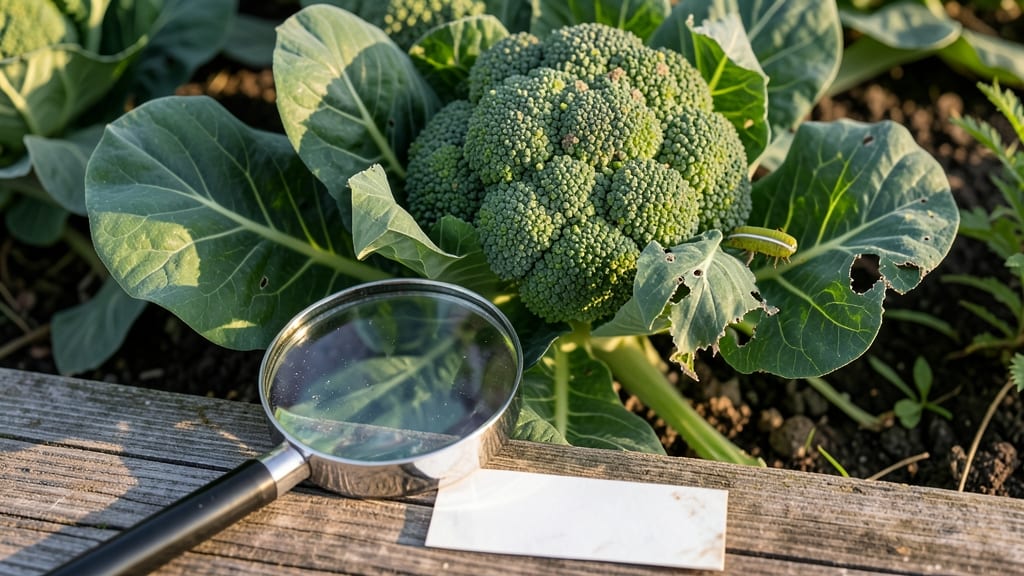
Green leaf eaters are turning your thriving greens into skeleton leaves faster than you can say "salad season." 🌿 I've lost count of the times I've found my kale, cabbage, and lettuce looking like someone went through them with a Swiss cheese cutter—only to discover the culprits: caterpillars, beetles, or slugs feasting like they're at an all-you-can-eat buffet.
The worst part? These pests don't just nibble—they devour entire leaves overnight, leaving behind a trail of destruction that feels impossible to outpace. But here's the good news: you don't need harsh chemicals to win back your garden.
With the right natural remedies and a few preventive tricks, you can turn the tide in minutes, not days.
By the end of this, you'll know exactly how to identify the culprits, what plants they love most, and the foolproof methods to keep them off your greens for good. No more wilting disappointment—just lush, leafy plants that stay intact until harvest time.
Whether you're dealing with caterpillar chaos in your cabbage or slug slime trails on your lettuce, these solutions work for any garden size or type. Let's get those leaves back to their full, healthy glory.
Root Causes of Leaf Discoloration
Wilted, yellowing, or browned greens aren’t just an eyesore—they’re a cry for help from your plants. Understanding why this happens is the first step to reviving them. Below, we break down the most common culprits, backed by science, so you can diagnose and fix the issue fast.
Too much love (in the form of water) can drown your greens. When soil stays soggy, roots suffocate, starved of oxygen. This triggers anaerobic conditions, where harmful bacteria and fungi thrive, causing leaves to turn yellow or mushy.
- Signs: Wilting despite wet soil, blackened stems, or a foul odor.
- Why it happens:
- Compacted soil blocks water flow, trapping excess moisture.
- Containers without drainage holes act like sponges, never drying out.
- Overzealous watering (especially in cool weather) slows evaporation.
- Actionable fix:
- Check soil moisture with your finger—water only when the top 1–2 inches are dry.
- Use well-draining soil mixes (add perlite or vermiculite).
- Repot in containers with drainage holes if needed.
Greens crave balance—too much sun scalds them, while too little weakens their structure. Both extremes stress plants, leading to crispy edges, bleached patches, or limp leaves.
- Signs: White/yellow patches (sunburn), stunted growth, or leaves curling away from light.
- Why it happens:
- Direct afternoon sun (12 PM–4 PM) overheats leaves, causing oxidative stress.
- Sudden light changes (e.g., moving plants indoors/outdoors) confuse their photosynthesis rhythm.
- Variegated leaves (like Swiss chard) are extra sensitive to UV damage.
- Actionable fix:
- Gradually acclimate plants to sunlight (hardening off): Start with 2–3 hours/day, increasing by 1 hour weekly.
- Use shade cloth (30–50%) for delicate greens in peak sun.
- Rotate pots weekly to ensure even light exposure.
Tiny invaders—like aphids, slugs, or fungal spores—can turn vibrant greens into a sad, chewed-up mess. Pests suck sap, while diseases clog plant tissues, disrupting nutrient flow.
| Pest/Disease | Symptoms | Why It Happens |
|---|---|---|
| Aphids | Sticky residue (honeydew), curled leaves, black sooty mold. | These sap-suckers inject toxins, stunting growth and attracting mold. |
| Downy Mildew | Yellow spots on top, fuzzy gray growth on undersides. | A water-loving fungus spreads in humid conditions (70%+ moisture). |
| Slugs/Snails | Irregular holes, slime trails, missing leaf edges. | Nocturnal munchers thrive in damp, shaded areas. |
Actionable fix:
- 💡 Prevent: Space plants for airflow, water at soil level (not leaves), and use row covers.
- 🔥 Treat:
- Pests: Spray with neem oil or insecticidal soap (repeat every 5–7 days).
- Fungus: Apply copper fungicide or baking soda spray (1 tsp baking soda + 1 quart water + drop of soap).
Greens are tropical at heart—they wilt when temperatures swing too hot or cold, or when humidity drops. Extreme conditions disrupt cellular processes, causing leaves to droop or crisp.
- Signs: Sudden wilting, brown leaf tips, or leaves rolling inward.
- Why it happens:
- Heat stress: Temperatures above 85°F (29°C) cause protein denaturation, scrambling leaf structure.
- Cold shock: Below 50°F (10°C) slows metabolism, leading to chilling injury (e.g., blackened spots on spinach).
- Low humidity: Air drier than 40% pulls moisture from leaves faster than roots can replace it.
- Actionable fix:
- Move pots to shaded areas during heatwaves or cover with frost cloth at night.
- Use a humidifier nearby or place trays of water under pots to boost moisture.
- Mulch soil with straw to regulate temperature swings.
Yellowing between leaf veins? Brown edges? Your greens might be screaming for help—specifically, nitrogen, magnesium, or potassium. These macronutrients fuel chlorophyll production, cell repair, and water transport.
| Deficiency | Leaf Symptoms | Why It Happens |
|---|---|---|
| Nitrogen (N) | Overall yellowing (chlorosis), stunted growth. | Nitrogen builds chlorophyll; without it, leaves can’t photosynthesize. |
| Magnesium (Mg) | Yellow patches between veins (starts in older leaves). | Magnesium is the center of chlorophyll—its absence halts energy production. |
| Potassium (K) | Brown, crispy leaf edges; weak stems. | Potassium regulates water and nutrient flow—deficiency causes cellular dehydration. |
Actionable fix:
- 💡 Test soil: Use a DIY kit or send a sample to a lab to identify gaps.
- 🌱 Feed smart:
- For N: Apply compost tea or a balanced fertilizer (10-10-10).
- For Mg: Sprinkle Epsom salt (1 tbsp/gal water) every 2 weeks.
- For K: Use banana peel tea or a potassium-rich fertilizer (like greensand).
Quick Fixes for Reviving Wilted Greens
Got droopy, sad-looking greens that look past their prime? Don’t toss them just yet! With a few simple tricks, you can breathe new life into your leafy veggies—whether it’s spinach, kale, or lettuce—so they stay crisp and fresh for days.
Below, we’ll break down the most common causes of wilting and the easy, actionable solutions to fix them, plus tips to keep your greens perky longer.
Cause: Greens left soaking in water for too long or stored improperly after washing can become waterlogged, leading to a mushy, wilted texture.
How to Revive: 🔹 Drain & Dry Thoroughly
- After washing, spin greens in a salad spinner (or use a clean towel) to remove excess moisture. Residual water traps bacteria and speeds up spoilage.
- Pat dry with a paper towel if they’re extra wet—this prevents sogginess.
🔹 Air-Dry Before Storage
- Lay greens on a clean kitchen towel or a wire rack for 10–15 minutes to evaporate moisture. This step is critical for leafy greens like arugula or baby spinach.
🔹 Store Upright, Not Flat
- Use a glass or airtight container with a paper towel at the bottom to absorb any lingering dampness. Store greens stem-side down to prevent further wilting.
💡 Pro Tip: If your greens are already limp from overhydration, place them in a bowl of ice water for 10 minutes—the cold shock can temporarily crisp them up!
Cause: Exposure to heat (like sitting on the counter) or freezing temps (e.g., leaving them in a crisper drawer that’s too cold) speeds up decay.
How to Revive: 🥶 Cold Shock Treatment
- Fill a large bowl with ice water and submerge the wilted greens for 5–10 minutes. The cold water will plump up the cells, making them look fresher.
- Drain well afterward and pat dry.
🌡️ Optimal Storage Temp
- Refrigerate at 35–40°F (2–4°C)—the crispest zone for greens. Avoid the vegetable drawer if it’s too humid (some fridges have adjustable humidity settings).
- Never wash greens before storing—moisture + cold = faster spoilage. Wash only before eating.
✨ Bonus Hack: Wrap greens in a damp paper towel inside a plastic bag (with holes for airflow) to slow wilting. Replace the towel every 2–3 days.
Cause: Leaving greens in direct sunlight or near the oven/stove causes them to wilt faster due to heat and oxidation (when cut edges turn brown).
How to Revive: 🌿 Trim & Refresh
- Cut off any brown or slimy stems and rinse briefly under cold water.
- Soak in a bowl of cold water with a splash of lemon juice or vinegar (1 tbsp per quart) for 5 minutes to slow oxidation.
🌑 Store in Low Light
- Keep greens in the crisper drawer (if it’s dry) or in a sealed container away from fruit (ethylene gas from apples/bananas speeds up wilting).
- Avoid plastic bags without ventilation—they trap moisture and heat.
💡 Pro Tip: If your greens are partially wilted but still firm, try re-crisping them by placing them in a single layer on a plate, covering with a damp cloth, and refrigerating for 30 minutes.
Cause: Even with perfect storage, greens eventually lose their crunch as they age.
How to Revive (Last Resort): 🍳 Cook Them Up!
- Sauté or blanch wilted greens in olive oil, garlic, and a pinch of salt for 2–3 minutes. Heat softens them into a nutrient-packed side dish (great for spinach, kale, or Swiss chard).
- Blend into smoothies—wilting doesn’t affect flavor! Add a splash of coconut water or aloe vera juice for extra hydration.
🥗 Use in Cooked Dishes
- Toss greens into stir-fries, soups, or omelets where texture isn’t critical. They’ll still add vitamins and flavor!
💡 Prevention Tip: Buy greens in smaller batches or freeze them in ice cube trays with water (thaw and use in cooking later).
To keep your greens crisp and fresh for weeks, follow these no-fail storage rules: ✅ Wash only before eating—never store wet greens. ✅ Use breathable containers (glass > plastic bags). ✅ Keep stems dry—moisture is the enemy! ✅ Store separately from ethylene-producing fruits (apples, pears, avocados). ✅ Freeze extras in 1-cup portions for future soups or smoothies.
Final Thought: Most "wilted" greens aren’t ruined—they just need a little TLC! With these fixes, you’ll extend their shelf life by days and save money (and food waste) in the process. 🚀🌱
Frequently asked questions
What are the most common green leaf eaters in my garden?
The top culprits are caterpillars (like tomato hornworms), slugs/snails, beetles (such as flea beetles), and aphids. Each leaves distinct damage: caterpillars create large, irregular holes, while slugs leave shiny trails and ragged edges.
How do I tell if my greens are being eaten by pests vs. suffering from disease?
Pest damage is physical—look for chewed leaves, holes, or slime trails. Disease symptoms include yellowing between veins (magnesium deficiency), powdery white growth (fungus), or brown spots (bacterial issues). Check undersides of leaves for hidden pests or fungal spores.
Are there natural ways to protect my greens without chemicals?
Try neem oil spray (1 tsp oil + 1 tsp mild soap per quart of water), diatomaceous earth (food-grade powder for slugs), or row covers to block pests. Plant marigolds or basil nearby—they repel many insects naturally.
What plants are most vulnerable to green leaf eaters?
Leafy greens like lettuce, spinach, kale, and cabbage are top targets, but pests also love herbs (basil, parsley) and young seedlings. Variegated plants or those with soft leaves (like Swiss chard) are extra tempting. Rotate crops yearly to disrupt pest cycles.
How do I keep slugs and snails from destroying my garden at night?
Set up beer traps (bury a shallow dish filled with beer), use copper tape around pots (slugs hate the electric shock), or handpick them at dusk when they're most active. Coffee grounds scattered around plants also deter them.