
Companion Plants
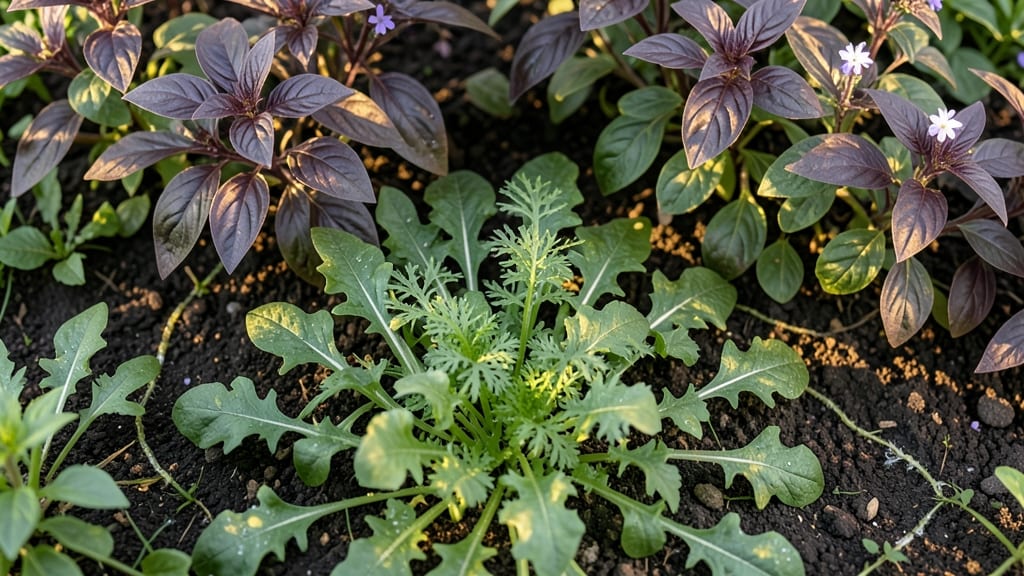
Struggling with pests, poor growth, or nutrient deficiencies in your leafy greens? These seven companion plants work synergistically to improve flavor, yield, and natural pest control—without chemicals. Discover the science-backed pairings every gardener should try.
Marigolds Repel Nematodes Near Lettuce

If your lettuce leaves are looking ragged or stunted, marigolds might be your secret weapon. These bright, cheerful flowers don’t just add color—they release natural nematicides that disrupt the life cycle of root-knot nematodes, microscopic pests that drain nutrients from leafy greens.
Plant French marigolds (the most effective variety) around the edges of your lettuce bed or in containers nearby. Their strong scent masks the lettuce’s natural fragrance, confusing pests while their roots exude compounds toxic to nematodes. Bonus: marigolds attract pollinators like bees and hoverflies, boosting your garden’s biodiversity.
Urban gardeners and small-space growers will love this pairing—marigolds thrive in containers and even deter pests in raised beds. Try planting them 2–3 weeks before lettuce for maximum protection during the most vulnerable early growth stages. 🌻
Chives Deter Aphids From Kale

If aphids are turning your kale leaves into skeletonized messes, chives might be your new best friend. These easy-to-grow herbs release natural sulfur compounds that repel aphids while also slowing down kale's tendency to bolt prematurely—meaning more harvests and fewer pests.
Plant chives in a 1:4 ratio (one chive plant per four kale plants) and intermingle them in rows or containers. Their shallow roots won’t compete with kale, and their edible flowers add a mild onion flavor to salads. Harvest chives regularly to encourage dense growth, and watch aphid populations drop within weeks.
This pairing is especially valuable for small-space gardeners** or those using square-foot gardening, as chives thrive in tight quarters while delivering double-duty pest control. 🌱
Bush Beans Fix Nitrogen For Spinach

Want to grow lush spinach without constantly amending the soil? Bush beans are the secret weapon for cool-season gardens, turning nutrient-poor beds into spinach powerhouses—naturally.
These compact beans fix nitrogen in the soil through root nodules, cutting your fertilizer needs by up to 50% while providing dappled shade that slows spinach bolting (the premature flowering that ruins tender leaves). Plant beans every 2-3 weeks from early spring to early summer for continuous harvests, and let them mature before harvesting spinach to maximize nitrogen benefits.
This dynamic duo is especially valuable for gardeners in USDA zones 3-7, where cool springs and summers make spinach thrive. The beans' bushy growth also suppresses weeds, giving your spinach a cleaner, healthier environment. 🌱
Nasturtiums Trap Cabbage Worms Away

Tired of watching cabbage worms devour your Swiss chard and other brassicas before you can harvest? Nasturtiums are your secret weapon—these cheerful annuals act as a natural trap crop, drawing pests away from your prized leafy greens while adding a peppery punch to salads.
Plant nasturtiums around the edges of your brassica beds, where their vibrant orange and yellow flowers attract cabbage worms and their larvae. The pests prefer nasturtiums to your chard, giving your plants a fighting chance. Bonus: Their edible flowers and leaves (taste like a cross between watercress and pepper) mean you get a dual-purpose plant that’s as useful in the kitchen as it is in the garden.
This strategy works best for gardeners growing kale, collards, or broccoli alongside nasturtiums, especially in early spring or late summer when cabbage worms are most active. 🌻
Dill Attracts Beneficial Wasps

Tired of battling caterpillars munching through your arugula or collard greens? Dill might be your secret weapon—its delicate umbel flowers act like a wasp magnet, drawing in tiny predators that hunt leaf-eating pests naturally.
Simply plant dill alongside your leafy greens in full sun (6+ hours daily) and watch as parasitic wasps move in to keep caterpillar populations in check. The wasps target pests like cabbage loopers and hornworms without harming your plants or the environment. For best results, let the dill flower freely—skipping harvests temporarily boosts its pest-control benefits.
This is especially valuable for organic gardeners or those with young families who prefer chemical-free solutions. A few dill plants can transform your garden into a thriving ecosystem. 🌟
Radishes Break Soil Compaction

Tired of struggling with compacted soil that stunts your leafy greens like chard or kale? Radishes are the unsung heroes of soil prep—growing fast enough to break up tough earth in just 3-4 weeks while adding a bonus pest-deterrent.
Plant radishes like 'Cherry Belle' or 'French Breakfast' alongside your leafy greens to create natural aeration through their deep taproots. Their presence also confuses carrot flies, which are equally attracted to both radishes and chard. Harvest the radishes early (when golf-ball sized) to avoid competing with deeper roots.
This is especially helpful for new gardeners or those with heavy clay soil—no tilling required! Just sow radishes first, then transplant your leafy greens into the loosened earth. 🌱
Clover Improves Soil For Arugula

Want arugula that thrives with minimal weeding and fewer nutrient deficiencies? White clover is your secret weapon—a living mulch that works while you sleep. Its deep roots add nitrogen to the soil, reducing the need for synthetic fertilizers, while its dense growth smothers weeds before they sprout.
Plant white clover between rows of arugula or mustard greens to create a low-maintenance ground cover that stays green year-round in mild climates. The clover’s shallow roots also prevent soil erosion, keeping your beds intact during heavy rains. For best results, mow or trim it back occasionally to maintain a tidy appearance without sacrificing its benefits.
This dynamic duo is perfect for urban gardeners with limited space or anyone tired of battling weeds and poor soil. Your arugula will grow faster and tastier with this natural soil booster. 🌿