
Light Requirements
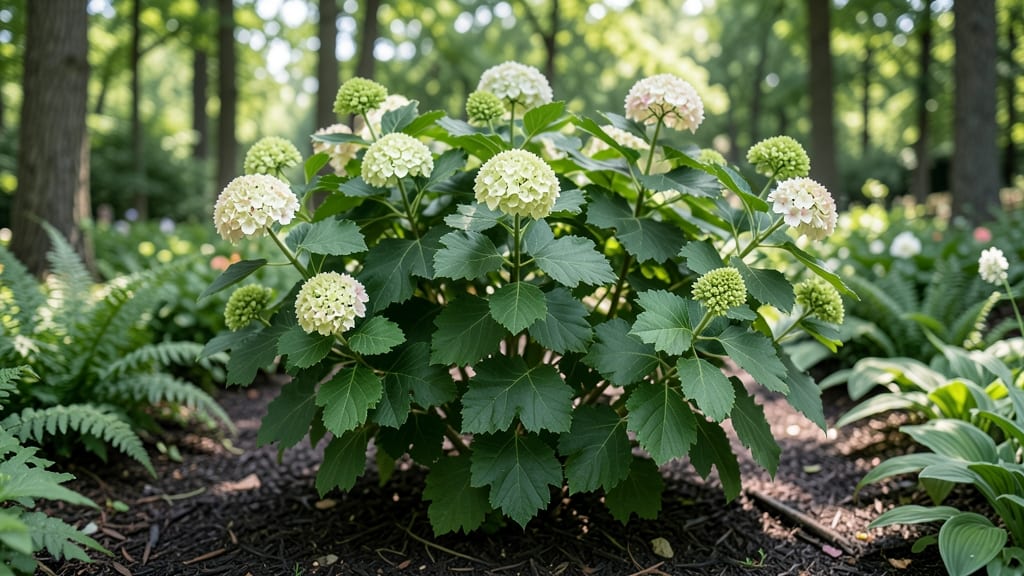
Growing an oak leaf hydrangea in full shade 🌿 is totally doable—and with the right pruning tricks, you can actually boost its deep green foliage and bigger blooms.
Here’s the thing: most gardeners assume full shade means smaller flowers and sparse growth, but that’s only true if you’re not pruning strategically. The key is understanding how shade affects its natural shape and using cuts to redirect energy where it counts.
In this guide, I’ll walk you through the exact pruning techniques to encourage denser growth, revive leggy stems, and even coax out larger blooms—all while keeping your hydrangea thriving in low-light spots.
You’ll also learn how to avoid common mistakes that can kill your plant in shade, like over-pruning or ignoring root health, so you can enjoy a lush, vibrant shrub year after year.
 Best Window Placement
Why oak leaf hydrangeas struggle in full shade (and how pruning fixes it)
Your oak leaf hydrangea (Hydrangea quercifolia) may look stunning with its lobed leaves, but full shade can stunt its growth and reduce bloom size. The issue starts with photosynthesis limitations—when light is scarce, the plant struggles to produce enough energy for vibrant foliage and large flowers.
Without intervention, you’ll notice leggy stems, sparse blooms, and duller leaf colors over time.
Full shade forces hydrangeas to prioritize survival over showiness. They’ll put energy into root development and basic leaf production, leaving little for flower buds. The good news? Strategic pruning techniques can redirect energy flow, encouraging denser growth and bigger blooms—even in low-light conditions.
Think of it as giving your plant a growth reset to reclaim its potential.
Here’s the key: pruning isn’t just about cutting back overgrowth. It’s about targeted shaping to maximize light exposure where it matters most. By removing competing branches and thinning dense areas, you create an open canopy that lets indirect light penetrate deeper.
This simple adjustment can transform your hydrangea from a struggling shrub to a showstopper in your shade garden.
Comparison Table: Oak Leaf Hydrangea Growth in Full Shade vs. Pruned Conditions
The difference comes down to light redirection. When you prune, you’re not just cutting back—you’re reshaping the plant’s energy focus. Start by removing dead or crossing branches first, as these compete for nutrients.
Next, thin out the innermost growth to let light reach lower leaves. This encourages new shoots to grow toward the light, creating a fuller, healthier shrub.
Timing matters too. Late winter or early spring is ideal for structural pruning, while summer deadheading keeps the plant focused on blooms. Avoid heavy pruning in fall, as this can stress the plant before winter dormancy.
Instead, do a light cleanup to remove any diseased foliage that could harbor pests over winter.
Don’t forget the 45-degree angle cut—this promotes faster healing and reduces the risk of water pooling at the cut site, which can lead to rot. Use sterilized pruners to prevent spreading disease, especially in damp shade conditions.
A quick wipe with rubbing alcohol between cuts keeps your tools clean and your hydrangea healthy.
One of my biggest pruning secrets? Focus on the outer third of the plant. This opens up the center, allowing more indirect light to filter through.
Over time, you’ll see darker, thicker leaves and larger flower clusters—even in full shade. It’s like giving your hydrangea a sunbath without moving it an inch!
If your hydrangea still looks lackluster after pruning, check the soil moisture and nutrient levels. Full shade means the soil stays damp longer, which can lead to root rot if drainage is poor.
Amend the soil with organic matter like compost to improve aeration, and consider a slow-release fertilizer in early spring to support new growth.
Remember, oak leaf hydrangeas are resilient plants. With the right pruning approach, they’ll reward you with lush foliage and stunning blooms year after year—no matter how shady your garden spot.
Start small, observe how your plant responds, and adjust your technique as needed. Before you know it, your hydrangea will be the star of your shade garden!
Step-by-step pruning guide for darker foliage & bigger blooms
Your oak leaf hydrangea thrives in full shade, but its lush deep green foliage and showy blooms need strategic pruning to reach their full potential. Pruning isn't just about shaping—it's about encouraging denser growth and redirecting energy toward larger, more vibrant flowers.
In full shade, timing and technique make all the difference.
Start by identifying overgrown branches from healthy stems—this is your first clue for where to focus. Look for leggy, sparse growth (a common shade issue) versus sturdy stems with rich, dark leaves.
Pruning at the right time and with the correct cuts will transform your hydrangea's structure and color intensity, even in low-light conditions.
For darker foliage, always cut at a 45-degree angle just above a bud or leaf node. This redirects growth energy downward, where shade is less intense. Never top-prune—this creates weak, sparse growth in low-light conditions. Instead, focus on selective thinning to let light penetrate the center.
After pruning, apply a balanced fertilizer (10-10-10) to support new growth. Water deeply at the base to avoid wetting leaves—this reduces fungal risks in damp shade. Monitor your hydrangea over the next few weeks for new, vibrant shoots, a sign your pruning is working.
Remember, oak leaf hydrangeas in full shade grow slower, so patience is key. With consistent pruning, you’ll see deeper green leaves and larger blooms by next season—proving that even in shade, your hydrangea can shine.