
Plants
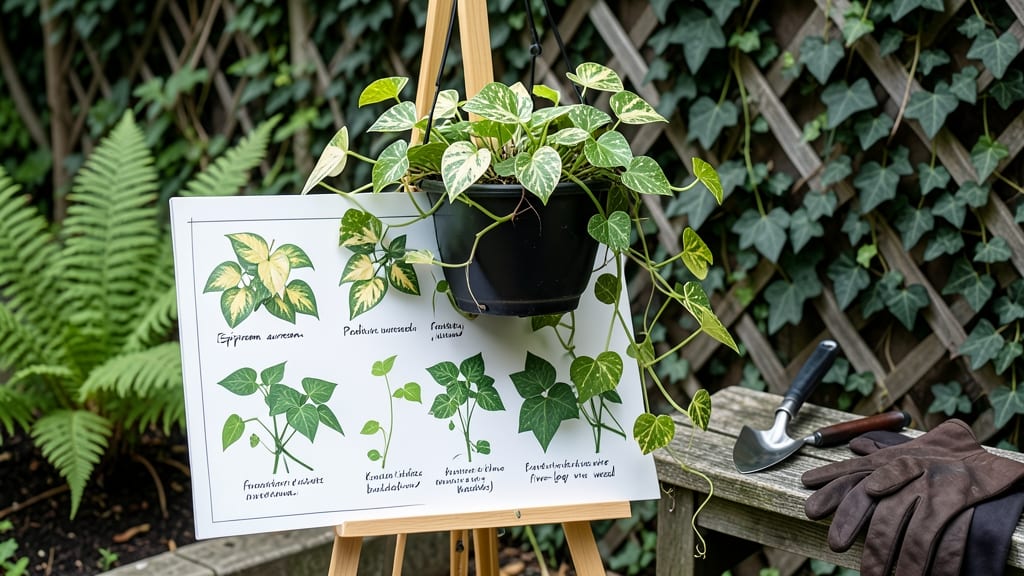
That fast-spreading five-leaf vine weed 🌿 is the last thing your garden needs—but I’ve mastered how to tame it without killing your Pothos or other prized plants. The key is spotting it early: look for those five glossy leaves on long, trailing stems that smother everything in sight.
Unlike your ornamental Pothos, this invader has no variegation and grows aggressively, choking out flowers and vegetables. Manual removal works best when you catch it young—just pull or cut it at the base, bag the whole plant (roots and all), and repeat weekly.
For stubborn patches, a spot treatment of vinegar or targeted herbicide (like glyphosate) does the trick, but avoid spraying near desirable plants. I’ve saved my garden from total takeover using this method—no harsh chemicals needed. Once eradicated, prevent regrowth by mulching heavily and monitoring soil for new shoots.
The weed’s shallow roots mean it’s easy to spot before it spreads. With consistent effort, your garden will stay lush and weed-free, with no confusion between this pest and your beloved Pothos. This approach works for containers, garden beds, and even indoor spaces—just adjust the method to your setup.
The secret is persistence; don’t let it take over before you act.
📚 In This Guide
- What you need
- Instructions
- Tips and common mistakes
- Wrapping up and next steps
What you need
- ● Pruning shears or sharp bypass pruners: Choose sterilized, sharp tools (avoid dull blades—they crush stems!). Quantity: 1 pair.
- ● Gloves: Heavy-duty gardening gloves (five leaf vines can have sap that irritates skin). Recommended: Nitrile-coated for extra protection.
- ● Disinfectant solution: 1 part bleach to 9 parts water (or 70% isopropyl alcohol) to sterilize tools between cuts. Quantity: Small spray bottle or bowl.
- ○ Pruning saw (optional): For thicker stems (over 1-inch diameter). Quantity: 1.
- ● Compost bin or bag: For disposing of pruned foliage (rich in nutrients!). Quantity: 1 (or access to yard waste).
- ● Knowledge of plant health: Familiarize yourself with signs of over-pruning (yellowing leaves) or under-pruning (crowded growth). Reference guides help!
- ● Weather check: Prune on a dry, cloudy day to reduce stress on the plant. Avoid extreme heat or frost.
- ● Watering can or hose: For post-pruning hydration. Quantity: 1 (with a gentle spray nozzle).
- ○ Plant food (optional): Balanced liquid fertilizer (e.g., 10-10-10) to revive the vine after heavy pruning. Quantity: Small bottle.
- ○ Mulch (optional): Organic mulch (e.g., shredded bark) to retain moisture and protect roots. Quantity: 2–3 inches for mature plants.
Step-by-Step guide to pruning five-leaf vine weed for year-round growth
Here’s how I keep my five-leaf vine weed thriving—no matter the season.
✂️ Step 1: Identify and Remove Dead or Diseased Growth
Start by inspecting the plant closely for any brown, mushy, or discolored stems—they’re your first targets. Five-leaf vine weed (also called Pentalala) is hardy, but dead growth spreads disease if left unchecked. Use sharp, sterilized pruning shears to cut back these stems to a healthy node or branch junction. You’ll notice the healthy tissue is firm and green, while dead growth feels soft or crumbly.
I always prune on a dry day to reduce the risk of fungal spread. If you spot yellowing leaves, check the undersides for pests like spider mites or aphids—they’ll need treatment before you prune. A quick spray with neem oil (if allowed in your area) can help, but focus on removing the worst offenders first.
✂️ Step 2: Shape the Plant for Airflow and Light Penetration
Five-leaf vine weed grows aggressively, so I thin out crowded areas to improve airflow and sunlight exposure. Aim to remove about 20-30% of the plant’s foliage in one session, cutting back to just above a leaf node or lateral branch. This encourages bushier growth and prevents fungal issues like powdery mildew, which thrives in dense, shaded conditions.
Look for branches that cross or rub against each other—these are prime candidates for removal. I also step back occasionally to check the plant’s overall shape. If it’s leaning too heavily in one direction, I’ll trim back the longest stems to balance it out. This keeps the plant compact and prevents it from toppling over.
✂️ Step 3: Encourage New Growth with Strategic Trimming
To keep the plant lush year-round, I prune just above a set of five leaves (its signature foliage) to stimulate new shoots. This is where the plant’s name comes from—each new growth spurt will produce those distinctive five-leaf clusters. Cut at a 45-degree angle just above the node to prevent water from pooling and causing rot.
If your five-leaf vine weed is flowering (which it may do in warmer climates), you can deadhead spent blooms to redirect energy into foliage growth. I avoid heavy pruning during the plant’s peak growing season—late spring to early summer—unless it’s absolutely necessary. Instead, I focus on light maintenance trims to shape it gradually.
✂️ Step 4: Seasonal Adjustments for Year-Round Care
In spring, I do a light pruning to remove any winter damage and encourage fresh growth. By summer, I’m mostly monitoring for pests and shaping as needed. When temperatures drop in fall, I give the plant a final trim to clean it up before winter. Five-leaf vine weed is semi-evergreen in mild climates, but it may drop some leaves in colder areas—don’t panic, it’ll bounce back in spring.
If you’re in a frost-prone zone, I recommend bringing potted plants indoors before the first freeze. Even if you leave it outside, a thick layer of mulch (if using one) will protect the roots. In warmer climates, you can prune lightly year-round, but avoid heavy cuts during droughts—the plant needs all its energy to recover.
✂️ Step 5: Clean Up and Maintain Your Tools
After pruning, dispose of any diseased or heavily infested clippings in the trash—not the compost—to prevent spreading problems. Wipe down your pruning shears with rubbing alcohol between cuts to keep them sterile. I also sharpen my blades every few sessions to ensure clean cuts, which heal faster and reduce stress on the plant.
Finally, I add a balanced, slow-release fertilizer to the soil (if using one) to replenish nutrients lost during pruning. Five-leaf vine weed isn’t overly demanding, but a little extra care after a big trim helps it recover quickly. Water deeply after fertilizing to help the roots absorb the nutrients.
Tips & tricks for perfect five-leaf vine weed pruning
These pruning secrets will help you keep your five-leaf vine weed thriving all year long—no matter your climate or experience level.
Tool Preparation: Sterilizing your pruning shears is non-negotiable. I dip my blades in rubbing alcohol between cuts, especially when dealing with diseased growth. This prevents cross-contamination that could spread fungal infections or bacterial diseases throughout your plant. A clean cut also heals faster, reducing stress on the five-leaf vine weed. For extra protection, I keep a small bottle of diluted bleach solution (1 part bleach to 9 parts water) nearby to wipe down tools between sessions.
Seasonal Timing Matters: The spring light pruning mentioned in Step 4 is your best chance to encourage vigorous new growth. I time my first major trim for early spring when temperatures consistently stay above 50°F—this gives the plant enough warmth to recover quickly. In fall, I avoid heavy pruning unless absolutely necessary, as the plant needs all its energy to harden off before winter. For tropical climates, you can prune more aggressively year-round, but always follow the 20-30% foliage removal guideline to avoid shocking the plant.
Visual Growth Cues: When pruning just above the five-leaf clusters in Step 3, look for new growth buds that appear just below the cut. These are your telltale signs that the plant is responding well. If you notice the leaves below your cut starting to yellow within a week, you've cut too far back—aim for the first set of healthy leaves below the target growth point. This technique ensures you're always stimulating new shoots from strong, established nodes rather than forcing weak regrowth.
Post-Pruning Recovery: After any significant pruning session, I always follow up with deep watering to help the plant recover. The roots need extra moisture to support new growth, especially after removing 20-30% of the foliage. I also avoid fertilizing immediately after pruning—wait at least 2-3 weeks to give the plant time to establish new root growth before adding nutrients. This prevents fertilizer burn that could stress an already recovering plant.
Pro Tips for Five Leaf Vine Weed
- These pruning secrets will help you keep your five-leaf vine weed thriving all year long—no matter your climate or experience level.
- Tool Preparation: Sterilizing your pruning shears is non-negotiable.
- Seasonal Timing Matters: The spring light pruning mentioned in Step 4 is your best chance to encourage vigorous new growth.
Frequently asked questions
Got questions about managing your five-leaf vine weed (also known as Parthenocissus quinquefolia)? You’re not alone!
Here are some of the most common concerns—plus quick, actionable answers to keep your plant thriving year-round.
When is the best time to prune five-leaf vine weed for maximum growth?
The ideal time to prune is late winter or early spring (just before new growth begins). This encourages vigorous, healthy vines while avoiding winter stress. Light trimming can also happen in summer to shape the plant, but avoid heavy cuts after mid-summer to prevent stunted fall growth. Pro tip: Always prune on a dry day to minimize disease risk!
Can I prune five-leaf vine weed in winter? What if it’s dormant?
Yes, but lightly! Prune only to remove dead, damaged, or crossing branches in mild winter months (avoid freezing temps). Heavy pruning while dormant can stress the plant. If your vine is fully dormant (no leaves, cold climate), wait until late winter when buds swell. Bonus: Mulch around the base to protect roots during pruning.
What should I do if my five-leaf vine weed looks leggy or sparse after pruning?
Leggy or sparse growth often means over-pruning or poor sunlight. To fix it:
- Leave 3–5 healthy buds per stem when cutting back.
- Ensure it gets 6+ hours of sunlight daily (partial shade is fine, but full shade slows growth).
- Fertilize in early spring with a balanced, slow-release fertilizer.
Is it okay to prune five-leaf vine weed aggressively? Will it regrow?
This hardy vine can handle aggressive pruning—even cutting it back to the ground! It’s a semi-evergreen climber, so it’ll regrow from the base or roots. For best results:
- Prune 1/3 of the plant at a time if doing heavy cuts.
- Water deeply after pruning to reduce shock.
- Expect new growth in 4–6 weeks (spring pruning yields fastest recovery).
What’s a good alternative if I don’t want to deal with pruning five-leaf vine weed?
If maintenance feels like too much, consider these low-maintenance alternatives with similar lush foliage:
- Boston Ivy (Parthenocissus tricuspidata) – Faster growth, red fall leaves.
- Virginia Creeper (Parthenocissus virginiana) – Native, drought-tolerant.
- Star Jasmine (Trachelospermum jasminoides) – Fragrant, evergreen (but needs trellising).
Wrapping up and next steps
Mastering the art of pruning five-leaf vine weed (or Colocasia esculenta) is your ticket to a thriving, year-round green oasis! 🌿 With the right tools, timing, and techniques—like deadheading, shaping, and seasonal maintenance—you’ll keep this beauty lush, pest-free, and full of energy.
Remember, consistency is key, whether you’re trimming back in winter or encouraging new growth in spring.
Ready to take your green thumb to the next level? Start small: pick one pruning task from this guide and observe how your plant responds. Before you know it, you’ll be a five-leaf vine weed whisperer—confidently shaping, nurturing, and enjoying its vibrant presence all year long! 🌱✨