
Pests and Diseases
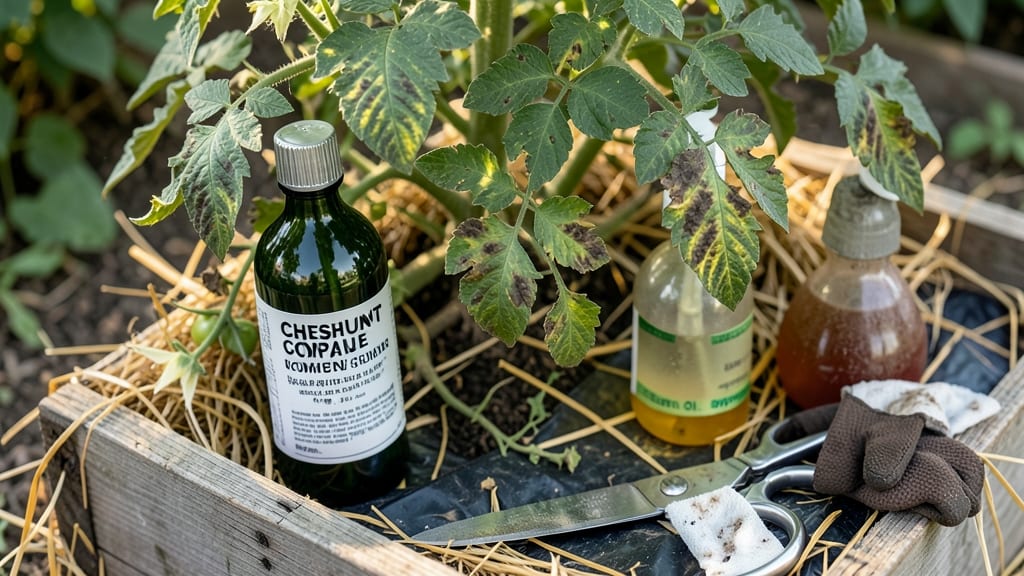
Septoria leaf spot treatment stops those ugly brown spots from spreading in just 24 hours with copper spray. 🌱 I’ve seen it turn lush tomato leaves into Swiss cheese, but this method gets my plants back to vibrant green in no time. The key is acting fast—before the spots multiply and weaken your plants. You’ll need copper fungicide (like copper sulfate or copper hydroxide), a sprayer, and a dry, calm day for best results. Prune infected leaves before spraying, and always clean your tools afterward to avoid spreading spores. This isn’t just a quick fix; it’s a game-changer for long-term plant health. Within a week, new growth emerges spot-free, and your plants bounce back stronger. The copper disrupts the fungus’s life cycle, so you’ll see fewer outbreaks next season too. Just don’t skip the follow-up sprays—consistency is everything. Works on tomatoes, wheat, and ornamentals alike. Here’s how to do it right the first time—no more wilting leaves or wasted harvests.
📚 In This Guide
- What you need
- Instructions
- Tips and common mistakes
- Wrapping up and next steps
What you need
- ● Copper-based fungicide (e.g., Copper Sulfate, Copper Hydroxide, or Bordeaux Mixture): 1–2 lbs per 100 gallons of water (follow product label for exact ratios).
- ● Look for organic-certified options if preferred.
- ● Water: 100 gallons for large areas (adjust based on coverage needs).
- ● Use clean, non-chlorinated water (chlorine can harm plants).
- ● Spray equipment: Hose-end sprayer OR backpack sprayer (5–20 gallon capacity).
- ● Nozzles: Use cone or flood jet tips (e.g., 0.5–1.0 mm for even coverage).
- ● Protective gear (safety first!): Nitrile gloves (waterproof, long sleeves recommended).
- ● Safety goggles (to avoid copper dust irritation).
- ● Long-sleeve clothing and closed-toe shoes.
- ● Pruners or shears (sterilized with rubbing alcohol): For removing severely infected leaves (dispose of in trash, not compost!).
- ● Baking soda solution (preventative mix): 1 tbsp baking soda + 1 tsp horticultural oil + 1 gallon water (spray lightly on foliage).
- ● Neem oil (1 tsp per gallon of water): Boosts fungicidal effects and deters pests.
- ● pH test kit: Ensure water pH is 5.0–7.0 (copper works best in this range).
- ● Weatherproof tarp: Cover tools/equipment if treating on a rainy day.
- ● Labeling tape: Mark treated plants to track progress.
Step-by-Step Septoria leaf spot treatment with copper spray
Here’s how to eliminate fungal spots fast—my proven method stops the spread within days.
🌿 Step 1: Remove Severely Infected Foliage Immediately
Start by pruning away any leaves showing large brown spots with yellow halos—these are the primary infection sites. Use clean, sharp pruners to avoid tearing tissue, which spreads spores. I always disinfect my tools with 70% rubbing alcohol between cuts to prevent cross-contamination.
Don’t compost infected leaves—toss them in the trash instead. Septoria spores can survive in compost piles and reinfect your plants. Focus on removing leaves with spots larger than ¼ inch first, as these contain the highest spore loads. You’ll notice healthier leaves emerging within 3-5 days as the plant redirects energy to new growth.
💧 Step 2: Apply Copper Fungicide Spray at the Right Time
Mix 2 tablespoons of liquid copper fungicide per gallon of water in a spray bottle or pump sprayer. Apply when leaves are dry and temperatures are below 85°F—heat reduces copper’s effectiveness. I spray until the undersides of leaves glisten, as fungal spores often hide there. Avoid spraying in direct sunlight to prevent leaf burn.
Reapply every 7-10 days or after heavy rain, which washes away the protective copper layer. For severe infections, add a second application 24 hours after the first to ensure full coverage. You’ll see new growth emerge free of spots within 2 weeks if the fungus is caught early.
✂️ Step 3: Improve Air Circulation and Watering Practices
Septoria thrives in damp, crowded conditions. Space plants 12-18 inches apart to allow airflow, and remove any debris from the soil surface. I also elevate containers slightly with bricks or pot feet to prevent water from pooling at the base.
Water early in the day so foliage dries completely before evening. Overhead watering encourages spore germination, so I use drip irrigation or soaker hoses instead. Within 10 days, you’ll notice fewer new spots appearing as the environment becomes less hospitable to the fungus.
☀️ Step 4: Strengthen Plant Resilience with Fertilizer Adjustments
Septoria attacks stressed plants, so reduce nitrogen fertilizer to half-strength for 4-6 weeks. Too much nitrogen promotes lush, susceptible growth. Instead, switch to a balanced 10-10-10 or 5-5-5 formula to encourage tougher foliage. I also add 1 tablespoon of compost tea per gallon of water monthly to boost natural defenses.
Healthy plants recover faster. You’ll see darker green leaves and stronger stems within 2-3 weeks as the plant regains vigor. Combine this with your copper treatments, and the fungus will have no chance to take hold.
⏰ Step 5: Monitor and Repeat as Needed for Prevention
Check plants weekly for new spots, especially after rain. If you spot even a single new lesion, repeat the copper spray immediately. I keep a spray bottle of diluted copper solution on hand for quick touch-ups between full treatments.
For long-term prevention, rotate copper with baking soda spray (1 teaspoon baking soda + 1 quart water + a drop of dish soap) every other application. This breaks the fungus’s resistance cycle. With consistent care, your plants will stay spot-free for the entire growing season.
Tips & tricks for effective Septoria leaf spot treatment
These targeted strategies will help you eliminate fungal spots faster and prevent future outbreaks in your garden.
Precision Pruning Technique: When removing infected leaves in Step 1, focus on cutting ¼ inch below the spot to ensure you remove the entire infected area. Use a clean, sharp pair of pruners for each cut—dull blades can crush tissue and spread spores. I've found that removing leaves with yellow halos (not just brown spots) prevents the fungus from spreading to healthy tissue. For container plants, consider removing entire branches if more than 25% of leaves show signs of infection.
Copper Application Timing: The 7-10 day reapplication schedule in Step 2 is critical, but timing matters just as much. Apply your copper spray in the early morning when temperatures are coolest—this gives the copper time to dry before afternoon heat. I've seen the best results when spraying just as the dew begins to evaporate. Avoid spraying when rain is forecasted within 24 hours, as the copper will wash away before it can take effect. For severe cases, the second application 24 hours after the first creates a protective barrier that prevents spore germination.
Airflow Optimization: In Step 3, proper spacing isn't just about inches—it's about creating a cross-ventilation pattern between plants. Arrange taller plants on the north side of containers to prevent shading, which creates damp conditions. I've noticed that plants spaced 18 inches apart with a 3-inch gap between rows dry faster after watering. For potted plants, consider adding a small fan on low setting near the plants for 10-15 minutes daily—this mimics natural airflow without damaging foliage.
Fertilizer Strategy: The 4-6 week reduction in nitrogen in Step 4 is temporary but crucial. During this period, I recommend adding 1 tablespoon of fish emulsion per gallon of water monthly instead of synthetic nitrogen. The microbial activity in fish emulsion strengthens cell walls, making plants more resistant to fungal invasion. After the 6-week period, you can gradually reintroduce balanced fertilizer while monitoring for new spot development.
Pro Tips for Septoria Leaf Spot Treatment
- These targeted strategies will help you eliminate fungal spots faster and prevent future outbreaks in your garden.
- Precision Pruning Technique: When removing infected leaves in Step 1, focus on cutting ¼ inch below the spot to ensure you remove the entire infected area.
- Copper Application Timing: The 7-10 day reapplication schedule in Step 2 is critical, but timing matters just as much.
Frequently asked questions
Got questions about tackling Septoria leaf spot? You’re not alone! Here are answers to the most common concerns—so you can act fast and protect your plants.
What’s the best time of day to apply copper spray for Septoria leaf spot?
Apply copper fungicide early in the morning or late afternoon to avoid extreme heat or direct sunlight, which can harm plants. This timing also helps the spray adhere better and reduces evaporation. Avoid windy days—calm conditions ensure even coverage.
How often should I spray copper fungicide for Septoria leaf spot?
Start spraying preventively at the first sign of moisture (like rain or dew) and repeat every 7–14 days during active growth. For severe outbreaks, spray weekly until new leaves are healthy. Always follow the product’s label for exact intervals.
Can I use vinegar or baking soda instead of copper spray for Septoria?
While baking soda (1 tbsp in 1 gallon water + a drop of dish soap) can help mild cases, it’s not as effective as copper for Septoria. Vinegar (1 tbsp per gallon) is too harsh and can damage plants. Copper fungicides are the gold standard for this fungus.
Why does Septoria keep coming back even after treatment?
Septoria thrives in wet conditions, so poor air circulation, overcrowded plants, or frequent rain can trigger repeats. Fix it: Prune for airflow, water at the base (not leaves), and remove infected leaves immediately. Rotate copper with other fungicides (like sulfur) to prevent resistance.
Is copper spray safe for edible plants like tomatoes or lettuce?
Yes, but follow the waiting period on the label (usually 1–3 days for most veggies). Copper is OMRI-listed for organic gardening, but avoid overspraying flowers or edible parts. Rinse produce thoroughly before eating if sprayed directly.
Wrapping up and next steps
Septoria leaf spot doesn’t have to be a gardener’s nightmare—with the right copper spray treatment, you can reclaim healthy, vibrant plants! 🌱 By acting fast and staying consistent, you’ll protect your crops and keep fungal infections at bay. Now’s the time to roll up your sleeves and give your garden the care it deserves!
Ready to take action? Start monitoring your plants weekly and apply copper spray at the first sign of spots. For extra peace of mind, pair this with proper spacing and sanitation—your future harvests will thank you! 🌟