
Pests and Diseases
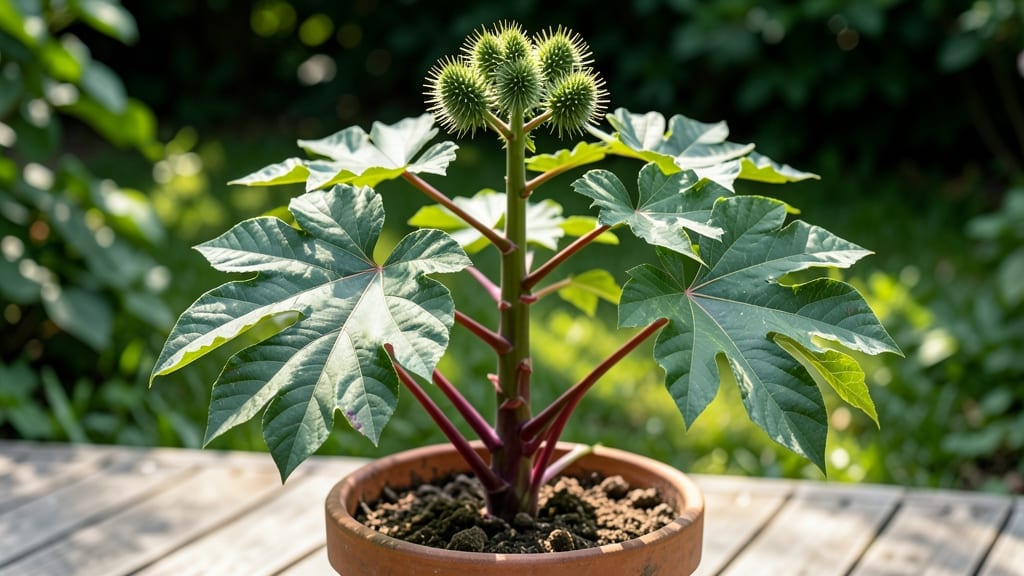
Five-leaf poison ivy isn’t just a nuisance—it’s a stealthy invader that turns yards into itchy battlefields. 🌿 I’ve seen it creep along fences, climb trees, and spread relentlessly, leaving red, blistering welts in its wake.
The key to stopping it? Copper spray, which disrupts its growth without harsh chemicals that harm other plants.
This plant hides in plain sight, mimicking harmless vines like Virginia creeper (which has five leaflets too but with jagged edges). Poison ivy’s leaves grow in clusters of three—though some vines develop five leaves—and release urushiol oil on contact.
That oil triggers allergic reactions in 85% of people, causing rashes that last weeks. The sooner you spot and treat it, the less it spreads.
Copper spray works by creating an unfriendly environment for poison ivy’s roots while letting grass and flowers thrive. You’ll see new growth slow within 2-3 weeks, and repeated treatments in spring and fall keep it from staging a comeback.
The best part? It’s safe for pets and kids once dry—no more chemical warnings or fenced-off areas.
Here’s the catch: don’t confuse it with edible lookalikes. Wild carrot (Queen Anne’s lace) has fern-like leaves, and pokeweed grows in tall clusters. Poison ivy’s leaves are glossy, smooth-edged, and often turn red in fall.
When in doubt, snap a photo and compare—because one wrong cut can turn your garden into an itch fest for months.
Root Causes Of Poison Exposure
Understanding why poisonous plants like five-leafed ivy (commonly misidentified as poison ivy) trigger reactions helps you avoid them—and protect your health. These reactions stem from a mix of biological, environmental, and human factors. Below, we break down the key reasons why exposure leads to irritation, rashes, or worse.
Poison ivy (Toxicodendron radicans) and its lookalikes produce urushiol, a potent oil found in the plant’s sap, roots, and even airborne particles. When urushiol comes into contact with your skin, it triggers an immune response—your body mistakenly treats it as a threat.
- How it works: Urushiol binds to skin proteins, creating haptens that your immune system recognizes as foreign.
This prompts T-cells to release cytokines, leading to inflammation, blisters, and itching. - Actionable insight: Even tiny amounts (as little as 0.1 micrograms) can cause a reaction in sensitive individuals. The oil can linger on tools, clothing, or pets for years after the plant is gone.
Urushiol isn’t just in the leaves—it’s in every part of the plant, including:
- Leaves (especially the shiny, five-leaf clusters)
- Stems and vines (often overlooked but just as dangerous)
- Roots (disturbing them releases urushiol into the soil)
- Airborne particles (crushing or burning the plant spreads urushiol as a fine dust)
Pro tip: 💡 Never assume a plant is safe just because it’s not poison ivy. Many lookalikes (like virginia creeper or boxelder) are harmless, but urushiol cross-reactivity means your skin may still react.
You don’t even need to touch the plant to get urushiol on your skin.
Here’s how it happens: - Tool or pet contamination: Mowing, trimming, or petting an animal that brushed against the plant transfers urushiol. - Clothing or gear: Hiking pants, gloves, or even a backpack can harbor urushiol for days. - Smoke inhalation: Burning poison ivy releases urushiol particles into the air, which can land on your eyes, lungs, or skin—even indoors.
Warning: 🚨 Urushiol can survive washing unless you use hot water (140°F+) and soap with degreasers (like dish soap). Regular laundry detergents often fail to remove it completely.
Not everyone reacts the same way to urushiol.
Your skin’s condition plays a huge role: - Broken or damaged skin (cuts, scrapes, or eczema) absorbs urushiol faster and more severely. - Sweat or humidity can spread urushiol to unaffected areas (a phenomenon called autoinoculation). - Genetics: About 15–30% of people have a stronger immune response to urushiol, leading to worse reactions.
Prevention tip: 🧴 If you’re prone to reactions, wear long sleeves, gloves, and closed-toe shoes when near wild plants. After exposure, wash immediately with cold water and soap to reduce absorption.
Heat, moisture, and even seasonal changes can worsen reactions:
- Summer heat increases sweat, spreading urushiol faster.
- Rain or dew can wash urushiol into the soil, making it easier to track indoors.
- Dry, windy conditions create urushiol dust, increasing airborne exposure risks.
Seasonal alert: ⏰ Spring and early summer are peak times for poison ivy growth—and thus higher exposure risks. Stay vigilant during these months.
Quick Fixes for Poison Ivy Spots
Dealing with poison ivy (or its close cousin, poison oak) can feel like a never-ending battle—especially when those pesky spots start popping up or the plant keeps spreading. But don’t worry! With the right approach, you can stop the spread, soothe irritation, and prevent future outbreaks—naturally and effectively.
Below, we break down practical, step-by-step solutions tailored to the root causes of your problem, whether it’s foliar spots, creeping vines, or skin reactions.
If your poison ivy plants are showing yellowing leaves, black spots, or moldy growth, a fungal or bacterial infection might be the culprit. Copper-based sprays are a time-tested, organic way to tackle these issues without harsh chemicals.
🔥 Step 1: Identify the Problem
- Check for: Dark, greasy spots (bacterial leaf spot) or powdery white patches (fungal infections like powdery mildew).
- Act fast: These spread quickly in warm, humid conditions—don’t wait!
🍳 Step 2: Mix Your Copper Spray
You’ll need:
- 1 tbsp copper sulfate (or a pre-mixed copper fungicide)
- 1 gallon of water
- 1 tsp mild liquid soap (helps the spray stick)
How to mix:
- Dissolve the copper sulfate in a small amount of warm water first.
- Stir into the gallon of water until fully blended.
- Add the soap and mix well.
⚠️ Safety first! Wear gloves and a mask—copper can irritate skin and lungs.
👨🍳 Step 3: Apply the Spray
- Best time: Early morning or late evening (avoid direct sunlight, which can burn leaves).
- Coverage: Spray both sides of leaves and the stems until glistening.
- Frequency: Reapply every 7–10 days until the spots disappear.
💡 Pro Tip: If spots persist after 2–3 treatments, the plant may be too far gone—pull it out and compost it (don’t use it in your garden!).
Poison ivy spreads like wildfire through underground roots and vines. If you’re seeing new sprouts popping up far from the original plant, you need aggressive removal.
🔪 Step 1: Cut & Smother (For Small Patches)
- Grab gloves and goggles—poison ivy oil can linger on tools!
- Cut vines at the base with long-handled loppers (aim for the root crown).
- Smother regrowth: Cover the area with black plastic or cardboard for 4–6 weeks to starve remaining roots.
🌡️ Step 2: Herbicide for Stubborn Cases
If manual removal fails, a glyphosate-based herbicide (like Roundup) works best for large infestations.
- Apply on a dry, windless day to avoid drift.
- Reapply after rain—herbicide washes off easily.
- Wait 24–48 hours before disturbing the area (wear gloves!).
✨ Prevention Hack: After removal, salt the soil (1 cup salt per square foot) to kill any lingering roots.
If you’ve already come into contact with poison ivy, act fast to reduce itching and blistering.
🚿 Step 1: Wash Immediately
- Use cold water and soap (hot water opens pores and worsens absorption).
- Scrub under nails—oil can hide there and reinfect.
💊 Step 2: Over-the-Counter Remedies
| Symptom | Treatment | How to Use |
|---|---|---|
| Itching | Calamine lotion or hydrocortisone cream (1%) | Apply 2–3x daily |
| Blisters | Baking soda paste (mix with water) | Apply as a cool compress |
| Swelling | Oral antihistamine (Benadryl) | Take as directed |
| Severe reaction | See a doctor (may need prednisone) | Don’t delay! |
💡 Natural Remedies:
- Oatmeal bath (colloidal oatmeal soothes skin).
- Aloe vera gel (reduces inflammation).
- Wet compress with apple cider vinegar (diluted 1:1 with water).
Once you’ve dealt with the problem, stop it from returning with these long-term strategies:
✅ Barrier Method: Lay landscape fabric under mulch to block roots. ✅ Regular Inspections: Check your yard monthly for new sprouts. ✅ Pet & Tool Safety: Wash pets’ paws after walks and clean tools with bleach after use. ✅ Natural Deterrents: Plant strong-smelling herbs (like mint or lemongrass) around borders—poison ivy hates competition!
Final Thought: Whether you’re battling spots, vines, or skin irritation, the key is speed and consistency. Copper sprays work for plants, while washing + hydrocortisone saves your skin. Stay vigilant, and you’ll keep this pesky invader under control! 🚀
Frequently asked questions about five-leaf poisonous plants
What’s the difference between poison ivy and Virginia creeper?
Poison ivy has three shiny leaves (though some vines develop five), while Virginia creeper always has five leaflets with jagged edges. Poison ivy’s leaves grow in clusters of three, and the vines have a hairy, reddish stem. Virginia creeper’s stems are smooth and blue-green.
How do I know if my rash is from poison ivy or something else?
Poison ivy rashes appear as red, itchy streaks or patches that spread in lines where the oil touched your skin. They take 12–48 hours to appear and blister within 2–3 days. If you see swelling, fever, or trouble breathing, seek medical help immediately—it could indicate a severe allergic reaction.
Can pets get poison ivy rashes?
Pets can’t get rashes from poison ivy, but they can carry the oil on their fur and transfer it to your skin. Always wash your pet’s paws after walks and check for plant residue. If your pet has been near poison ivy, wash their fur with pet-safe shampoo to remove any lingering oil.
How long does urushiol oil stay active on tools or clothing?
Urushiol can remain active on tools, clothing, or even skin for years if not properly cleaned. To remove it, wash with hot water (140°F+) and degreaser soap (like dish soap). For tools, soak in a bleach solution (1 part bleach to 10 parts water) for 15 minutes, then rinse thoroughly.
Is copper spray safe for all plants?
Copper spray is generally safe for most plants, but it can harm acid-loving plants like blueberries or azaleas if overused. Always test a small area first and avoid spraying edible plants within 24 hours of harvest. For delicate plants, dilute the copper solution further or use it sparingly.