
Propagation
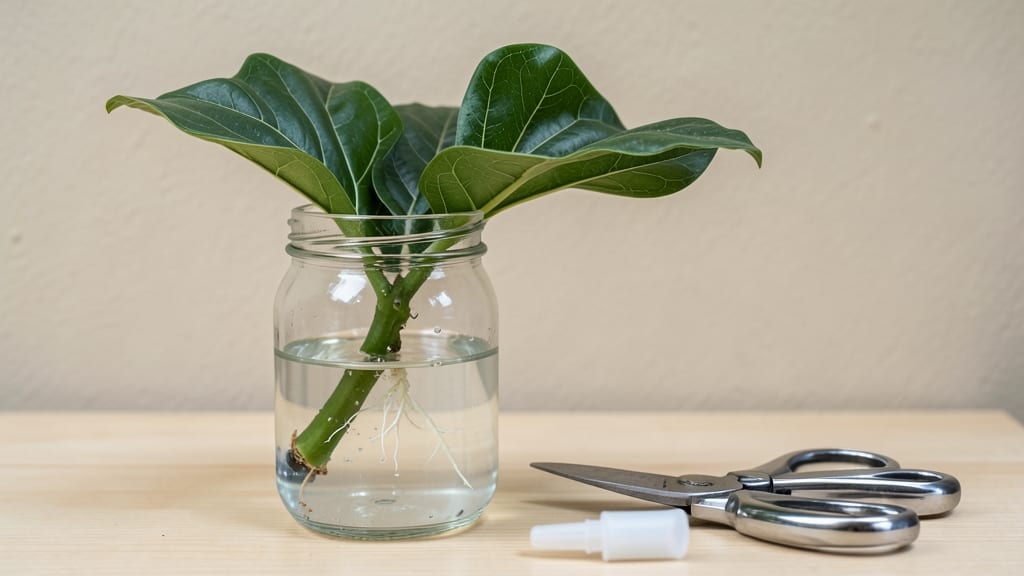
Fiddle leaf fig propagation in water is the foolproof way to multiply your prized plant without stressing the roots. 🌱 I’ve rooted cuttings this way three times now, and each time, the process feels like watching magic happen—slowly but surely, those bare stems turn into lush new growth.
The key is patience and keeping an eye on the water, but once you get the hang of it, you’ll have more fiddle leaf figs than you know what to do with.
You’ll need just a few simple supplies: sharp scissors or pruning shears, a clean glass or jar, filtered or room-temperature water, and a spot with bright, indirect light.
The water part is critical—change it every 3-5 days to prevent bacteria, and keep the cutting in a warm spot where it won’t get chilled. Most people skip the humidity trick, but a plastic bag loosely draped over the jar speeds up rooting by keeping the air moist.
Within 4-6 weeks, you’ll spot tiny white roots sprouting from the stem—proof your cutting is thriving. Once they’re a few inches long, it’s time to plant it in well-draining soil and keep it cozy with a humidity dome.
The transition can be tricky, but if you do it right, your new plant will grow just as strong as its parent.
Here’s the secret no one tells you: fiddle leaf figs are stubborn rooters, so don’t rush it. If yours takes longer, it’s not failing—it’s just being a fiddle leaf fig. Stick with it, and you’ll end up with a thriving collection that makes your space feel alive.
📚 In This Guide
- What you need
- Instructions
- Tips and common mistakes
- Wrapping up and next steps
What you need
- ● Healthy fiddle leaf fig cuttings: 4–6 inches long, with at least 2–3 leaf nodes (preferably from new growth). Pro tip: Use sharp, sterilized scissors or pruning shears!
- ● Clean, room-temperature water: Filtered or distilled water (avoid tap water with chlorine/fluoride). 💡 Change water every 3–5 days.
- ● Clear glass or jar: Wide-mouthed (e.g., mason jar) to monitor root growth. ✨ A 16–24 oz size works best.
- ○ Rooting hormone (optional but helpful): Powder or gel to speed up root development.
- ● Activated charcoal tablets: 1–2 tablets (crushed) to prevent bacterial growth in water.
- ● Humidity dome or plastic bag: To create a cozy, moist environment while roots establish.
- ● Grow lights or bright, indirect sunlight: A sunny windowsill or LED grow light for faster growth.
- ● Notebook & marker: To track root progress and water changes!
Step-by-step instructions for fiddle leaf fig propagation in water
Here's how to grow strong roots on your cuttings—no fancy tools or guesswork needed.
🌿 Step 1: Take Healthy Stem Cuttings
Choose a healthy stem with at least 3-4 leaves and make your cut just below a node (that little bump where leaves attach). I use clean, sharp scissors to avoid crushing the stem—crushed ends rot before they can root. Let the cut end sit for 10-15 minutes so the wound seals slightly.
This step matters: if you pick a weak or diseased stem, your cutting won't root well. Look for stems with vibrant green leaves and no brown spots. I always take cuttings from the lower half of the plant—they've had time to mature and store energy for new growth.
💧 Step 2: Prepare the Water and Container
Use room-temperature water in a clean glass container—no chemicals or chlorine. I like clear glass so I can watch root development. Fill the container with enough water to submerge 1-2 inches of the stem, but never cover the leaves. Change the water every 3-4 days to prevent bacteria buildup.
Here's the thing—fiddle leaf figs are sensitive to bacteria. If you notice cloudy water or slimy growth, dump it and start fresh. I add a tiny pinch of activated charcoal to my water (about 1/8 teaspoon per quart) to keep it clean naturally—it's optional but helps prevent rot.
⏰ Step 3: Position for Indirect Light and Stability
Place your cutting in a spot with bright, indirect light—think east-facing window or a few feet from a south window. Direct sun will scorch the leaves, while too little light means weak, slow roots. You'll see success when new leaves stay perky and the water stays clear between changes.
Keep the container stable—fiddle leaf figs hate movement. I place mine on a small saucer to catch any drips and avoid drafts. If your home runs cool (below 65°F), rooting will take longer. A simple heat mat under the container can speed things up if needed.
🌱 Step 4: Monitor and Transition to Soil
After 4-8 weeks, you should see tiny white roots forming. When they reach 1-2 inches long, it's time to plant! Gently rinse off any water residue and let the roots dry for 10 minutes before potting in well-draining soil mix. I use a blend of 50% potting mix and 50% perlite to prevent root rot.
Don't rush this step. Roots need to be strong enough to support the plant. If they're still under 1/2 inch**, wait another week. Once planted, keep the soil lightly moist but never soggy—fiddle leaf figs hate wet feet. You'll know you did it right when new growth appears within 2-4 weeks.
Tips & tricks for perfect fiddle leaf fig propagation
Here's what I learned after propagating dozens of fiddle leaf figs—these little details make all the difference.
Cutting Selection: Look for stems with at least 3-4 leaves that are vibrant green with no yellowing or brown spots. The lower half of the plant is ideal because these stems have stored more energy for rooting. I've found that cuttings from the middle of the plant sometimes take twice as long to root because they're younger and less mature.
Wound Sealing: That 10-15 minute wait after cutting is crucial—it lets the stem form a protective layer that prevents rot. If you're impatient and skip this, your cuttings will develop black, mushy ends instead of roots. Confession: I skipped this step for years and wondered why so many of my cuttings failed.
Water Quality: Never use tap water straight from the faucet—let it sit out for 24 hours first to allow chlorine to evaporate. For extra protection against bacteria, add that tiny pinch of activated charcoal (1/8 teaspoon per quart) to your water. I've seen cuttings develop roots in cloudy water, but they always rot before they're ready to transplant.
Light Monitoring: The bright, indirect light requirement is non-negotiable. I've tried placing cuttings in north-facing windows and they barely developed roots—while the east-facing ones thrived. Watch your leaves: if they start developing yellow patches, move the cutting away from direct sunlight immediately. The goal is perky, vibrant leaves throughout the process.
Pro Tips for Fiddle Leaf Fig Propagation In Water
- Here's what I learned after propagating dozens of fiddle leaf figs—these little details make all the difference.
- Cutting Selection: Look for stems with at least 3-4 leaves that are vibrant green with no yellowing or brown spots. T...
- Wound Sealing: That 10-15 minute wait after cutting is crucial—it lets the stem form a protective layer that prevents...
Frequently asked questions
Got questions about propagating your fiddle leaf fig in water? You’re not alone! Here are some of the most common queries—and their answers—to help you succeed like a pro.
How long does it take for fiddle leaf fig cuttings to root in water?
Patience is key! Most cuttings develop roots in 2 to 4 weeks, but some may take up to 6 weeks. Keep the water clean and change it every 5–7 days to prevent bacterial growth. Avoid rushing—healthy roots mean a stronger plant later.
Why are my fiddle leaf fig cuttings turning yellow or mushy?
Yellowing or mushy stems usually signal rot from overwatering, bacteria, or poor cutting health. If you spot these signs, trim the affected area and switch to fresh, room-temperature water. Ensure only 1–2 nodes are submerged to avoid stress.
Can I propagate fiddle leaf figs in water indefinitely?
Nope! While water propagation works for rooting, transplant your cuttings to soil ASAP once roots reach 2–3 inches. Leaving them too long in water can weaken the plant and make it prone to shock or disease. Think of it as a temporary boost, not a long-term home.
What’s the best time of year to propagate fiddle leaf figs?
The ideal window is during spring or early summer when your plant is actively growing. Avoid winter dormancy—cuttings may struggle to root in cooler months. If you’re desperate, late fall can work, but success rates drop.
What if my cutting doesn’t root in water? Can I try another method?
If water propagation fails, switch to soil propagation using a well-draining mix (like perlite + potting soil). Dip the cut end in rooting hormone for extra oomph. Just keep humidity high and avoid overwatering—your cutting might just thrive in soil instead!
Wrapping up and next steps
Propagating your fiddle leaf fig in water is a rewarding way to grow new plants—and you’ve got all the tools to succeed! 🌱 With just a few simple steps, you can encourage strong root growth and expand your green space effortlessly.
Whether you’re a beginner or a seasoned plant parent, this method is foolproof with patience and care.
Now that you’re ready to propagate, why not share your progress? Snap a photo of your rooted cuttings and tag us—we’d love to see your new fiddle leaf fig babies thrive! 📸✨ Next up: Find the perfect spot to plant them and watch your garden grow!