
Transplanting
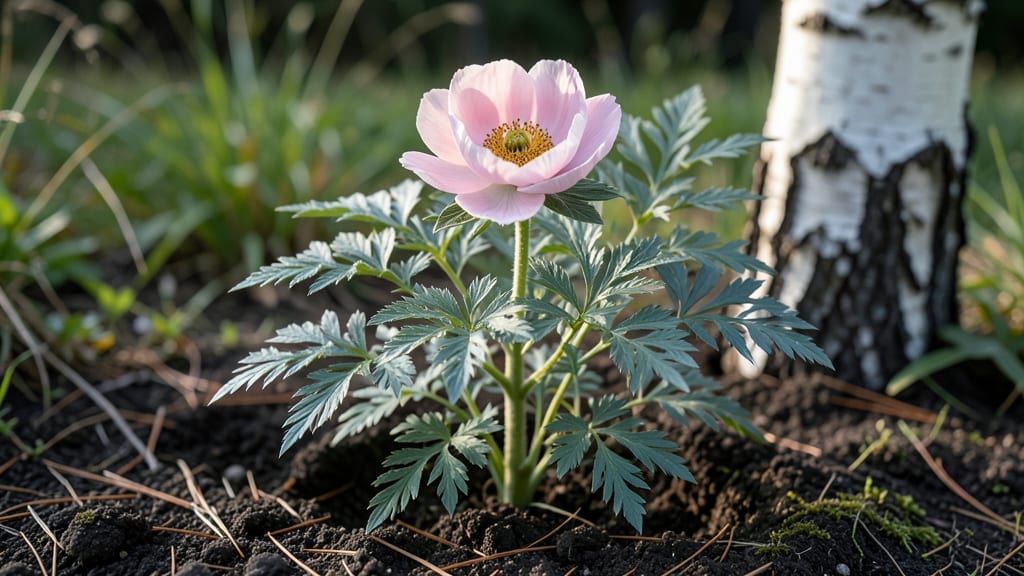
Fern-leafed peonies bring a touch of woodland magic to gardens, with their delicate, fern-like foliage and fragrant blooms that last all season. 🌿 Unlike their herbaceous cousins, these peonies stay evergreen in mild climates, offering year-round interest with minimal fuss.
The secret lies in their love of well-draining soil and partial shade—conditions that mimic their native rocky slopes. These peonies thrive in zones 3-8, making them one of the hardiest choices for gardeners. Plant them in spring or early fall, ensuring the crown sits just below soil level.
Water deeply after planting, then let nature take over—they’re surprisingly drought-tolerant once established. Their minimal pruning needs mean less work for you and more blooms for your garden.
By late spring, you’ll see clusters of pink, white, or red flowers nodding above the ferny foliage, followed by seed pods that add texture through fall. The foliage turns golden in winter, creating a stunning contrast against snow.
Perfect for borders, woodland gardens, or even containers, these peonies reward patience with effortless beauty. For best results, mulch around the base in winter to protect roots, and avoid heavy fertilizers—they prefer lean soil. Whether you’re a beginner or an experienced gardener, fern-leafed peonies deliver drama with almost no effort.
Let’s get yours growing!
📚 In This Guide
- What you need
- Instructions
- Tips and common mistakes
- Wrapping up and next steps
What you need
- ● Fern-leaved peony plants: 1–3 mature plants (or bare-root divisions if propagating). Choose healthy specimens with dark green, fern-like foliage and pink or white flowers.
- ● Well-draining soil: A mix of native soil (60%), compost (30%), and perlite or sand (10%) for optimal aeration. Aim for a pH of 6.0–7.5.
- ● Organic mulch: 2–3 inches of wood chips, straw, or shredded bark to retain moisture and suppress weeds.
- ● Slow-release fertilizer: A balanced 10-10-10 or low-phosphorus option (5-10-10) to avoid overfeeding.
- ● Garden trowel or spade: For digging holes (aim for 12–18 inches deep and 2–3 times wider than the root ball).
- ● Garden gloves: Heavy-duty to protect hands while handling roots.
- ● Pruners or shears: Bypass pruners for clean cuts (sterilize with rubbing alcohol).
- ● Watering can or hose with a gentle nozzle: Fern-leaved peonies prefer deep but infrequent watering (1–1.5 gallons per plant weekly).
- ● Measuring tape or ruler: To ensure proper spacing (2–3 feet apart for mature plants).
- ● Epsom salt: A handful mixed into planting holes for magnesium boost (great for foliage health).
- ○ Plant support (optional): Light stakes or cages if stems flop in heavy blooms or rain.
- ● Drip irrigation system: For automated, consistent moisture (ideal for dry climates).
- ● Compost tea or fish emulsion: For a foliar feed during the growing season (spring/fall).
Step-by-Step guide to planting and caring for fern-leafed peonies
Here's how to establish these stunning perennials for decades of lush, fragrant blooms with almost no fuss.
🌱 Step 1: Choose the Perfect Planting Location
Fern-leafed peonies thrive in full sun to partial shade, with at least 6 hours of direct sunlight daily. I always pick a spot with morning sun and afternoon shade in hotter climates—this prevents leaf scorch while ensuring strong blooms. The soil should drain well but retain moisture; these peonies hate soggy roots.
Dig a hole twice as wide as the root ball but only as deep as the top of the roots. Planting too deep smothers the crown and prevents blooming. If your soil is heavy clay, amend with 2-3 inches of compost mixed into the bottom of the hole. This improves drainage while providing nutrients for years.
💧 Step 2: Plant and Water Thoroughly
Place the peony roots in the hole so the eyes (buds) sit just below soil level—never deeper than 1 inch. I like to mound soil around the roots first, then gently press down to eliminate air pockets. The crown should sit 1-2 inches above the surrounding soil to prevent rot during heavy rains.
Water immediately after planting to settle the soil and eliminate air gaps. Give it 1 gallon of water per plant, then let the soil settle for 10 minutes before adding more if needed. Over the next 2 weeks, water deeply 2-3 times weekly until new growth appears. You'll see fresh, vibrant foliage within 7-10 days—that's your sign the roots have taken.
☀️ Step 3: Mulch and Protect for First Year
Spread 2-3 inches of mulch (like shredded bark or straw) around the base, keeping it 3 inches away from the crown to prevent rot. This conserves moisture and regulates soil temperature. In colder zones, add an extra 4-6 inches of mulch in late fall to protect the crown over winter.
Fern-leafed peonies are drought-tolerant once established, but young plants need consistent moisture. Water deeply once weekly during dry spells, aiming for 1 inch of water per week. You'll know you're doing it right when the soil feels damp 2 inches down but not soggy. Avoid wetting the leaves to prevent fungal diseases like powdery mildew.
✂️ Step 4: Minimal Pruning for Year-Round Beauty
Wait until late spring (after the last frost) to prune. Cut back dead or damaged stems to the base, but leave healthy foliage until it yellows naturally in fall. This ensures energy storage for next year's blooms. I never prune more than one-third of the plant in a single season—these peonies reward patience.
In fall, remove only the dead stems after the first hard frost. The fern-like foliage stays attractive all winter, so I leave it for texture and interest. If you must clean up, wait until early spring when new growth begins. You'll see fresh shoots emerging from the crown in 3-4 weeks, signaling it's time to step back and let nature do the work.
⏰ Step 5: Feed and Monitor for Long-Term Health
Apply a balanced, slow-release fertilizer (10-10-10) in early spring when new shoots appear. Use half the recommended dose—peonies are heavy feeders but don't need much. I also top-dress with 1-2 inches of compost in fall to replenish nutrients naturally.
Watch for aphids or Japanese beetles on new growth. A strong spray of water usually dislodges them, but severe infestations may require neem oil. These peonies are generally pest-resistant, so don't overreact to a few chewed leaves. Healthy plants bounce back quickly, and the fern-like foliage masks minor damage beautifully.
Tips & tricks for perfect fern-leafed peony planting
Here's what nobody tells you about getting these perennials to thrive with minimal effort.
Location Intelligence: In Step 1, when choosing your planting spot, prioritize areas with morning sun and afternoon shade in hotter climates—this prevents leaf scorch while still giving those blooms the energy they need. I've planted mine near the eastern edge of my garden where they get 6 hours of gentle morning light, and they've thrived for years without a single brown leaf. The key is observing how the sun moves across your yard before planting.
Planting Precision: During Step 2, when positioning those peony roots, I can't stress enough how critical the crown placement is. The eyes should be just below soil level—never deeper than 1 inch. I've seen gardeners bury them too deep, and those plants never bloom properly. Think of it like planting a potato: you want the "eyes" (buds) facing upward but just covered, not buried. This simple adjustment makes all the difference for future blooms.
Mulching Mastery: In Step 3, when applying that 2-3 inches of mulch, keep it 3 inches away from the crown to prevent rot. I've made this mistake before and ended up with a soggy crown that never recovered. Use organic mulches like shredded bark or straw—they break down slowly and improve soil structure over time. In colder zones, that extra 4-6 inches in fall makes a huge difference in winter protection.
Pruning Patience: When you reach Step 4, remember that less is more with peonies. I used to get impatient and cut back too much, but now I wait until late spring to prune only the dead stems. The fern-like foliage stays beautiful all winter and actually protects the crown. That 3-4 week wait for new shoots in early spring is worth it—it signals the plant's natural cycle and ensures strong blooms next season.
Pro Tips for Fern Leafed Peony
- Here's what nobody tells you about getting these perennials to thrive with minimal effort.
- Location Intelligence: In Step 1, when choosing your planting spot, prioritize areas with morning sun and afternoon shade in hotter climates—this prevents leaf scorch while still giving those blooms the energy they need.
- Planting Precision: During Step 2, when positioning those peony roots, I can't stress enough how critical the crown placement is.
Frequently asked questions
about the fern-leafed peony (Paeonia tenuifolia)—because every gardener deserves clarity! Whether you're a transplanting newbie or a seasoned pro, these answers will help you grow this stunning perennial with confidence.How do I know if my fern-leafed peony is healthy?
A healthy fern-leafed peony has deep green, glossy foliage with no yellowing or brown spots. Its stems should be firm, and flowers should bloom abundantly in early spring. If leaves appear wilted or stems are mushy, it may signal overwatering or root rot. Pro tip: Check the soil moisture—it should stay evenly damp but never soggy!
When is the best time to transplant a fern-leafed peony?
Transplant in early fall or late winter (before new growth starts) for the best success. Avoid transplanting during extreme heat or frost. Choose a cool, cloudy day to reduce stress on the plant. Water thoroughly the day before and after transplanting to help it establish roots faster.
Can I grow fern-leafed peony in containers?
Yes! Use a large container (at least 12 inches deep) with well-draining soil mixed with compost. Ensure it gets 6+ hours of sunlight daily and water consistently. Containers dry out faster, so monitor soil moisture closely. Pro tip: Move pots indoors during harsh winters if temperatures drop below 20°F.
Why aren’t my fern-leafed peony flowers opening?
Several factors could be at play: too much shade, overcrowded roots, or lack of nutrients. Ensure it gets full sun to partial shade and prune dead or overgrown foliage in early spring. Amend soil with bone meal or compost before blooming season for a nutrient boost.
What are some low-maintenance alternatives to fern-leafed peony?
If you love its delicate blooms but want easier care, try tree peonies (Paeonia suffruticosa) (hardier, longer-lived) or daylilies (Hemerocallis) (tough, prolific bloomers). For fragrant perennials, consider lavender or Russian sage—both thrive with minimal pruning and love full sun!
Wrapping up and next steps
The fern-leafed peony is a dream for gardeners who crave low-maintenance elegance—its lush foliage, fragrant blooms, and resilience make it a standout perennial. With just a few simple steps, you can enjoy its beauty year-round while keeping pruning to a minimum.
Whether you’re a seasoned gardener or just starting, this plant proves that stunning landscapes don’t require endless effort!
Ready to transform your garden? Start by selecting the perfect spot and follow the care tips shared here—your fern-leafed peony will reward you with vibrant growth and effortless charm. Happy planting! 🌿✨