
Flowers
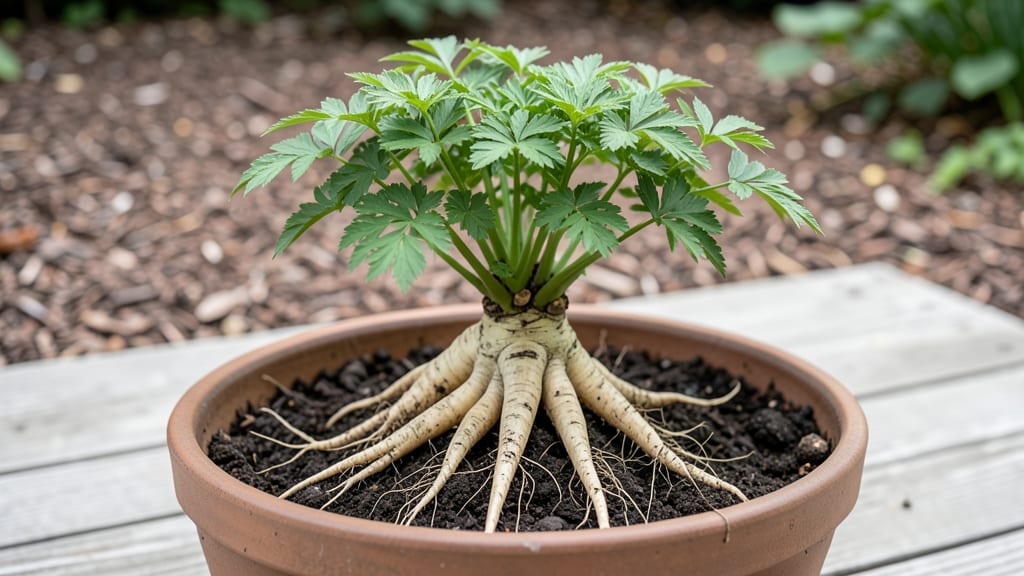
Fern leaf peony roots transform your garden into a lush, fragrant haven with almost no effort—once you know the right timing and technique. 🌿 I’ve divided these tough, fibrous roots for years, and the secret to success lies in handling them gently and planting them at the perfect moment, when the soil is cool but not frozen.
The best time to plant or divide fern leaf peony roots is in early fall or late winter, when the plant is dormant but the ground isn’t hard.
These roots hate soggy soil or being buried too deep—keep them 2-3 inches below the surface in well-draining soil mixed with compost. Space them 3-4 feet apart to give their sprawling roots room to establish.
What you’ll end up with is a garden that blooms reliably for decades, with minimal pruning and almost no pests. The fern-like foliage stays green all season, and the fragrant blooms appear year after year with almost no maintenance. Just avoid overwatering—they’re tough but not swamp plants.
Works in zones 3-8, thrives in full sun to partial shade, and even tolerates rocky soil. Here’s how to get it right the first time—no more struggling with floppy stems or sparse blooms.
📚 In This Guide
- What you need
- Instructions
- Tips and common mistakes
- Wrapping up and next steps
What you need
- ● Fern leaf peony roots: 3–5 healthy, dormant roots (2–3 inches long with 2–3 buds each). Look for plump, firm roots with no signs of rot or damage.
- ● Well-draining potting mix: A blend of 50% garden soil, 30% perlite or coarse sand, and 20% compost (or a pre-mixed cactus/succulent mix). Fern leaf peonies hate soggy soil!
- ● Pot or garden bed: For containers: A 10–12 inch-wide pot with drainage holes (terracotta or fabric pots work best).
- ● For in-ground planting: A sunny, slightly sloped spot with loose, well-draining soil (amend with sand if your soil is heavy clay).
- ● Slow-release fertilizer: A balanced 10-10-10 or 20-20-20 granular fertilizer (follow package rates for application).
- ● Mulch: 2–3 inches of pine bark or shredded leaves to retain moisture and regulate soil temperature.
- ● Garden trowel or shovel (for planting roots).
- ● Pruning shears (sterilized with rubbing alcohol).
- ● Watering can or hose with a gentle spray nozzle (avoid blasting roots!).
- ○ pH testing kit (optional) – Aim for a soil pH of 6.5–7.5.
- ● Garden gloves (to protect your hands from thorns and soil).
- ● Wait until early spring (March–April) or fall (September–October) to plant roots (avoid extreme heat or frost).
- ● Ensure the planting area gets full sun (6+ hours/day)—fern leaf peonies thrive in bright light!
- ● If planting in containers, choose a spot with wind protection (they can topple easily).
Instructions for planting and caring for fern leaf peony roots
Here's how to establish healthy, blooming peonies that reward you with stunning flowers year after year.
🌱 Step 1: Choose the Perfect Planting Location
Fern leaf peonies thrive in full sun to partial shade, with at least 6 hours of direct sunlight daily. I always pick a spot where they'll receive morning sun and afternoon shade—this prevents leaf scorch while ensuring strong blooms. Avoid areas where water pools after rain; peonies hate soggy roots.
Test your soil's drainage by digging a 6-inch deep hole—if water stands for more than an hour, amend the soil with 2-3 inches of compost or a 50/50 mix of garden soil and sand. Fern leaf peonies prefer slightly acidic to neutral soil (pH 6.5-7.5). You can test your soil's pH with a simple kit from the garden center.
🪴 Step 2: Plant Roots at the Correct Depth and Spacing
Dig a hole twice as wide as the root ball but only 1-2 inches deeper than the roots themselves. Fern leaf peonies need to sit no deeper than 2 inches below soil level—planting too deep suffocates the roots and prevents blooms. Handle the roots gently; they're brittle and break easily.
Space your peonies 3-4 feet apart to allow for mature growth. If planting multiple roots, arrange them in a loose circle—this creates a natural, full look over time. Backfill the hole with the original soil, pressing lightly to remove air pockets but not compacting too firmly.
💧 Step 3: Water Deeply and Mulch for Moisture Retention
Water the newly planted roots deeply right after planting, soaking the soil to a depth of 12 inches. You'll want the soil to feel damp but not soggy—peony roots rot quickly in waterlogged conditions. After watering, apply a 2-3 inch layer of mulch (like shredded bark or straw) around the base, keeping it 6 inches away from the crown to prevent rot.
Water once a week during the first growing season, aiming for 1 inch of water per week. Fern leaf peonies are drought-tolerant once established, but young roots need consistent moisture to develop. You'll know you're watering correctly when the soil feels dry to the touch 1-2 inches below the surface between waterings.
☀️ Step 4: Provide Seasonal Care for Year-Round Blooms
In spring, fertilize lightly with a balanced, slow-release fertilizer (10-10-10) when new shoots appear. I sprinkle about ½ cup per plant, working it into the top 2 inches of soil. Avoid high-nitrogen fertilizers—they promote leafy growth at the expense of flowers.
In fall, cut back the foliage to 3-4 inches above the ground once it turns yellow. This helps the plant store energy for next year’s blooms. Apply a 1-2 inch layer of compost around the base in early winter to protect roots from freezing temperatures. Fern leaf peonies are hardy in USDA zones 3-8, so they handle cold well once established.
✂️ Step 5: Prune Strategically for Healthy Growth
Fern leaf peonies are low-maintenance, but a little pruning keeps them looking their best. In early spring, remove any dead or damaged stems before new growth appears. You'll also want to cut back spent blooms to the first set of healthy leaves—this encourages more flowers and prevents seed production, which drains the plant.
Resist the urge to prune in late summer or fall; this can stimulate new growth that won’t harden off before winter. Instead, let the foliage die back naturally. The only exception is if a stem becomes diseased—remove it immediately to prevent spreading. With minimal pruning, your fern leaf peonies will reward you with lush, vibrant blooms for decades.
Tips & tricks for perfect fern leaf peony planting
Here's what I learned after years of growing these stunning perennials—details that make all the difference between average blooms and showstopping gardens.
Sunlight Strategy: That 6 hours of direct sunlight is non-negotiable, but here's the trick: position your peonies to catch morning sun and afternoon shade. This prevents leaf scorch while maximizing bloom production. I've seen plants in full afternoon sun develop brown patches—avoid that by choosing east-facing spots or areas with natural afternoon shade from trees or structures.
Soil Test Tip: Don't guess about your soil's pH—test it first! That 6.5-7.5 range is ideal, but many garden soils run too acidic. If your test shows pH below 6.5, add pelletized lime (about 1 pound per 100 square feet) and work it into the top 6 inches of soil 2-3 months before planting. This gives you time to adjust without burning the roots.
Planting Depth Secret: Remember those 1-2 inches below soil level? That's critical—any deeper and you'll suffocate the roots. I use a small wooden stake marked at the 2-inch level to check depth before backfilling. Also, avoid pressing down too firmly when backfilling—just pat lightly to remove air pockets while maintaining good soil contact.
Watering Wisdom: After that initial 12-inch deep watering, let the soil dry slightly between waterings. I check by sticking my finger 1-2 inches down—if it feels dry, it's time to water. Overwatering is the #1 killer of peony roots, so resist the urge to keep the soil soggy. The 1 inch per week guideline works perfectly in most climates, but adjust for heavy rain or extreme heat.
Pro Tips for Fern Leaf Peony Roots
- Here's what I learned after years of growing these stunning perennials—details that make all the difference between average blooms and showstopping gardens.
- Sunlight Strategy: That 6 hours of direct sunlight is non-negotiable, but here's the trick: position your peonies to catch morning sun and afternoon shade.
- Soil Test Tip: Don't guess about your soil's pH—test it first!
Frequently asked questions
Got questions about growing fern leaf peony roots? You’re not alone! Here are some of the most common queries—plus straightforward answers to help you cultivate stunning, low-maintenance blooms year after year.
How long does it take for fern leaf peony roots to establish and bloom?
With proper care, fern leaf peony roots typically establish within 1–2 years after planting. You may see sporadic blooms in the first year, but full, vibrant flowers usually appear by year 2 or 3. Patience pays off—these perennials reward consistency with long-lasting, repeat blooms from early summer into fall!
When is the best time to plant fern leaf peony roots?
The ideal window is early spring or early fall, when soil temperatures are cool (50–60°F). Avoid extreme heat or frost, as roots are sensitive during these transitions. Pro tip: If planting in fall, do it at least 6–8 weeks before the first frost to allow roots to settle before winter.
How often should I water fern leaf peony roots, especially in drought?
Water deeply once a week during the first growing season to encourage root growth. Once established, they’re drought-tolerant but thrive with 1–2 inches of water per week. In extreme heat, mulch around the base to retain moisture. Overwatering is worse than underwatering—ensure soil drains well to prevent root rot.
Do fern leaf peony roots need pruning? How much?
Minimal pruning is key! Cut back dead or damaged foliage in early spring and trim spent blooms to encourage new growth. Avoid heavy pruning—they bloom on old and new wood. For a tidy look, shear lightly after flowering, but leave at least half the foliage to sustain energy for next year’s blooms.
What are some alternatives to fern leaf peony roots for low-maintenance blooms?
If you love the easy-care, long-blooming appeal of fern leaf peonies, consider:
- Tree peonies (Paeonia suffruticosa): Hardy, fragrant, and drought-tolerant with lush, repeat blooms.
- Daylilies (Hemerocallis): Tough perennials that thrive in poor soil and bloom nonstop for months.
- Black-eyed Susans (Rudbeckia): Native, pollinator-friendly, and nearly indestructible.
- Russian sage (Perovskia): Drought-resistant with silvery foliage and lavender blooms.
Wrapping up and next steps
Fern Leaf Peony roots are a fantastic choice for gardeners seeking beauty with low-maintenance care! 🌸 Their hardy nature, vibrant blooms, and minimal pruning needs make them perfect for both beginners and seasoned plant lovers.
Whether you’re adding them to borders, containers, or your landscape, these roots bring year-round charm with minimal fuss.
Ready to elevate your garden? Start by selecting healthy roots, planting them in well-draining soil, and giving them the right sunlight. With a little patience, you’ll soon enjoy their stunning flowers—happy gardening! 🌱