
Planting
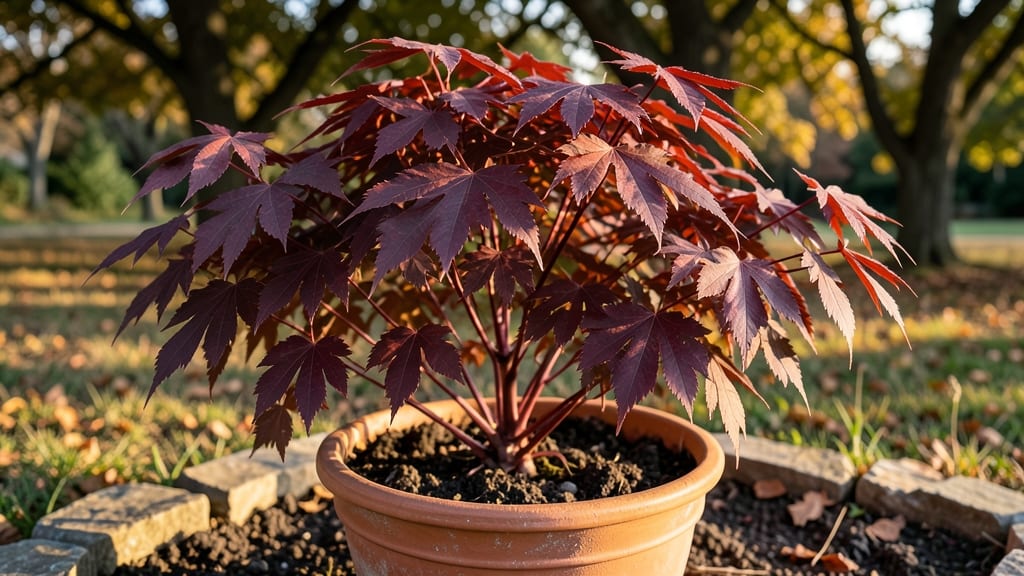
That dark red leaf plant identification with frilled edges isn’t just striking—it’s a dead giveaway for certain plants. 🌿 I’ve spent years tracking down these burgundy beauties, and the first step is noticing whether those leaves are smooth-edged like Acer palmatum 'Bloodgood' or ruffled like Physocarpus opulifolius 'Little Devil.'
The key difference? Bloodgood’s leaves stay glossy and maple-like, while Little Devil’s have that textured, almost crinkled look that catches light differently.
Most of these plants thrive in zones 5-9, but their care needs vary wildly—some, like Coleus, bolt in winter and need to be treated as annuals, while others, like Cercis canadensis 'Forest Pansy,' are hardy perennials that reward patience with spring blooms.
The rusty undersides of Rhododendron leaves or the velvety sheen of Heuchera foliage give extra clues, but sunlight exposure changes everything: too much sun? Those deep reds fade to dull brown.
Once you’ve narrowed it down, the real fun begins—pairing them with silver foliage for contrast or using them as focal points in shade gardens. My Bloodgood maple, for example, turns the yard into a fall bonfire when backlit by morning sun.
The trick is matching their moisture needs: most prefer consistently damp but not soggy soil, though Coleus will forgive you more than a drought-loving Cotinus.
Still unsure? Snap a photo of the leaf’s underside and compare it to your top suspects—those veins and midrib patterns are often the final clue. And if you’re in a hurry, check the leaf’s texture: smooth and leathery (like Ilex varieties) or fuzzy and soft (like Hydrangea paniculata 'Limelight').
The right plant will transform your garden into a living painting.
Root Causes Behind Leaf Discoloration
When your prized plants develop those striking dark red or rusty leaves, it’s often a sign of stress—but not always a bad one! These vibrant hues can stem from natural processes, environmental shifts, or even nutrient imbalances.
Understanding the why behind these color changes helps you decide whether to intervene or simply admire nature’s artistry. Below, we break down the most common culprits, complete with science-backed explanations and actionable insights.
Some plants are simply hardwired to sport deep red or burgundy foliage as part of their life cycle. This is especially true for species like Coleus, Begonias, or certain varieties of Rubus (raspberry).
- Anthocyanin production: These pigments form in response to sunlight exposure, acting as a natural sunscreen for leaves. Think of it like a plant’s built-in SPF—bright red hues help protect delicate cells from UV damage.
- Seasonal shifts: In cooler weather, many tropical plants (e.g., Caladium) ramp up anthocyanin production to conserve energy. The redder the leaf, the more efficient the photosynthesis in low light.
- Juvenile vs. mature leaves: Young leaves often start red before transitioning to green. If your plant’s new growth is the only part showing this color, it’s likely just following its genetic blueprint.
💡 Pro Tip: If the rest of the plant is healthy and growing normally, no action is needed. These colors are a sign of vigor, not distress!
Too much or too little water can trigger a stress response that manifests as dark red or crimson leaves. Plants like Pothos, Philodendrons, or Snake Plants are particularly sensitive to hydration extremes.
- Overwatering: Excess moisture cuts off oxygen to roots, leading to hypoxia (oxygen deprivation). The plant produces anthocyanins as a protective antioxidant to shield cells from damage.
- Underwatering: When roots dry out, the plant prioritizes water conservation by reducing leaf surface area—sometimes through necrosis (dead tissue) that turns red or brown.
- Salt buildup: Tap water minerals (like chlorine or fluoride) accumulate in soil over time, creating a hypertonic environment that stresses roots. Reddened leaves signal the plant is struggling to absorb nutrients.
🔥 Fix It:
- Check soil moisture by sticking your finger 1–2 inches deep. If damp, hold off on watering.
- Use distilled or rainwater to flush out salts. Repot if soil is compacted.
- Ensure pots have drainage holes and use well-draining soil mixes.
Light is the primary driver of chlorophyll production—and when it’s too intense or too weak, plants react with dramatic color shifts. Direct sunlight can scorch leaves, while shade deprivation triggers reddening as a survival tactic.
- Sunburn: High UV exposure breaks down chlorophyll, revealing carotenoids (yellow/orange) and anthocyanins (red/purple) underneath. Variegated plants (e.g., Croton) are especially vulnerable.
- Shade stress: Low light reduces photosynthesis, causing the plant to reallocate nutrients to essential leaves. Older leaves may turn red as the plant “sacrifices” them to sustain new growth.
- Heat stress: Temperatures above 90°F (32°C) can cause protein denaturation in leaves, leading to red or brown patches. Succulents and cacti are prone to this.
🌡️ Adjust Light Conditions:
- Move plants gradually to avoid shock (e.g., 1–2 hours more light per day).
- Use sheer curtains to filter harsh afternoon sun.
- For indoor plants, supplement with grow lights (12–14 hours/day) if natural light is insufficient.
Plants “speak” through their leaves, and nutrient imbalances often show up as red or purple hues. While some deficiencies cause yellowing (chlorosis), others trigger anthocyanin production as a distress signal.
| Nutrient Issue | Leaf Symptoms | Why It Happens | Solution |
|---|---|---|---|
| Phosphorus (P) Deficiency | Dark red/purple lower leaves, stunted growth | Phosphorus is critical for energy transfer (ATP). Without it, the plant can’t sustain metabolic functions, leading to pigment changes. | Apply a balanced fertilizer (10-10-10) or bone meal. Test soil pH—low pH (<5.5) locks out phosphorus. |
| Potassium (K) Deficiency | Reddish-brown leaf edges, weak stems | Potassium regulates water and enzyme activity. Deficiency disrupts cell membrane stability, causing marginal necrosis. | Use potassium sulfate or banana peel tea. Avoid over-fertilizing with nitrogen, which competes with K uptake. |
| Magnesium (Mg) Deficiency | Interveinal red/purple between veins, yellowing veins | Magnesium is central to chlorophyll. Without it, leaves can’t produce enough green pigment, revealing other pigments. | Add Epsom salt (1 tbsp/gallon of water) every 4–6 weeks. Avoid overwatering, which leaches Mg. |
| Nitrogen Toxicity | Dark red/purple new growth, slow growth | Excess nitrogen disrupts the plant’s ability to absorb other nutrients, leading to imbalances that trigger anthocyanins. | Flush soil with water to remove excess salts. Switch to a low-nitrogen fertilizer (e.g., 5-5-5). |
✨ Test Before You Guess: Use a soil test kit to confirm deficiencies. Over-fertilizing can be as harmful as under-fertilizing!
While less common, insect infestations or fungal/bacterial infections can cause reddening as a secondary symptom. The primary issue (e.g., sap-sucking pests or root rot) weakens the plant, forcing it to redirect resources.
- Spider Mites or Aphids: These pests pierce leaves to feed on sap, disrupting nutrient flow. The plant’s stress response includes producing anthocyanins to repair damaged cells.
- Root
Revive Your Plant’s Vibrant Health
Dark red or rusty leaves can signal stress, but the good news is that most issues are fixable with the right care. Below, we’ve mapped common causes to practical solutions—plus prevention tips to keep your plant thriving. Let’s get your foliage back to its bold, healthy best!
Signs: Yellowing edges, soggy soil, or leaves turning dark red as roots suffocate.
How to Fix It: 🔥 Step 1: Check the Soil Use your finger to test moisture—if the top 1–2 inches feel damp, hold off on watering. If the soil is waterlogged, your plant may be drowning.
🍳 Step 2: Repot for Better Drainage If your pot lacks drainage holes, transfer your plant to a container with them. Add a layer of perlite or gravel at the bottom to improve airflow.
👨🍳 Step 3: Adjust Watering Habits Water only when the topsoil is completely dry. Stick your finger in—if it’s dry up to your first knuckle, it’s time to water. Less is more!
🥘 Step 4: Trim Damaged Leaves Snip off any leaves with dark red or mushy spots with sterilized scissors to prevent rot from spreading.
⏰ Prevention Tip: 💡 Use a moisture meter to avoid guesswork. Most tropical plants prefer moderate moisture, while succulents need dry spells.
Signs: Leaves scorch (turn crispy or dark red) or droop in direct sunlight.
How to Fix It: 🔥 Step 1: Move to Indirect Light If your plant is near a sunny window, shift it a few feet back or to an east-facing spot. South or west windows can be too harsh.
🍳 Step 2: Provide Light Filtering Use a sheer curtain to diffuse bright light. Alternatively, place the plant under a light-colored umbrella for partial shade.
👨🍳 Step 3: Increase Humidity Heat stress often goes hand-in-hand with dry air. Place a pebble tray with water nearby or mist leaves lightly in the morning.
🥘 Step 4: Acclimate Gradually If moving outdoors, harden off your plant by exposing it to sunlight for 10–15 minutes daily, increasing time over a week.
⏰ Prevention Tip: 🌡️ Monitor leaf temperature—if leaves feel warm to the touch, it’s a sign of overheating. Rotate the pot occasionally for even growth.
Signs: Pale or dark red leaves, stunted growth, or yellowing between veins.
How to Fix It: 🔥 Step 1: Flush the Soil If you’ve over-fertilized, leach excess salts by watering thoroughly for 10–15 minutes until water runs clear from the drainage hole.
🍳 Step 2: Test Soil pH Use a soil test kit—most plants thrive in slightly acidic soil (6.0–7.0). Adjust with lime (to raise pH) or sulfur (to lower pH) if needed.
👨🍳 Step 3: Feed the Right Way Switch to a balanced, water-soluble fertilizer (like 10-10-10) and apply every 4–6 weeks during growing season. Dilute to half-strength if your plant is sensitive.
🥘 Step 4: Boost Iron or Magnesium For yellowing between veins (a classic iron deficiency), use an iron chelate supplement or Epsom salt (1 tbsp per gallon of water) for magnesium.
⏰ Prevention Tip: ✨ Fertilize in spring/summer only—plants rest in winter and don’t need extra nutrients. Less is better!
Signs: Sticky residue, tiny bugs, or dark red spots with webbing.
How to Fix It: 🔥 Step 1: Isolate the Plant Move it away from others to prevent spreading. Check the undersides of leaves and stems for pests like spider mites, aphids, or scale.
🍳 Step 2: Wipe Down Leaves Use a soapy water solution (1 tsp mild dish soap per quart of water) and a soft cloth to remove pests. Rinse thoroughly afterward.
👨🍳 Step 3: Apply Natural Remedies
- Neem oil spray (1 tsp neem oil + 1 tsp soap per quart of water) – spray every 5–7 days until pests vanish.
- Insecticidal soap for severe infestations.
🥘 Step 4: Prune Infected Areas Cut off heavily damaged leaves and dispose of them in a sealed bag. Sterilize pruners with rubbing alcohol between cuts.
⏰ Prevention Tip: 🎯 Inspect new plants before bringing them home. Quarantine them for 2 weeks to catch hidden pests early.
Final Pro Tip: 🔥 Keep a plant journal! Track watering, light changes, and fertilizer dates to spot patterns. A little consistency goes a long way in preventing dark red leaves.
With these fixes, your plant should bounce back in 2–4 weeks. Stay patient, and soon you’ll be admiring those bold, healthy leaves again! 🌿✨
Frequently asked questions
How can I tell if my plant's dark red leaves are natural or a sign of stress?
Check the plant's overall health first. If the leaves are glossy, firm, and the plant is growing well, those deep red hues are likely natural—especially in species like Acer palmatum 'Bloodgood' or Coleus. However, if the leaves feel crispy, have brown edges, or the plant is stunted, it's likely stress from over/underwatering, light issues, or nutrient deficiencies.
Are all dark red-leaf plants shade-tolerant?
Not at all! While many—like Heuchera or Cercis canadensis 'Forest Pansy'—thrive in partial shade, others like Physocarpus opulifolius 'Little Devil' need full sun to maintain their vibrant color. Always check your specific plant's care requirements—some will fade to dull green in too much shade.
Why do some red-leaf plants lose their color in winter?
Many tropical or subtropical plants (like Coleus) produce anthocyanins in cooler temps as a survival mechanism, but they're often annuals that won't survive winter anyway. Hardy perennials like Japanese maples may also lose their deep red tones in winter but will return stronger in spring.
Can I propagate plants with dark red leaves?
Many propagate easily through stem cuttings (like Coleus) or division (like Heuchera). Just use sharp, sterilized tools and root in moist perlite or water. The new growth will often inherit those stunning red hues—just give them the right light conditions to maintain them.
What's the best way to photograph my plant for identification?
Capture both the top and bottom of leaves (undersides often show key details), include a reference object (like a coin) for scale, and photograph in natural light. Focus on leaf shape, vein patterns, and any unique textures—these details help experts distinguish between similar-looking species like Cotinus vs. Physocarpus.