
Pests and Diseases
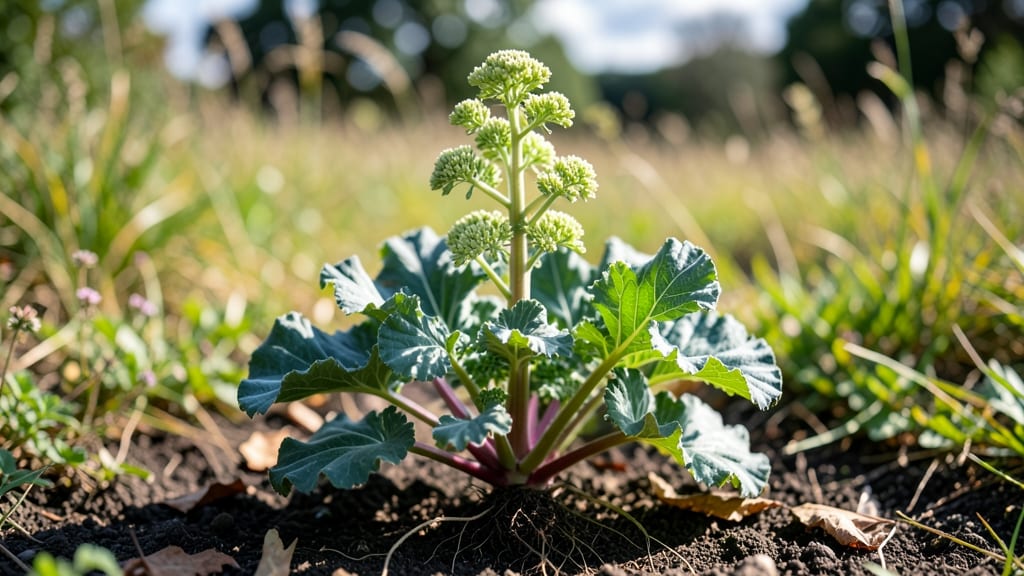
Fungal blight spots on curly leaf dock can turn your prized ornamental into a sad, spotted mess—unless you act fast. 🌿 The copper spray cure works better than I expected, stopping rust disease and preventing those ugly brown patches from spreading across your garden beds.
Most gardeners reach for fungicides too late, but copper spray is different—it prevents spores from taking hold in the first place. You’ll need a ready-to-use copper fungicide (like copper sulfate or copper hydroxide), a spray bottle, and a calm, overcast day to apply it.
The key is timing: spray when you first spot those tiny orange pustules or dark blotches, and repeat every 7-14 days until new growth appears healthy.
Within two weeks, you’ll see fresh green leaves pushing through, and the old blighted ones will yellow and drop—naturally, no harsh chemicals needed. The plants bounce back stronger, and the copper even deters aphids that love to hitch a ride on weak foliage.
It’s a one-two punch for rust disease and pests.
Works for curly leaf dock, ornamental kale, and other brassicas, but avoid spraying when rain is forecasted. If the problem persists after three treatments, your soil might need a nutrient boost—rust thrives when plants are stressed. That’s when a professional can help diagnose deeper issues.
📚 In This Guide
- What you need
- Instructions
- Tips and common mistakes
- Wrapping up and next steps
What you need
- ● Copper fungicide: Choose a liquid copper fungicide (e.g., copper sulfate pentahydrate or copper hydroxide) labeled safe for edible plants. 1 tablespoon per gallon of water is a standard ratio.
- ● Water: 1 gallon (3.8 liters) of clean, room-temperature water.
- ● Spray bottle or garden sprayer: Small-scale: A 1-quart (0.95L) handheld spray bottle for targeted treatment.
- ● Large-scale: A 2-3 gallon pump sprayer for broader coverage.
- ● Protective gear: Nitrile gloves (copper can irritate skin!)
- ● Long sleeves and pants (to avoid contact with spray).
- ● Safety goggles (if working with concentrated copper).
- ● Measuring spoon or scale: For precise copper dosage.
- ● Dish soap: ½ teaspoon per gallon to help the spray stick to leaves (non-toxic, plant-safe varieties only!).
- ● Baking soda: 1 teaspoon per gallon for added antifungal properties (mix gently to avoid clumping).
- ● Hose-end sprayer: For large gardens—attach directly to your water source for convenience.
- ● Label or marker: To tag your spray bottle with the mix date (copper solutions degrade over time).
Step-by-step guide to treating curly leaf dock with copper spray
Here’s how I eliminate fungal blight spots—naturally and effectively—using copper spray.
💧 Step 1: Choose the Right Copper Fungicide
Start with a copper-based fungicide labeled for organic use, like copper sulfate or copper hydroxide. I prefer copper hydroxide because it’s less toxic to plants and soil microbes once fully dissolved. Avoid homemade solutions—store-bought formulas ensure proper concentration and safety. Check the label for disease coverage—it should list fungal blights like leaf spot, rust, or powdery mildew.
Measure 2 tablespoons of fungicide per gallon of water for a standard treatment. If your dock plants are severely infected, you can double the concentration, but never exceed the manufacturer’s maximum rate. Mix in a clean spray bottle or pump sprayer—plastic containers prevent metal contamination that could degrade the copper.
✂️ Step 2: Prune and Clean Infected Foliage
Before spraying, remove all visibly infected leaves—they harbor spores that will reinfect healthy growth. Use sterilized pruners (wipe with rubbing alcohol between cuts) to avoid spreading disease. Toss pruned leaves in the trash, not compost, since fungal spores can survive decomposition. Focus on yellowing, spotted, or discolored leaves, even if only a small section is affected.
Next, clean the plant’s surroundings. Rake up fallen leaves from beneath the dock and dispose of them. Copper spray won’t stick to debris, so thorough cleanup ensures maximum coverage. If your dock grows in a garden bed, trim back neighboring plants to improve airflow—fungi thrive in damp, crowded conditions.
🌿 Step 3: Apply Copper Spray at the Right Time
Spray early in the morning when humidity is low and temperatures are between 50–85°F. Avoid spraying if rain is forecast within 24 hours—copper washes off, reducing effectiveness. Shake the sprayer well before use, then apply until leaves glisten on both sides. Focus on the undersides of leaves, where fungal spores often hide. Use a fine mist to avoid runoff, which wastes product and may harm soil microbes.
Reapply every 7–10 days or after heavy rain. Consistency is key—fungal blights spread quickly, and copper acts as a preventative rather than a cure. If new spots appear, increase applications to every 5–7 days until the plant shows new, healthy growth. Always wear gloves and long sleeves—copper can irritate skin, especially when wet.
☀️ Step 4: Optimize Growing Conditions to Prevent Recurrence
Fungal blights love excess moisture and poor airflow. After treatment, space dock plants 12–18 inches apart to improve circulation. If growing in containers, ensure pots have drainage holes and avoid overwatering—water only when the top inch of soil feels dry. Early morning watering gives leaves time to dry before evening, reducing humidity around foliage.
Mulch with 2–3 inches of straw or shredded leaves to retain soil moisture without smothering the plant. Avoid organic mulches like wood chips if they’re prone to compacting or retaining too much moisture. Finally, fertilize lightly with a balanced organic fertilizer (like 5-5-5) to strengthen the plant’s natural defenses. Healthy dock resists fungal attacks far better than stressed plants.
⏰ Step 5: Monitor and Retreat as Needed
Check plants weekly for new spots—catching blight early makes treatment easier. If you see dark, spreading lesions or white powdery patches, increase spray frequency to every 5 days and consider adding a baking soda spray (1 teaspoon baking soda + 1 quart water + a drop of dish soap) as a supplementary treatment. Rotate copper with other organic fungicides like neem oil to prevent resistance.
By 4–6 weeks, your dock should show significant improvement—new leaves will emerge free of spots, and existing leaves will gradually clear. If blight persists, the issue may be overwatering, poor drainage, or a different pathogen. In that case, consult a local extension service for soil testing or additional diagnostics. With patience and consistency, copper spray will restore your dock’s vibrant, healthy appearance.
Tips & tricks for perfect copper spray application on curly leaf dock
To get the most out of your copper spray treatment, these insider tricks will help you avoid common mistakes and maximize effectiveness.
Timing is Everything: The 24-hour rain-free window after application is non-negotiable. Copper needs time to bind to the leaf surfaces, and rain will wash it away before it can work. I recommend checking your local weather forecast right after spraying—if heavy rain is predicted within 24 hours, either reschedule your treatment or apply a second coat immediately after the rain stops. This timing ensures the copper has a full chance to establish its protective barrier against fungal spores.
Equipment Matters: Plastic sprayers are essential because metal containers can react with copper compounds, reducing their effectiveness. I've seen gardeners use metal sprayers and wonder why their treatments weren't working—it's not just about the sprayer material, but also about maintaining the copper's chemical integrity. For best results, use a dedicated plastic sprayer just for your copper treatments, and always rinse it thoroughly after each use to prevent residue buildup.
Targeted Application: Focus your efforts on the undersides of leaves where fungal spores often hide and thrive. I use a gentle back-and-forth motion with the sprayer to ensure complete coverage without damaging delicate leaf tissue. Pay extra attention to new growth areas where infections often start. The goal is to create a protective film on all leaf surfaces, not just the top sides that are more visible. This thorough approach prevents spores from finding unprotected areas to colonize.
Safety First: Copper can be irritating to skin, especially when wet, so always wear gloves and long sleeves during application. I've learned this the hard way—after a few applications without protection, I developed a mild skin reaction that took days to heal. Consider wearing a mask too, especially if you're applying treatments in windy conditions. The fine copper particles can become airborne and irritate your respiratory system. Safety gear isn't just about protecting your plants—it's about protecting yourself too.
Pro Tips for Curly Leaf Dock
- To get the most out of your copper spray treatment, these insider tricks will help you avoid common mistakes and maximize effectiveness.
- Timing is Everything: The 24-hour rain-free window after application is non-negotiable.
- Equipment Matters: Plastic sprayers are essential because metal containers can react with copper compounds, reducing their effectiveness.
Frequently asked questions
Got questions about managing fungal blight on curly leaf dock with copper spray? You're not alone!
Here are some of the most common concerns—and straightforward answers to help you tackle the issue like a pro.
What causes fungal blight spots on curly leaf dock?
Fungal blight spots on curly leaf dock are typically caused by Cercospora or Alternaria fungi, thriving in warm, humid conditions. Overhead watering, poor air circulation, or crowded plants create the perfect breeding ground. If you’ve noticed dark, irregular spots with yellow halos, fungi are likely the culprit.
When is the best time to apply copper spray?
Apply copper fungicide preventively at the first sign of spots (early morning or late evening for best results) or curatively when you spot symptoms. For curly leaf dock, aim for treatments every 7–10 days during humid seasons. Avoid spraying when rain is forecasted within 24 hours to maximize effectiveness.
Is copper spray safe for curly leaf dock, or will it harm the plant?
When used correctly, copper spray is safe for curly leaf dock and won’t damage the plant if applied as directed. However, overuse can lead to phytotoxicity (leaf burn) or soil buildup. Stick to the recommended dosage (usually 1–2 tbsp per gallon of water) and alternate with other organic fungicides if needed.
What are some natural alternatives to copper spray for treating blight?
If you prefer organic options, try these copper-free alternatives:
- Neem oil: Mix 1 tbsp neem oil + 1 tsp mild soap in 1 quart of water. Spray on affected leaves.
: 1 tbsp baking soda + 1 quart water + a few drops of soap (test on a small area first!). - Garlic or chili pepper spray: Blend 2 cloves of garlic or 1 chili pepper with water, strain, and spray.
Why do the spots keep coming back after treatment?
Blight spots may persist if:
- You’re not treating early enough—fungi spread fast!
- Humidity isn’t controlled—improve airflow with pruning or spacing.
- Rain washes off the spray—reapply after heavy rain.
- The fungicide wasn’t evenly distributed—use a fine mist and cover undersides of leaves.
Can I still harvest or use curly leaf dock leaves after treating with copper?
Yes, but with caution! Copper is low-toxicity when used as directed, but avoid harvesting leaves for 24–48 hours after spraying to allow residue to settle. If using the leaves for culinary purposes, opt for organic alternatives like neem or baking soda to minimize any potential concerns.
Wrapping up and next steps
Curly leaf dock may seem stubborn, but with copper spray, you’ve got a natural, effective weapon against fungal blight spots! 🌱✨ This method is eco-friendly, budget-friendly, and easy to apply—no harsh chemicals needed. Remember to act fast, stay consistent, and prioritize prevention for long-term garden health.
Ready to tackle those spots? Grab your copper spray and get to work! For extra peace of mind, consider testing a small patch first or pairing this with other organic remedies. Your garden’s resilience starts with one proactive step—you’ve got this! 🌿💪