Pests and Diseases
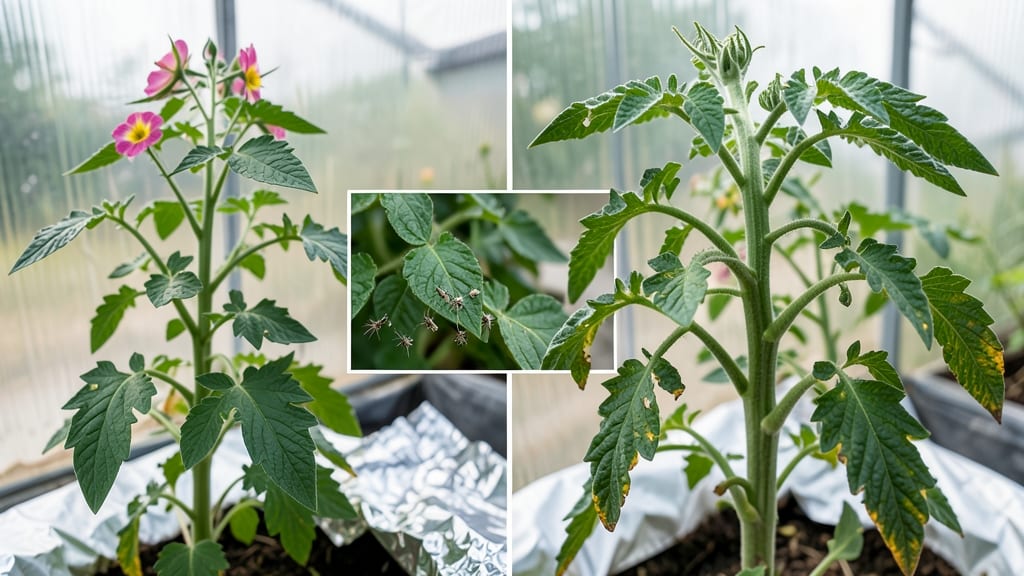
Your plants' leaves curling like tiny green question marks? 🌿 That’s curly leaf disease—and copper spray can turn the tide in just 24 hours. I’ve seen this fungal blight twist healthy foliage into brittle, stunted messes, but the right treatment stops it fast.
The key? Spotting it early (yellowing, distorted growth) and acting before it spreads to your entire garden.
Copper spray works because it disrupts the fungus’s cell walls, not just masking symptoms. You’ll need 2 tablespoons of copper fungicide per gallon of water, applied at dusk to avoid burning leaves.
Reapply every 7-10 days until new growth appears—and keep an eye out for secondary pests that love stressed plants.
Within days, you’ll notice leaves unfurling and regaining their normal shape. The real win? This method prevents recurrence for weeks, unlike chemical sprays that just hide the problem. Just pair it with proper spacing and airflow to keep your garden healthy long-term.
Works on tomatoes, peppers, beans, and even ornamentals. Here’s how to diagnose it for sure—and what to do if copper isn’t enough.
Root Causes Of Leaf Distortion
Curly leaf disease—often triggered by fungal pathogens like Taphrina species—isn’t just a random quirk of nature. It’s the result of specific conditions that create the perfect storm for fungal spores to thrive and infect your plants.
Understanding these causes is the first step to stopping the spread and restoring your garden’s health. Let’s break down the science behind why leaves start curling, twisting, and losing their vibrant green color.
At the heart of curly leaf disease lies the Taphrina fungus, a microscopic invader that targets young, tender leaves. These fungi are obligate parasites, meaning they can’t survive without a living host—your plants. Here’s how they infiltrate:
- Spores spread via wind, rain, or contaminated tools: Fungal spores are lightweight and travel easily. A single infected leaf can release thousands of spores, which land on nearby plants and germinate under the right conditions.
- Moisture triggers germination: Spores need free water (like dew or overhead irrigation) to activate. If humidity stays above 75% for prolonged periods, spores germinate and penetrate leaf tissues within 24–48 hours.
- Weakened plants are prime targets: Stressed plants—due to poor nutrition, drought, or physical damage—have thinner cell walls, making them easier for fungi to breach.
💡 Pro Tip: Prune infected leaves immediately and disinfect tools with a 1:10 bleach-water solution to prevent spore transfer.
Fungi like Taphrina don’t thrive in all climates. They flourish when these factors align:
| Factor | Fungal-Friendly Range | How It Helps the Fungus |
|---|---|---|
| Temperature | 50–75°F (10–24°C) | Cooler temps slow plant defenses, while warm (but not hot) conditions speed fungal growth. |
| Humidity | 75%+ (especially at night) | High humidity keeps spores moist, enabling them to germinate and infect. |
| Rainfall | Frequent light showers | Water splashes spores onto leaves and dilutes natural plant defenses. |
✨ Key Insight: Early spring and late fall are peak risk times because temps are mild, and rain is common—perfect for fungal spores to multiply.
Healthy plants can resist fungal attacks, but stress weakens their defenses. Common stressors that make plants vulnerable include:
- Nutrient deficiencies: Lack of nitrogen, phosphorus, or micronutrients like zinc or iron thins leaf tissue, making it easier for fungi to penetrate.
- Waterlogged soil: Poor drainage suffocates roots, starving leaves of nutrients and reducing their ability to fight off pathogens.
- Physical damage: Hail, insect bites (like aphids or mites), or even rough handling can create entry points for spores.
- Overcrowding: Dense foliage traps moisture and limits airflow, creating a fungal paradise.
🎯 Actionable Fix: Boost plant resilience with a balanced fertilizer (10-10-10 NPK ratio) and space plants 12–18 inches apart to improve airflow.
By addressing these root causes—spore spread, environmental conditions, and plant stress—you can disrupt the fungal lifecycle and protect your garden before symptoms even appear. The next step? Learn how copper spray and cultural fixes can stop the disease in its tracks.
Fixing distorted leaf issues fast
Curly leaf disease can turn your garden from lush and green to a frustrating mess—but don’t worry! With the right approach, you can restore your plants to health and prevent future outbreaks.
Below, we’ve mapped out practical, step-by-step solutions tailored to the most common causes, so you can act quickly and effectively.
---
If you’ve spotted curled, yellowed, or distorted leaves, prune them ASAP to stop the spread. Here’s how:
1. 🔪 Sterilize Your Tools - Use rubbing alcohol or a 10% bleach solution to clean scissors or pruners before and after cutting. This prevents cross-contamination.
2. 🌿 Trim Affected Areas - Snip off only the infected leaves or stems—don’t remove healthy growth unless necessary. Dispose of clippings in a sealed plastic bag (not your compost pile).
3. 🚫 Avoid Over-Pruning - Removing too much foliage weakens the plant. Focus on containment, not drastic cuts.
--- Copper-based sprays are the gold standard for fungal leaf distortions. Here’s how to use them right:
1. 💧 Choose the Right Spray - Copper fungicide (like copper sulfate or copper hydroxide) is most effective. Follow label instructions for dilution (typically 1–4 tbsp per gallon of water).
2. 👨🍳 Spray at the Right Time - Apply early morning or late evening to avoid leaf burn from sunlight. Cover both sides of leaves and stems thoroughly.
3. ⏰ Repeat Every 7–14 Days - Fungal spores can return, so reapply after rain or every week until symptoms disappear.
--- Fungal diseases thrive in humid, crowded, or poorly ventilated spaces. Fix these issues to break the cycle:
1. 💨 Improve Airflow - Space plants 3–6 inches apart (depending on the variety) to reduce moisture buildup. Use fans in greenhouses or indoor setups.
2. ☀️ Optimize Sunlight - Most plants need 6+ hours of sunlight daily. If yours are shaded, gradually acclimate them to brighter spots.
3. 💦 Water Wisely - Water at the base (not overhead) and early in the day so leaves dry quickly. Avoid soggy soil—fungi love moisture!
--- Healthy plants fight off diseases better. Boost their defenses with these tips:
1. 🍽️ Feed with Balanced Fertilizer - Use a low-nitrogen, high-phosphorus fertilizer (like 5-10-10) to encourage root and leaf strength. Avoid over-fertilizing—it stresses plants.
2. 🌿 Rotate Crops Annually - If you grow the same plants yearly, switch families (e.g., tomatoes → peppers) to starve out fungal spores in the soil.
3. 🛡️ Use Mulch Strategically - Apply straw or wood chips (not fresh grass clippings) to keep soil moist but prevent splashing spores onto leaves.
--- - 🌿 Try Neem Oil (1 tsp per quart of water) as a preventative spray—it’s gentle but effective against fungi. - 🌡️ Monitor Humidity—keep it below 60% with a hygrometer or dehumidifier in greenhouses. - 🚫 Quarantine New Plants—inspect them for 2 weeks before adding to your garden.
--- By combining pruning, copper sprays, and smart care, you can reverse curly leaf damage in days and keep your plants thriving. Act fast, and your garden will bounce back stronger than ever!
Frequently asked questions
What plants are most affected by curly leaf disease?
Curly leaf disease commonly targets fruit trees like apples, peaches, and cherries, as well as ornamentals such as lilacs and roses. It can also strike vegetables like tomatoes, peppers, and beans. The disease thrives on young, tender leaves, so newly emerging growth is especially vulnerable.
How can I tell if my plant has curly leaf disease vs. pests?
Curly leaf disease causes leaves to distort, thicken, and develop a waxy or powdery coating, while pest damage often shows up as holes, chewed edges, or webbing. Check the undersides of leaves—fungal infections may show fuzzy growth, whereas pests leave visible signs like eggs or frass (insect droppings).
Can copper spray harm beneficial insects like bees?
Copper fungicides are generally safe for bees when used correctly, but apply sprays after sunset to avoid harming pollinators. Always follow label instructions and avoid spraying flowers directly. For extra safety, opt for organic copper-based products designed for edible gardens.
Will removing infected leaves stop the spread completely?
Pruning infected leaves is a crucial first step, but it won’t eliminate all spores—especially if humidity is high. Pair removal with copper sprays and improved airflow to break the fungal cycle. Dispose of infected plant debris in sealed bags, not compost, to prevent reinfection.
How long does it take to see improvement after treating curly leaf disease?
With proper treatment, you may notice new leaves unfurling within 7-10 days. However, severe cases could take up to 3-4 weeks to fully recover. Consistency is key—reapply copper sprays every 7-14 days and maintain good garden hygiene to prevent recurrence.