
Pests and Diseases
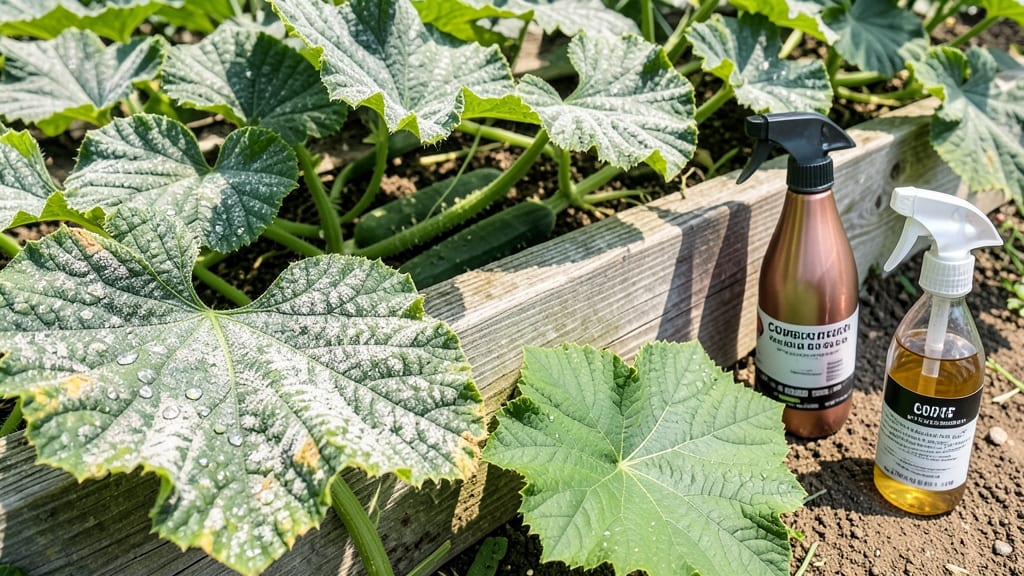
Cucumber leaf disease turns vibrant green into a sad, spotted mess faster than you can say "harvest." 🌱 I've seen entire plants wilt in days—powdery white fuzz, yellow splotches, or black bacterial spots—all signs your cucumbers are fighting for their lives. The good news?
Spotting it early gives you a real shot at saving your plants with simple fixes. Most leaf diseases start with poor airflow or wet foliage. Powdery mildew loves shady spots, downy mildew thrives in humidity, and bacterial spots spread when water splashes leaves.
The key is acting fast—prune infected leaves immediately, space plants for airflow, and water at the base, not overhead. I've saved crops this way even when neighbors gave up. You'll see new growth within a week if you catch it early, and your plants will bounce back stronger.
The secret is consistency: keep the area clean, rotate crops yearly, and use copper sprays as a last resort. Prevention beats treatment every time. Works for home gardens, greenhouses, or even container cucumbers. Here’s how to turn those sad leaves around before it’s too late.
Root Causes Of Leaf Damage
Understanding why cucumber leaves develop disease is the first step to stopping it in its tracks. Most issues stem from a mix of environmental stress, pathogen presence, and poor growing conditions. Let’s break down the key culprits—so you can tackle them head-on.
Fungal infections are the #1 culprit behind cucumber leaf disease, with downy mildew (Pseudoperonospora cubensis) and powdery mildew (Podosphaera xanthii) leading the charge.
These fungi thrive in moist, shaded conditions and spread via: - Spores in the air (wind carries them from infected plants). - Contaminated tools, soil, or water (even old plant debris hides spores for years). - Weakened plant defenses (stressed cucumbers are easier targets).
💡 Pro Tip: Fungal spores can survive winter in soil or mulch—rotate crops yearly to starve them out!
Too much moisture—whether from overhead watering, poor drainage, or soggy soil—turns leaves into fungal all-you-can-eat buffets.
Here’s why: - Water droplets linger on leaves, giving spores a foothold (especially at night). - Root suffocation weakens plants, making them vulnerable to infection. - High humidity (above 75%) speeds up fungal growth like a racecar.
🌡️ Fix It: Water at the base in the morning, and ensure soil has good drainage (sandy loam is ideal).
Fungi love warm, damp conditions—think 60–80°F (15–27°C) with high humidity. If your cucumbers are growing in:
- Greenhouses or shaded areas (trapped heat + moisture = fungal paradise).
- Regions with sudden rain after dry spells (stresses plants, inviting infections).
- Poor airflow (crowded plants can’t dry quickly).
✨ Prevent It: Space plants 12–24 inches apart, use fan circulation in greenhouses, and avoid late-day watering.
Cucumbers need balanced nutrients to fight disease. If they’re starved of nitrogen, potassium, or magnesium, their leaves become weak and susceptible.
Common deficiencies: - Yellowing leaves (nitrogen deficiency) → Slows growth, making plants easy prey. - Brown spots (potassium deficiency) → Weakens cell walls, letting fungi in. - Pale leaves (magnesium deficiency) → Reduces photosynthesis, stressing the plant.
📊 Boost Defenses: Use a balanced fertilizer (10-10-10) or compost tea to strengthen plants before disease strikes.
Insects like aphids, spider mites, and cucumber beetles don’t just eat leaves—they damage plant tissue, creating entry points for fungi.
For example: - Aphids excrete honeydew, which feeds sooty mold (a secondary fungal invader). - Cucumber beetles transmit bacterial wilt, which kills plants fast and leaves them open to fungal takeovers.
🔥 Stop the Cycle: Spray neem oil or introduce ladybugs to control pests before they cause chaos.
Reusing soil, compost, or containers without sterilizing them can introduce dormant fungal spores. Even "fresh" soil may harbor:
- Last year’s fungal spores (especially if cucumbers or melons grew there before).
- Weed seeds that compete with cucumbers for nutrients, stressing them.
🔪 Sanitize Smart: Solarize soil in summer (cover with clear plastic for 4+ weeks) or use hydrogen peroxide (3%) to kill pathogens in potting mix.
Cucumbers hate unpredictability. Rapid changes like:
- Cold snaps (slows growth, weakens roots).
- Heavy rain after drought (sudden moisture shocks the plant).
- Frost damage (kills tissue, inviting rot and fungi).
🎯 Prepare Ahead: Choose disease-resistant varieties (like ‘Straight Eight’ or ‘Marketmore 76’) and use row covers in early spring to shield plants.
Fixing Fungal Foes on Cucumber Leaves
Now that you’ve identified the culprit behind your cucumber’s leaf woes—whether it’s powdery mildew, downy mildew, bacterial leaf spot, or anthracnose—it’s time to take action. The good news?
Most fungal and bacterial issues on cucumber leaves can be managed with a mix of quick fixes, preventive care, and long-term strategies. Below, we’ll break down the best solutions for each common cause, plus pro tips to keep your plants thriving.
Powdery mildew thrives in warm, humid conditions and looks like a white, powdery coating on leaves. Act fast—this fungus spreads quickly!
How to Fix It:
- 🔥 Remove Infected Leaves Immediately Snip off heavily infected leaves with clean pruners and dispose of them in the trash (not compost). This stops the fungus from spreading to other parts of the plant.
- 🍳 Spray with Baking Soda Solution Mix 1 teaspoon of baking soda, 1 teaspoon of vegetable oil, and 1 quart of water in a spray bottle.
Shake well and apply to both sides of leaves in the early morning or evening (avoid direct sunlight, which can burn foliage). Reapply every 5–7 days until the mildew disappears.
- 🌿 Use Neem Oil or Potassium Soap Both are natural fungicides that disrupt fungal spores. Apply neem oil (1–2 tablespoons per gallon of water) or potassium soap spray (follow label instructions) every 7–10 days for prevention.
- 🌡️ Improve Air Circulation Prune overcrowded vines and space plants 12–18 inches apart to reduce humidity near leaves. Use a small fan on low setting near plants if growing indoors.
💡 Prevention Tip: Plant resistant varieties like ‘Straight Eight’ or ‘Lemon Cucumber’ and rotate crops yearly to avoid soil-borne spores.
Downy mildew causes yellow or brown spots on the upper leaf surface and a fuzzy, grayish growth on the undersides. It loves wet conditions, so drainage is key!
How to Fix It:
- 🌧️ Water at the Base, Not the Leaves Use drip irrigation or water early in the day so leaves dry quickly. Avoid overhead sprinklers, which encourage fungal growth.
- 🍳 Copper Fungicide Spray Mix 1 tablespoon of copper fungicide (like copper sulfate) with 1 gallon of water and spray every 7–10 days until symptoms fade. Copper disrupts the fungus’s cell walls.
- 🌿 Organic Fix: Milk Spray Yes, milk! Mix 1 part milk with 9 parts water and spray on leaves. The lactic acid in milk inhibits fungal growth. Reapply every 5–7 days.
- 🌱 Remove and Destroy Infected Plants If downy mildew spreads to more than 20% of the plant, it’s often best to pull and destroy the plant to prevent contamination.
💡 Prevention Tip: Interplant cucumbers with marigolds or nasturtiums—these flowers repel pests and improve air flow.
Bacterial leaf spot appears as small, water-soaked spots that turn brown or black with yellow borders. It thrives in wet, warm weather and can spread via splashing water or tools.
How to Fix It:
- 🔪 Prune Infected Leaves Aggressively Remove all infected leaves and sterilize pruners with rubbing alcohol between cuts to prevent spreading bacteria.
- 🌿 Copper or Hydrogen Peroxide Spray Use a 1% hydrogen peroxide solution (1 part 3% H₂O₂ to 29 parts water) or copper fungicide every 5–7 days. These kill bacteria on contact.
- 🚫 Avoid Overhead Watering Switch to soaker hoses or drip irrigation to keep leaves dry. Water only at soil level.
- 🌱 Crop Rotation & Soil Health Bacterial leaf spot can survive in soil for years. Plant cucumbers in a different spot next season and add compost to boost plant resilience.
💡 Prevention Tip: Use seeded cucumber varieties (not grafts) from reputable suppliers to avoid introducing bacteria from infected plants.
Anthracnose causes dark, sunken lesions on leaves and fruit, often in hot, humid climates. It can survive in soil and plant debris for years.
How to Fix It:
- 🌿 Fungicide Rotation Alternate between copper fungicide, chlorothalonil, or neem oil every 7–10 days. Follow label instructions for safety.
- 🌱 Remove All Debris Clear away old plant debris, mulch, and weeds from around cucumber plants. Sterilize tools and containers to prevent reinfection.
- 🌡️ Adjust Watering Practices Water deeply but infrequently (early morning) to avoid prolonged leaf wetness. Use mulch to keep soil moist without wetting foliage.
- 🌱 Plant Resistant Varieties Choose anthracnose-resistant cucumbers like ‘Arkansas Little Leaf’ or ‘Southern Vining’.
💡 Prevention Tip: Solarize soil in late summer by covering it with clear plastic for 4–6 weeks to kill fungal spores before planting.
No matter the cause, these universal strategies will help keep your cucumbers healthy:
- 🌱 Start with Healthy Seeds/Seedlings Buy from trusted suppliers and avoid planting from infected plants.
- 🌿 Monitor & Act Early Check leaves weekly for signs of disease. Catch it early, and treatment is easier!
- 🌡️ Space Plants Properly Overcrowding = poor airflow = fungal paradise. Aim for 12–18 inches between vines.
- 🌱 Rotate Crops Avoid planting cucumbers (or other cucurbits like squash) in the same spot for 2–3 years.
- 🌿 Use Row Covers Floating row covers (lightweight fabric) block spores while allowing sunlight and water through.
- 🌱 Boost Plant Immunity Feed plants with compost tea or fish emulsion for extra nutrients to fight off infections.
Final Thought: 🎯 Most cucumber leaf diseases are manageable with quick action and smart prevention. Stay vigilant, adjust your care routine, and your plants will bounce back stronger! If all else fails, companion planting with herbs like basil or thyme can deter pests and improve plant health naturally.
Frequently asked questions
How can I tell if my cucumber plant has a fungal disease vs. bacterial infection?
Fungal diseases like powdery mildew show as white powdery spots or yellow/brown patches with fuzzy growth on leaf undersides. Bacterial spots appear as water-soaked, dark lesions with yellow halos. Fungal issues often spread slowly, while bacteria can cause rapid wilting. Check leaf texture too—fungal leaves feel dry and papery, while bacterial spots may ooze when wet.
Will homemade sprays like milk or baking soda really work against cucumber leaf diseases?
A milk spray (1:9 milk-to-water ratio) works against downy mildew thanks to its lactic acid, while baking soda solution (1 tsp baking soda + 1 tsp oil + 1 quart water) disrupts fungal spores. Both are safe, organic options that should be reapplied every 5-7 days. For bacterial issues, use 1% hydrogen peroxide solution instead—it kills bacteria on contact without harming plants.
My cucumber leaves have spots but no other symptoms—should I still treat them?
Yes! Early treatment prevents diseases from spreading. Even small spots can indicate bacterial leaf spot or early fungal infection. Remove affected leaves immediately, sterilize your pruners with rubbing alcohol, and apply a copper fungicide or neem oil spray. Catching it early gives your plant the best chance to recover without losing yield. Prevention is always easier than cure!
Can I save my cucumber plant if more than half the leaves are infected?
It depends on the disease. For powdery mildew, aggressive pruning and fungicide may still work, but with downy mildew or bacterial wilt, the plant is often beyond saving. If >50% of leaves are infected, focus on preventing spread to nearby plants. Remove the entire plant, sterilize the area, and rotate crops for next season. Start fresh with disease-resistant varieties like 'Straight Eight' or 'Marketmore 76'.
How do I prevent cucumber leaf diseases in my greenhouse?
Greenhouses trap humidity—your #1 enemy! Use exhaust fans to maintain airflow, space plants 18-24 inches apart, and water only at the base in the morning. Install dehumidifiers to keep humidity below 60%, and use reflective mulch to reduce leaf wetness. Start with disease-resistant seedlings and sterilize tools between uses with 70% isopropyl alcohol.