
Vegetables
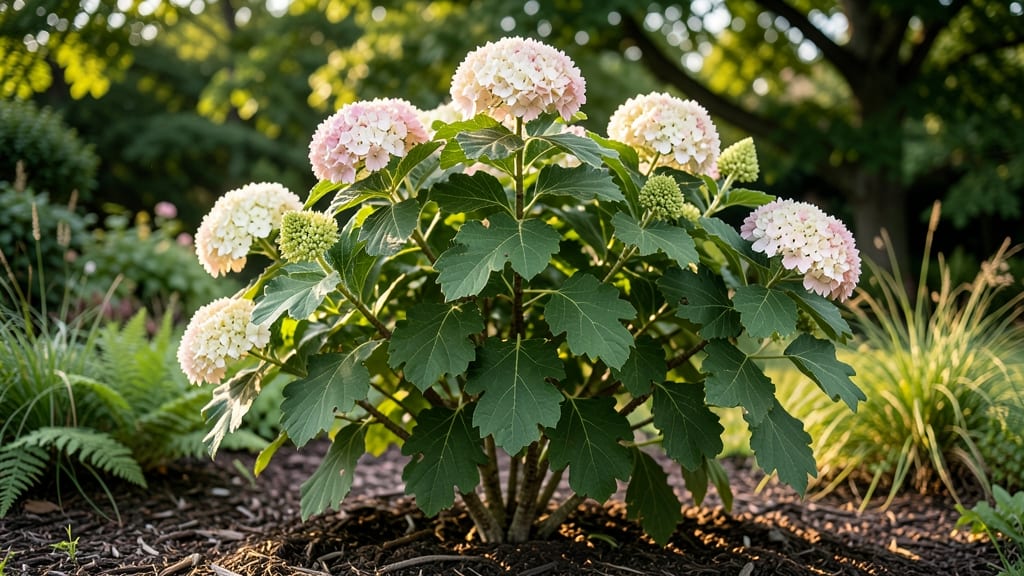
Sun-loving oakleaf hydrangeas transform gardens with their year-round foliage and dramatic blooms—here’s how to pick the perfect variety for your space. 🌿 I’ve grown several types, and each brings something unique: from the bold 'Annabelle' with its white lace caps to the deep burgundy 'Alice' that glows in winter.
The key difference? Some thrive in full sun while others prefer partial shade, and their foliage colors change with the seasons.
'Snow Queen' stands out with its pure white blooms that age to soft pink, perfect for cottage gardens, while 'Pee Wee' stays compact—ideal for small spaces or container growing.
All varieties share that signature oak-shaped leaves, but their growth habits vary: some reach 6 feet tall, while others stay under 3 feet. That means you can mix them for layered interest or plant them alone as statement shrubs.
What you’ll love most is how they perform: drought-tolerant once established, low-maintenance, and deer-resistant. Their foliage shifts from green to deep red or purple in fall, giving you seasonal drama without extra work. The only trade-off? They need well-draining soil and protection from harsh winter winds in colder zones.
Whether you’re filling a shady corner or brightening a sunny border, these varieties adapt beautifully. Start with 'Annabelle' for classic charm or 'Alice' for bold winter color—both deliver four-season interest with minimal fuss. Here’s how to match each type to your garden’s light and style.
📚 In This Guide
- What you need
- Instructions
- Tips and common mistakes
- Wrapping up and next steps
What you need
- ● Oakleaf hydrangea plants: 1–3 nursery-grown Hydrangea quercifolia plants (choose sun-tolerant varieties like ‘Snow Queen’ or ‘Pee Wee’)
- ● OR seeds (if starting from scratch—germination is slow!)
- ● Soil amendments: 5–10 lbs. organic compost or well-rotted manure (per plant)
- ● 1 cup slow-release fertilizer (10-10-10 or hydrangea-specific blend)
- ● Planting tools: 1 garden trowel or spade
- ● 1 pruning shears (for trimming roots or shaping)
- ● 1 garden hose with soaker nozzle (for deep watering)
- ● Mulch: 2–3 inches of pine straw or wood chips (to retain moisture)
- ● 1 planting grid or measuring tape (for spacing—3–6 ft. apart)
- ● 1 pH test kit (oakleaf hydrangeas prefer slightly acidic soil (5.5–6.2))
- ● 1 drip irrigation system (for consistent moisture)
- ● 1 stake or cage (if planting in windy areas)
How to select and care for oakleaf hydrangeas in sunny climates
These stunning shrubs thrive in full sun and deliver breathtaking foliage year-round—here’s how to choose the right variety and keep them flourishing.
🌿 Step 1: Identify the Best Sun-Loving Varieties
Oakleaf hydrangeas (Hydrangea quercifolia) naturally prefer partial shade, but modern cultivars like 'Snow Queen' and 'Pee Wee' tolerate full sun better than traditional types. Look for varieties labeled as "sun-tolerant" or "full-sun adapted" on nursery tags. These hybrids often have thicker leaves and deeper root systems to handle intense sunlight without scorching.
If your climate has hot afternoons, opt for 'Alice' or 'Snowflake'—both handle sun well while retaining their signature oak-shaped leaves. Avoid older varieties like 'Amethyst' unless you can provide afternoon shade during peak summer months. The key is matching the plant’s heat tolerance to your microclimate.
☀️ Step 2: Plant in Well-Draining Soil with Morning Sun
Even sun-loving oakleaf hydrangeas need protection from midday heat, so plant them where they receive morning sun and afternoon shade (or dappled sunlight). Amend heavy clay soil with 2-3 inches of compost and a handful of sand to improve drainage—these plants wilt quickly in soggy roots. Dig a hole twice as wide as the root ball but only as deep.
Spread the roots gently before backfilling, then water deeply to eliminate air pockets. Mulch with 2-3 inches of pine bark to retain moisture and regulate soil temperature. Avoid mulching too close to the stem—keep it 3 inches away to prevent rot. This setup mimics their native woodland edge habitat while adapting to sunnier conditions.
💧 Step 3: Water Deeply and Adjust for Seasonal Needs
Newly planted hydrangeas need 1-2 gallons of water weekly during their first year, delivered slowly at the base to encourage deep root growth. After establishment, reduce to 1 gallon every 10-14 days unless your area experiences dry spells longer than 7 days. Check soil moisture by sticking your finger 2 inches deep—if it feels dry, water again.
In full sun, hydrangeas may need extra water during summer heatwaves (watch for wilting leaves). However, avoid overhead watering, which can scorch leaves or promote fungal diseases. Instead, use a soaker hose or drip irrigation to deliver moisture directly to the roots. This method also keeps foliage dry, reducing powdery mildew risk.
✂️ Step 4: Prune in Late Winter to Encourage New Growth
Prune oakleaf hydrangeas after the last frost but before buds swell (typically February-March in most zones). Remove dead, crossing, or weak stems at the base, then cut back remaining branches by one-third to encourage bushier growth. Never prune into old wood—these plants flower on new wood, so avoid heavy cuts that remove last year’s blooms.
Shape the plant by thinning interior branches to improve airflow, which prevents fungal issues. After pruning, apply a balanced 10-10-10 fertilizer (1 tablespoon per inch of trunk diameter) to support spring regrowth. This timing ensures vibrant foliage and abundant blooms by late spring, even in full sun.
🌿 Step 5: Protect Foliage Through Winter for Year-Round Color
While oakleaf hydrangeas are hardy to USDA Zones 5-9, their stunning foliage benefits from winter protection in colder climates. After the first hard frost, apply a 3-inch layer of mulch around the base (but not against the stem) to insulate roots. In zones below 6, wrap young plants with burlap or use a tree guard to shield tender bark from winter sunburn.
Even in milder zones, prune lightly in early spring to remove any frost-damaged leaves. The result? Lush, deep red or purple foliage that persists through winter, providing year-round interest. This simple step turns your hydrangea into a four-season star, not just a summer highlight.
Tips & tricks for perfect oakleaf hydrangea Selection
Here's what nobody tells you about choosing and nurturing these sun-loving beauties—details that make all the difference between a struggling plant and a showstopper.
Variety Selection: When shopping for sun-tolerant varieties, look beyond the tag descriptions. Ask your nursery about the specific microclimate where their plants were grown—some 'sun-tolerant' cultivars may have been raised in partial shade. The 'Snow Queen' variety, for example, thrives in full sun but develops its signature white blooms most vividly when given a few hours of afternoon shade. For the deepest foliage colors, 'Snowflake' is your best bet—its leaves turn a stunning burgundy in winter, even in full sun conditions.
Soil Preparation: The 2-3 inches of compost and sand recommendation is non-negotiable for clay-heavy soils, but don't stop there. For maximum drainage, consider adding a handful of perlite to the mix. This creates tiny air pockets that prevent waterlogging while still maintaining moisture retention. I've seen oakleaf hydrangeas in heavy clay completely revive after just one season of this soil amendment—it's that transformative. Also, test your soil's pH before planting; these varieties prefer slightly acidic soil (pH 5.0-6.0) for optimal iron uptake, which translates to those vibrant fall colors.
Watering Strategy: The 1-2 gallons weekly for new plants is a great starting point, but timing matters just as much. Water in the early morning hours when temperatures are cooler to minimize evaporation. For established plants, the 1 gallon every 10-14 days guideline works, but adjust based on your soil type—sandy soils will need more frequent watering while clay holds moisture longer. A pro tip: Use a moisture meter to check soil moisture at 2 inches deep—this gives you more accurate readings than the finger test, especially in hot weather.
Winter Protection: That 3-inch mulch layer is essential, but don't forget to fluff it up after heavy rains or snowmelt to maintain proper insulation. For zones below 6, consider adding an extra layer of straw mulch over the burlap wrap—this creates an insulating blanket that can make the difference between winter survival and frost damage. And here's a little-known trick: Wrap young plants with light-colored burlap rather than dark—it reflects more sunlight and prevents winter sunburn on tender bark.
Pro Tips for Oakleaf Hydrangea Types
- Here's what nobody tells you about choosing and nurturing these sun-loving beauties—details that make all the differe...
- Variety Selection: When shopping for sun-tolerant varieties, look beyond the tag descriptions. Ask your nursery about...
- Soil Preparation: The 2-3 inches of compost and sand recommendation is non-negotiable for clay-heavy soils, but don't...
Frequently asked questions
Can oakleaf hydrangeas thrive in full sun?
Yes! While they prefer partial shade, many sun-loving varieties (like 'Snow Queen' or 'Pee Wee') tolerate 4–6 hours of direct sun daily. Just ensure they have well-draining soil and consistent moisture to prevent leaf scorch. Mulch helps retain moisture and protect roots.
When is the best time to plant or prune oakleaf hydrangeas?
Plant in early spring or fall for optimal root establishment. Prune after flowering (late summer/early fall) to shape the shrub and encourage new growth. Avoid heavy pruning in late winter, as buds form on old wood—cutting too early may remove next year’s blooms!
How do I keep my oakleaf hydrangea’s leaves from turning brown?
Brown leaves often signal underwatering, overwatering, or fungal issues. Check soil moisture (top 1–2 inches should be dry), ensure proper drainage, and avoid wetting foliage during watering. If spots appear, treat with neem oil or a fungicide. Pro tip: Oakleaf hydrangeas are drought-tolerant once established—water deeply 1–2x/week in dry spells.
Are there dwarf oakleaf hydrangea varieties for small gardens?
If space is limited, try 'Little Quickfire' (3–4 ft tall) or 'Alice' (4–5 ft tall). These compact varieties deliver vibrant foliage and blooms without overwhelming your landscape. They’re perfect for containers, borders, or foundation plantings.
What pests commonly attack oakleaf hydrangeas, and how do I prevent them?
Watch for aphids, lacewings, and scale insects, which suck sap and weaken plants. Preventative care: Spray with soapy water (1 tsp mild dish soap + 1 quart water) or introduce ladybugs. For severe infestations, use horticultural oil. Healthy plants with balanced fertilizer (like 10-10-10) are less vulnerable!
Wrapping up and next steps
From bold ‘Snow Queen’ to the delicate ‘Amethyst’, oakleaf hydrangeas bring year-round charm with their stunning foliage and sun-loving nature. Whether you’re drawn to their vibrant blooms or seasonal color shifts, these varieties are perfect for adding texture and elegance to any garden. 🌿
Ready to transform your outdoor space? Start by choosing the variety that best fits your climate and design vision—then roll up your sleeves and plant with confidence! Check out our planting guide for step-by-step tips to get started.